
Introduction to the Book and Its Author
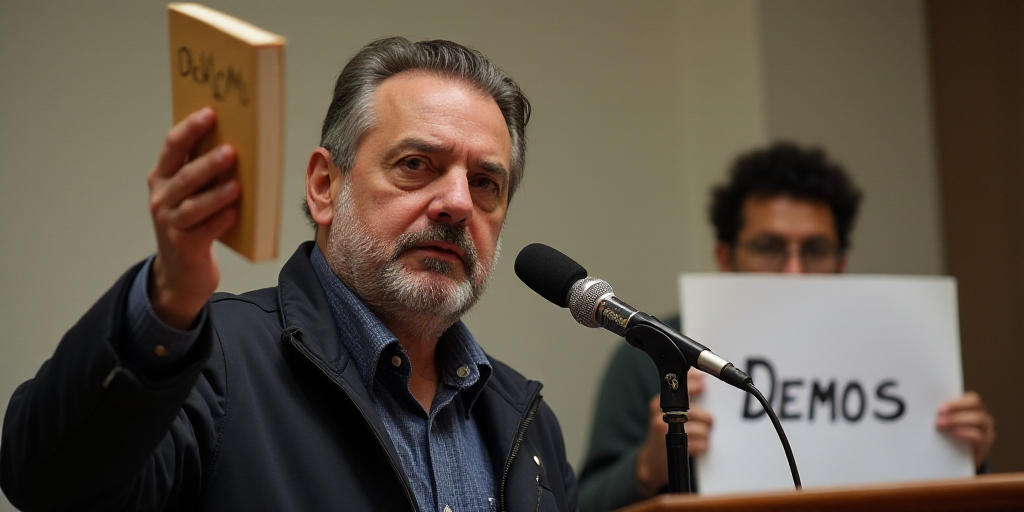
Daniel Matamala, a Chilean journalist currently in Mexico, has just released the book “Cómo destruir una democracia” (How to Destroy a Democracy) published by Editorial Planeta. In an interview with El Economista, Matamala discusses the alarming trend of populist leaders accumulating power and eroding democratic institutions.
The Rise of Populist Leaders and Their Impact
Matamala identifies five populist leaders—López Obrador, Bukele, Maduro, Milei, and Trump—who share a common trait: the concentration of power. These leaders have capitalized on public dissatisfaction with existing systems, particularly in regions facing severe challenges such as security issues in El Salvador and hyperinflation in Argentina.
- Populist leaders exploit public frustration by promising to solve problems outside established institutions.
- They convince their followers that concentrating power in their hands is the only solution.
- This approach undermines trust in traditional institutions, including science, academia, and the media.
Case Studies: López Obrador, Bukele, Maduro, Milei, and Trump
Matamala’s book examines each leader’s tactics and impact on their respective countries.
- López Obrador (AMLO): The author includes AMLO as a caudillo, highlighting his constant denunciation of electoral fraud and aggressive moral attacks against critics.
- Bukele: Despite the Salvadoran constitution prohibiting reelection, Bukele ran for a second term, reflecting a disregard for democratic norms.
- Maduro: The Venezuelan leader’s authoritarian rule has led to widespread human rights abuses and economic collapse.
- Milei: The Argentine politician’s rise coincides with growing discontent and a rejection of traditional institutions.
- Trump: Matamala analyzes how Trump’s rhetoric and actions in the United States contributed to democratic erosion.
The Erosion of Trust in Institutions
Populist leaders systematically discredit established institutions, including science, academia, and the media. By doing so, they position themselves as the sole purveyors of truth.
Matamala suggests that social media’s influence, even among highly educated populations like those in the United States, contributes to this erosion of trust. The result is a fragmented reality where individuals construct their own versions of truth, fueling polarization and undermining democratic discourse.
Key Questions and Answers
- Q: Who are the populist leaders analyzed in Daniel Matamala’s book? A: López Obrador, Bukele, Maduro, Milei, and Trump.
- Q: What common trait do these leaders share? A: They all concentrate power and erode democratic institutions.
- Q: How do populist leaders exploit public dissatisfaction? A: They promise to solve problems outside established institutions and convince followers that concentrating power in their hands is the only solution.
- Q: What impact does this trend have on democratic societies? A: It undermines trust in traditional institutions, contributes to polarization, and weakens democratic discourse.




