
FAO Reports Global Food Price Index at Highest Level in History
According to the Food and Agriculture Organization (FAO) of the United Nations, the global food price index stood at 128.8 points in September 2025, a slight decrease from August’s 129.7 points. Despite this moderation, the index remains 3.4% higher than September 2024, indicating that food costs remain elevated.
Key Commodity Price Trends
- Cereals: Prices fell by 0.6% from August and 7.5% compared to September 2024, driven by abundant harvests in Russia, Europe, and North America, as well as weaker international demand.
- Maize: Prices dropped due to high production in Brazil and the United States, along with Argentina’s temporary suspension of export taxes.
- Rice: Prices decreased by 0.5% due to lower demand from Africa and the Philippines, while barley and sorghum showed moderate increases.
Vegetable Oils: Minor Relief, but Still Expensive
The vegetable oil index experienced a monthly reduction of 0.7%, but it is still 18% higher than last year. Palm oil prices fell due to increased reserves in Malaysia, while soybean oil prices dropped because of higher availability from Argentina following the temporary tax suspension on exports. However, sunflower and canola oil prices rose due to supply shortages in Europe and the Black Sea region.
Dairy: Third Consecutive Monthly Decline
The dairy index averaged a 2.6% monthly decline, marking its third consecutive drop. All sub-indices fell: butter prices dropped 7%, powdered milk between 3% and 4%, and cheese saw only a slight adjustment. The decrease is attributed to increased seasonal availability of cream and lower demand for ice cream in the northern hemisphere, along with increased production in New Zealand.
Sugar: Cheapest in Over Four Years
The sugar index fell by 4.1% monthly and 21% compared to September 2024, reaching its lowest level since March 2021. The FAO attributes this to record production in Brazil, high milling volumes, and increased cane usage for sugar production. Good harvests in India and Thailand, driven by abundant monsoon rains and expanded cultivation areas, also played a role.
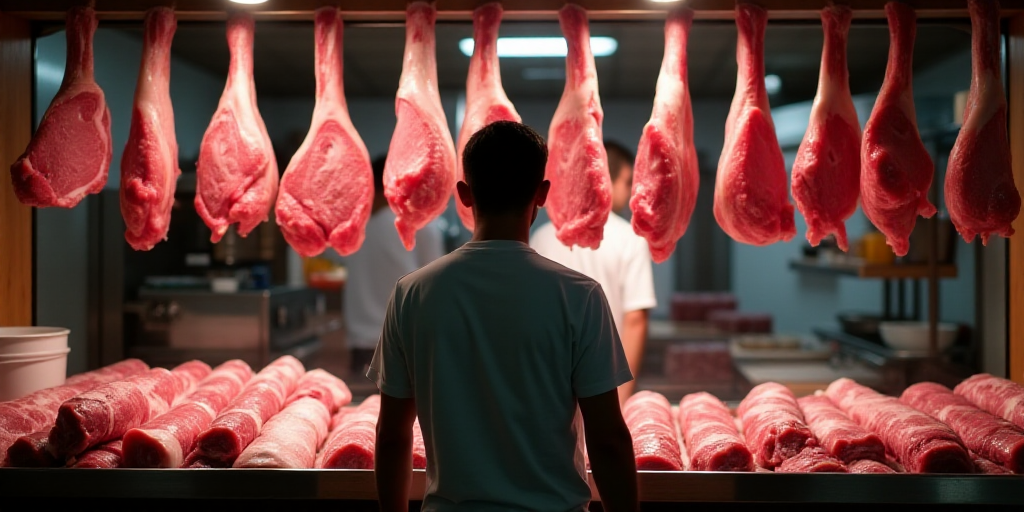
Meat: The Most Expensive Product in the World
The meat index rose by 0.7% from August and 6.6% compared to the previous year, setting another historical record. Beef and mutton led the increase due to strong demand in the United States and supply shortages in Oceania. Pork and poultry prices remained stable, though European exports were affected by tariffs imposed by China and localized avian flu outbreaks.
Impact on Mexico and Latin America
Although international prices have decreased on average, the reduction may take time to reflect in local markets. Factors such as exchange rates, logistics costs, and commercial intermediation could keep consumer prices elevated.
- Cereals and oils drop: This will partially alleviate production costs, while the meat price increase will continue to pressure regional food inflation in the coming months.
- Meat’s dominant role: Despite other commodities signaling relief, meat remains the primary driver of market trends and poses the greatest inflation risk for 2025.
- Implications for Mexico: This market behavior could translate to pressures on basic food baskets and higher costs for animal-derived products, despite international price declines.




