
Introduction
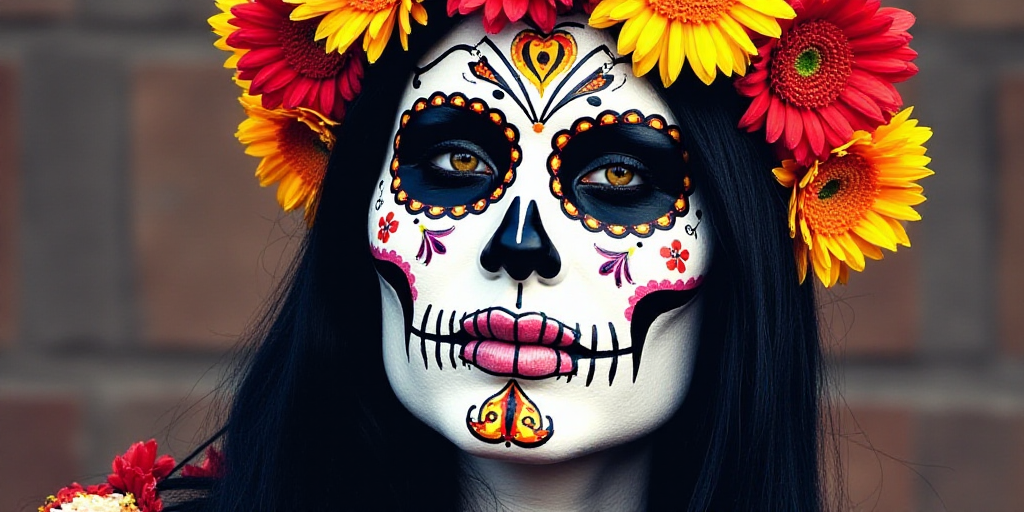
The Day of the Dead (Día de Muertos) in Mexico is a vibrant and diverse tradition, celebrated differently across various states and cities. This UNESCO-recognized Intangible Cultural Heritage of Humanity showcases the unique ways Mexicans honor their departed loved ones. From altars and vigils to parades and gastronomic displays, these celebrations put Mexico on the world map, highlighting its harmonious relationship with death.
Why Día de Muertos Matters
Día de Muertos is more than just a remembrance; it’s a celebration of life and the continuity of the soul. The tradition reflects Mexico’s rich cultural heritage, blending indigenous beliefs with Catholic influences. It’s a time for families to gather, share stories, and pay homage to their ancestors.
Regional Celebrations
Oaxaca
From October 26 to November 3, Oaxaca hosts nearly 140 cultural and gastronomic activities across the capital and its municipalities. Notable events include the “sand tapestry” in Jalatlaco, a facade decoration contest in the Historic Center, and a grand catrina parade with a disguise competition.
- Monumental altars and anima markets
- Concerts in indigenous languages
- Gastronomic exhibitions
Michoacán
In Janitzio, an island in Lake Pátzcuaro, Michoacán, the Day of the Dead is intertwined with Purépecha rituals. On the night of November 1-2, boats adorned with candles and flowers illuminate the lake, while traditional vigils and songs take place in cemeteries.
Key Features:
- Tall candles and cempasúchil flowers
- Small-town processions of altars
Jalisco
Guadalajara, Jalisco’s metropolitan area, will host an active program from October 24 to November 6. Events include monumental altars, a catrina parade through the Historic Center, nighttime legend tours, local artist presentations, workshops, and thematic markets.
Nuevo León
Monterrey will host Xantoluz 2025, the first Day of the Dead-themed amusement park in Nuevo León. Running from October 2 to November 2 at Parque España (Buenos Aires Colony), Xantoluz promises an immersive experience in tradition, art, light, and culture.
Campeche
On October 30, the traditional Mayan Hanal Pixán feast will take place on Calle 8 in the Historic Center, accompanied by over 50 altars, incense aromas, “pibipollo” bread, and candlelight transforming the street into a memory corridor.
The Pomuch community also prepares for the Festival Pomuch for the World, offering more than 30 free activities, including competitions, artisan workshops, theater, and the traditional “Choo Ba’ak” or bone cleaning, where families exhume, clean, and rebury their ancestors’ remains as an act of honor and renewal.
Guerrero
In the Costa Chica region of Guerrero, the emblematic “Dance of the Devils” takes place. This Afro-Mexican expression features masks, rhythm, and footwork, attracting visitors with its cultural authenticity each year.
Key Questions and Answers
- What is Día de Muertos? Día de Muertos is a Mexican tradition celebrating life and honoring deceased loved ones, blending indigenous beliefs with Catholic influences.
- Why is Día de Muertos significant? This celebration highlights Mexico’s rich cultural heritage, showcasing unique ways to commemorate ancestors and fostering family bonds.
- How do different regions celebrate Día de Muertos? Each region has its distinct customs, such as Oaxaca’s sand tapestries, Michoacán’s lake rituals, Jalisco’s parades, Nuevo León’s amusement park, Campeche’s Mayan feasts, and Guerrero’s Afro-Mexican dance.




