
Understanding the Day of the Dead
The Day of the Dead, or Día de Muertos, is an annual celebration in Mexico honoring deceased loved ones. This vibrant and colorful tradition transcends the afterlife, bringing together all those who have passed away, regardless of their past lives as saints or sinners. The festivities welcome the infamous and famous, strangers and kin, those who yearn to return or those we wish could come back. Everyone is invited to the celebration, as we prepare to honor them.
Origins and Evolution
The roots of the Day of the Dead can be traced back to pre-Hispanic times, far removed from Halloween’s modern-day associations with witches and ghosts. Instead, this Mexican tradition reflects a deep respect for ancestors and the understanding that death is not an end but a continuation of life.
Halloween, originating from ancient Celtic festivals, marked the end of the harvest season and the beginning of winter. The Celts believed that the boundary between the living and the dead dissolved, allowing spirits to roam freely. To appease these spirits and ensure prosperity, they would light bonfires and prepare offerings. Over time, these pagan practices were absorbed into Christian traditions, eventually evolving into what we now recognize as Halloween.
The Significance of Day of the Dead
For Mexicans, celebrating the dead does not mean forgetting the living or adopting a melancholic mood. Instead, it serves as a reminder that life continues beyond death and acknowledges the long-standing tradition and cultural fusion that shape this unique celebration.
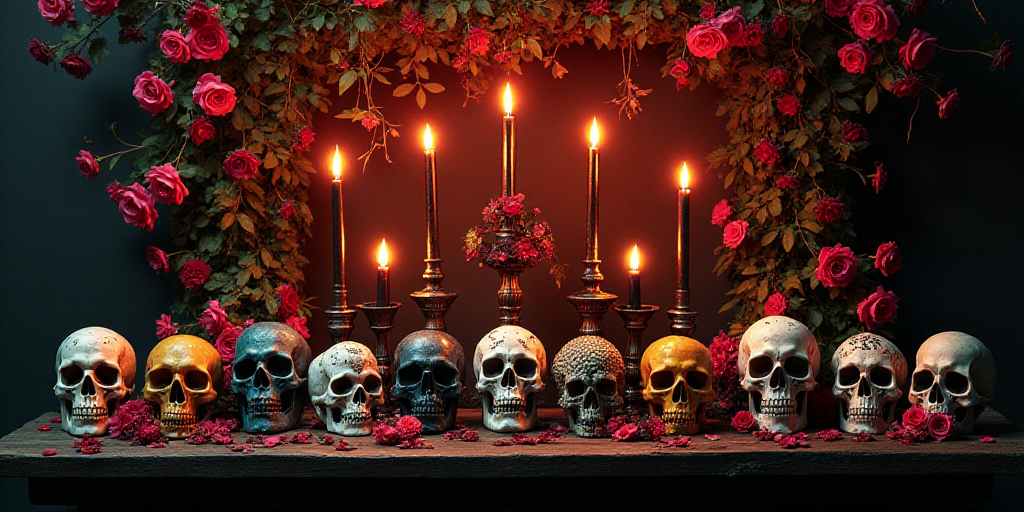
During the Day of the Dead, we create altars and offerings for our deceased loved ones, adorning them with their favorite items within a space representing the four elements: Earth (symbolized by fruit), Air (represented by paper cutouts called “papel picado”), Water (to quench the thirst of traveling souls), and Fire (with lit candles symbolizing each remembered spirit).
Some enthusiasts may even incorporate salt for purification, copal to guide spirits through scent, and marigold flowers (cempasúchil) to mark the path from their homes to the altars, ensuring the spirits find their way.
Embracing the Day of the Dead
As the Day of the Dead approaches in November, it’s essential to remember both those who have passed away and those still with us. Life’s unpredictability reminds us to cherish every moment, celebrate, share memories, and express gratitude. For death, though inevitable, has granted us two days of joy and a lifetime of advantage.
Key Questions and Answers
- What is the Day of the Dead? The Day of the Dead, or Día de Muertos, is an annual Mexican celebration honoring deceased loved ones.
- When did the Day of the Dead originate? Its roots trace back to pre-Hispanic times, distinct from modern-day Halloween.
- How does the Day of the Dead differ from Halloween? While Halloween has pagan origins that were later absorbed into Christian traditions, the Day of the Dead is a distinctly Mexican celebration focusing on remembrance and honoring the deceased.
- What are the key elements of a Day of the Dead altar? Altars typically include offerings representing the four elements: Earth (fruit), Air (papel picado), Water, and Fire (candles).
- Why is the Day of the Dead important? This celebration reinforces the belief that death is not an end, encouraging appreciation for life and remembrance of loved ones who have passed.




