
Background on Royal Caribbean and its Mexican Project
Royal Caribbean, a prominent American cruise line company, has recently announced its administration of the Wayak Community Center in Mahahual, Quintana Roo. This move aims to bolster social validation for their ambitious $100 million project in southern Quintana Roo.
The Wayak Community Center and Royal Caribbean’s Shared Goals
According to the company, both the center and Royal Caribbean share the objective of enhancing the space for Mahahual’s residents by 2026. Plans include relocating the center to a larger, more accessible location and engaging the community in shaping its future. This will be initiated through a community voting process to name the new center.
Addressing Concerns and Expanding Initiatives
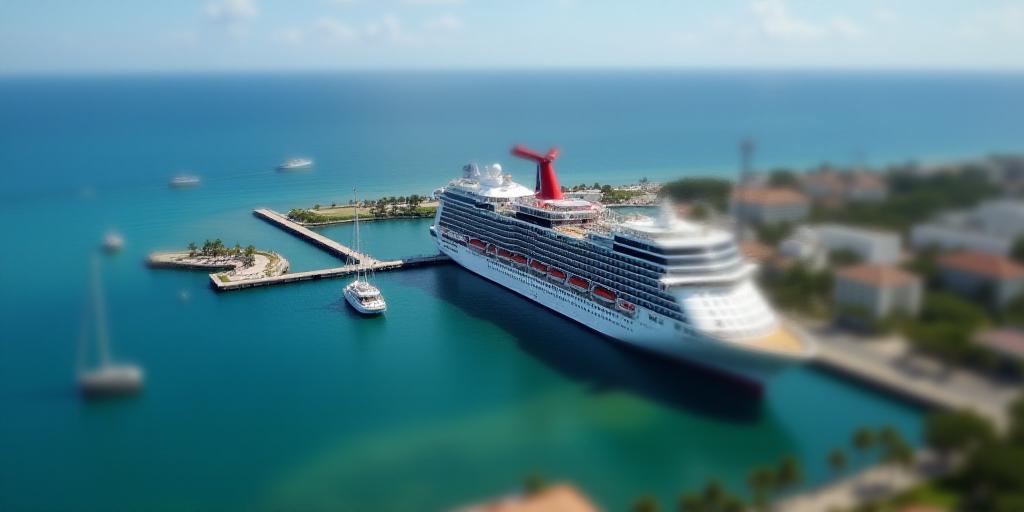
By taking on this initiative, Royal Caribbean seeks to counteract concerns about the environmental and cultural impact of their massive Perfect Day Mexico project. This development, located in the Gran Costa Maya port in southern Quintana Roo—also owned by Royal Caribbean—will cater exclusively to cruise passengers. It will mirror the amenities offered at Perfect Day CocoCay, a private island in the Bahamas, including water slides, international restaurants, infinity pools, and adult-exclusive areas.
In addition to managing the Mahahual Community Center, Royal Caribbean has pledged to collaborate with the Universidad de Quintana Roo to build a hospitality and training center. This will increase local employment and professional growth opportunities. They also plan to construct residential spaces for up to 2,000 employees and establish a new commercial village for port vendors, an improved transportation center, and a public grocery store.
Land Acquisition and Opposition
Royal Caribbean controls 90 hectares of land in Quintana Roo, with 45 hectares being mangrove areas. Following the project announcement in late 2024, opposition groups have emerged, claiming that the development threatens biodiversity, local communities’ rights, and the ecological balance of this southeastern Mexican coastal region.
- Biodiversity Concerns: Opponents argue that the project endangers marine access rights, beach usage, mangrove preservation, local identity, traditional ways of life, and unique, threatened ecosystems housing species like sea turtles, manatees, mangroves, and the second-largest coral reef in the world.




