
Background on Marcelo Ebrard and his Role
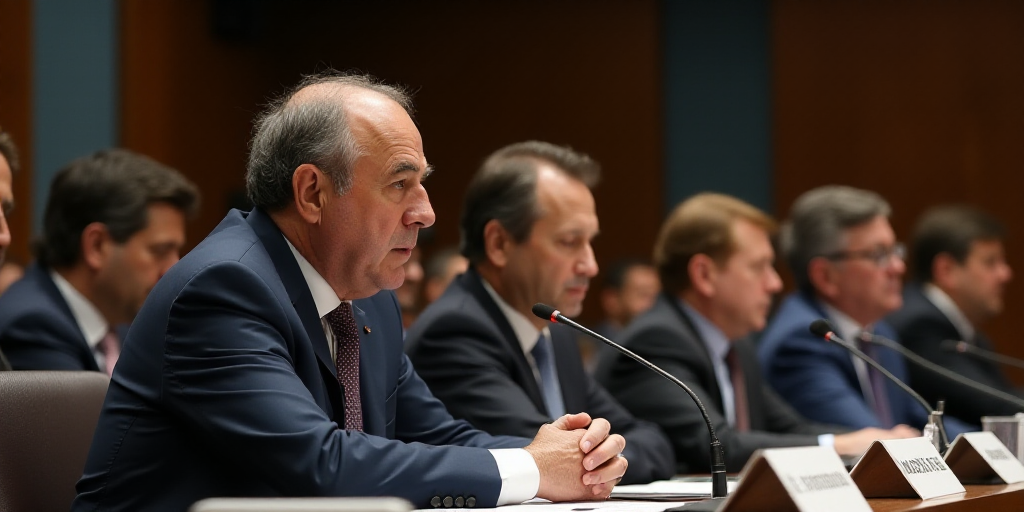
Marcelo Ebrard, Mexico’s Secretary of Economy, has recently indicated the potential for adding new chapters to the United States-Mexico-Canada Agreement (USMCA). This statement was made during the Regional Consultation of the USMCA: Chapter Mexico City.
Ebrard’s Stance on Perfecting the USMCA
Ebrard emphasized that the intention is not to extensively revise or add chapters to the USMCA. Instead, he aims to perfect and improve the agreement to be more favorable for Mexico while minimizing changes. He stated, “We are not looking to review it or add chapters, except where it is indispensable.”
Timeline for Setting Limits on Offers and Requests
Ebrard explained that, in consultation with the Mexican Senate, the federal government will establish limits on offers and requests for the USMCA negotiation by January. He mentioned, “By January, we need to present a document to the President and send it to the Senate outlining what Mexico wants to achieve, how we will do it, and the boundaries of this negotiation. Otherwise, the consultation would lack purpose.”
USMCA Overview and Review Process
The USMCA came into effect on July 1, 2020, with an initial validity period of 16 years until 2036. The agreement will be reviewed every six years. If consensus is not reached, the treaty remains active until its expiration in 2036. If all parties agree to continue, the USMCA remains valid for another 16 years. Annual joint reviews will occur if any party does not confirm their desire to extend the agreement’s term for another 16-year period.
- The USMCA consists of 34 chapters and 12 parallel letters, retaining most market opening measures from the North American Free Trade Agreement (NAFTA) while introducing significant changes in automotive origin rules, dispute resolution provisions, public procurement, investment, and intellectual property rights protection.
- The agreement spans 1,030 pages, excluding appendices, annexes, and complementary letters.
Consultation Process Across Mexico
Ebrard reported that the Mexico City consultation is the eighteenth, leaving only four more consultations needed to cover all 32 Mexican entities.
He highlighted various contributions received, including concerns about the compatibility of tariffs imposed by the US under Section 232 with a free trade agreement, disadvantages faced by the US and Mexican agricultural sectors due to subsidies, and the labor dispute resolution mechanism that applies only to Mexico, not the US.




