
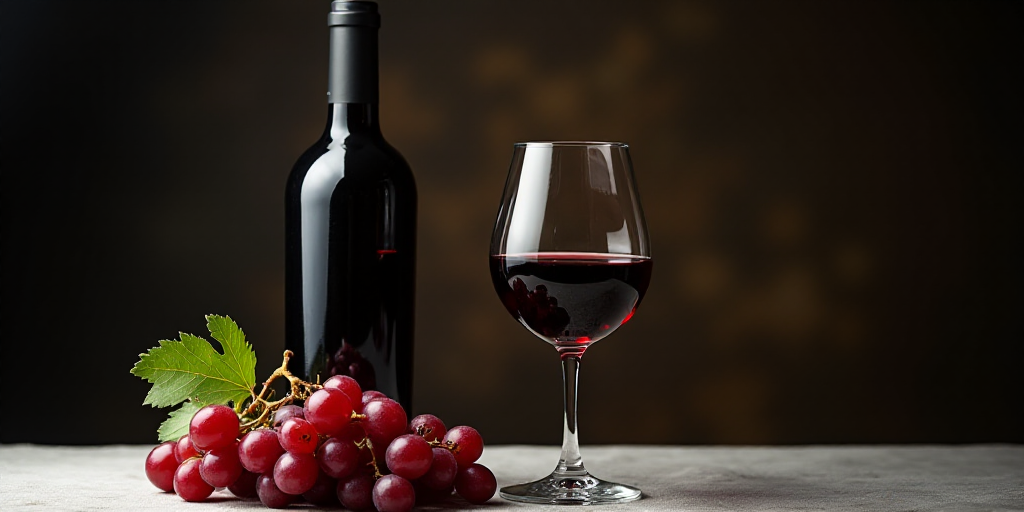
About Merlot: A Beloved Grape Variety
Merlot, one of the most recognized and cherished grape varieties in the world, celebrates its essence on November 7, International Merlot Day. This versatile and empathetic wine has the unique ability to appeal to a wide range of palates, making it an ideal choice for both casual gatherings and formal dinners.
Origins and History
Hailing from the right bank of Bordeaux, France, Merlot’s roots are deeply embedded in the lush vineyards of Pomerol and Saint-Émilion. The name “Merlot” originates from the blackbird (merle), a bird known for devouring ripe grapes, symbolizing its intense and attractive color. The first recorded mention of this grape dates back to 1784, under the name Merlau. Since then, Merlot has graced some of the most prestigious wine bottles from Bordeaux’s châteaux to Tuscany’s super-Tuscans.
Merlot’s Global Reach and Versatility
Today, Merlot is cultivated across nearly all continents and is considered the second most planted grape variety globally, with approximately 266,000 hectares. While France remains its birthplace, regions like Chile, California, Australia, Italy, and Romania have developed unique styles that expand Merlot’s sensory universe.
Merlot’s adaptability shines through its textured, velvety mouthfeel, soft tannins, and aromas of black cherry, ripe plum, dark chocolate, dried herbs, and tobacco. In cooler climates, it exhibits elegance and herbaceous notes; in warmer regions, it displays a more voluptuous character with hints of jam and chocolate. In essence, Merlot is a versatile and empathetic wine that speaks to all languages of taste.
Merlot in Mexico
Mexico has witnessed a steady growth in Merlot cultivation over the past decade. With 9,477 hectares of vineyards spread across 17 states—Baja California, Querétaro, and Coahuila standing out for their fine tinto production—Mexico’s wine consumption has consistently risen, averaging 1.2 to 1.5 liters per capita.
Despite a 10.1% volume and 1.4% value decline in imports during the first half of 2025, Merlot’s average price increased by 9.8%, reflecting a trend toward more selective consumption. Today, Mexicans opt for fewer but higher-quality bottles, and Merlot remains a preferred choice among French-inspired red wines.
Merlot’s Harmony with Mexican Cuisine
Restaurateurs and sommeliers agree that Merlot seamlessly integrates into Mexican dining. Its softness complements arrachera tacos, Bolognese pasta, red meats, mole enchiladas, and roasted poultry. Merlot’s adaptability extends to contemporary pairings like gourmet burgers and mushroom-based dishes, making it a natural ally to Mexico’s spicy and rich flavors.
Merlot’s Resilience Amidst Challenges
Amid global wine production declines due to climate change and inflation, Merlot remains steadfast. Its success lies in its dual nature: sophisticated yet approachable, accessible yet profound. On November 7, the world raises a glass to celebrate Merlot, embodying a philosophy of fearless enjoyment and unpretentious pleasure.
Merlot as a Gateway to Wine Culture in Mexico
In a country where wine still vies for space against beer and spirits, Merlot represents the most amiable path to enological culture. As a bridge between European tradition and Mexican warmth, Merlot continues to gain admirers in wine cellars, restaurants, and dining tables alike.
Key Questions and Answers
- What is International Merlot Day? Celebrated annually on November 7, it honors the Merlot grape variety and its philosophy of uninhibited enjoyment.
- Where does Merlot originate? It hails from the right bank of Bordeaux, France, in the vineyards of Pomerol and Saint-Émilion.
- Why is Merlot popular worldwide? Its versatility, soft tannins, and adaptable flavors make it appealing to a broad range of palates.
- How does Merlot fit into Mexican cuisine? Its softness complements spicy, rich dishes like arrachera tacos and mole enchiladas.
- What challenges does the wine industry face? Climate change and inflation have led to global production declines, but Merlot remains resilient.




