
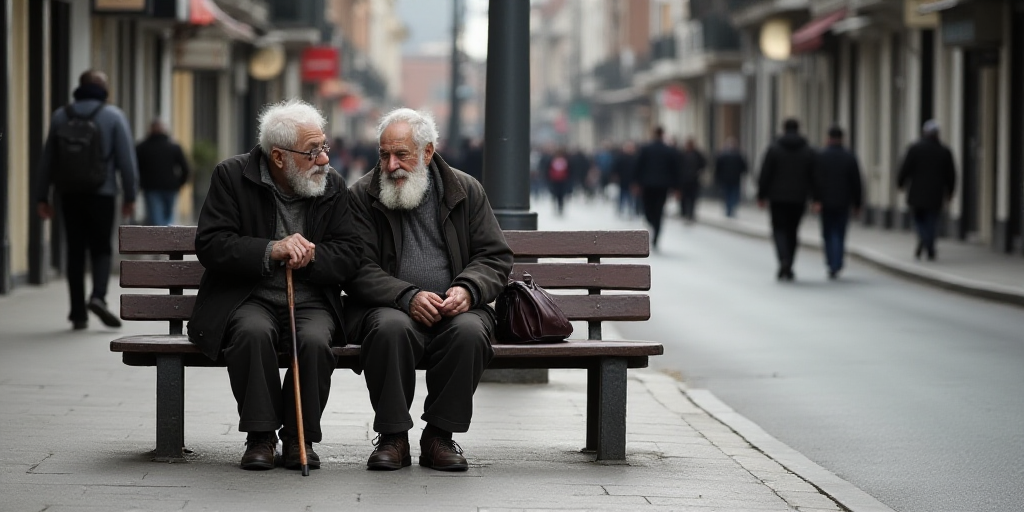
Rapidly Aging Population and Economic Vulnerability
Mexico is facing an unprecedented aging population, with over 17 million people aged 60 and above. This demographic shift poses significant challenges, particularly concerning economic security in old age, as highlighted by Verónica Montes de Oca Zavala, a scholar at the Seminar Universitario Interdisciplinario sobre Envejecimiento y Vejez of the UNAM.
Currently, approximately 12.8% of Mexico’s population consists of individuals aged 60 or more, and this group is growing steadily for the first time in the nation’s history. By 2030, this proportion is expected to reach 20% in the Greater Mexico City area and the State of Mexico, transforming the demographic structure and demanding new responses from the state and society.
Privatized Pensions and At-Risk Savings
One of the most critical aspects of aging in Mexico is ensuring economic security during retirement. Montes de Oca explained that the pension system was transferred to the private sector, placing workers’ savings in the hands of financial companies that charge commissions and speculate with these resources.
This model exposes older adults to an uncertain old age, with insufficient or market-dependent income, exacerbating social inequality and making their economic well-being after retirement more fragile.
For those who could not save during their working years or worked in the informal sector, the situation is even more precarious. Their support comes from non-contributory pensions or family, highlighting the absence of a solid and universal protection system.
More Elderly with Less Security
Montes de Oca also emphasized that this is a historic moment when multiple generations coexist simultaneously, opening opportunities for exchange but also revealing gaps between those who retire with pensions, social security, or assets and those facing conditions of precarity.
Aging not only impacts the healthcare system but also family economics, housing, work organization, and care. Without ensuring a dignified life after retirement, aging can become an issue of exclusion rather than rights.
Experts agree that it is urgent to review the pension model and the state’s role. The challenges include:
- Rethinking the retirement savings system: Better regulate private administrators and ensure pensions provide a living standard, not just survival.
- Protecting those who did not contribute or contributed intermittently: Prevent old age from turning into poverty.
- Cultivating a dignified aging culture: Consider health, autonomy, care, and financial security.
Key Questions and Answers
- What is the main challenge Mexico faces with its aging population? Ensuring economic security and dignified living conditions for the growing number of older adults, especially considering privatized pensions and financial speculation.
- How does the privatized pension system affect older adults? It exposes them to uncertain old age with insufficient or market-dependent income, exacerbating social inequality and making their economic well-being after retirement more fragile.
- What are the proposed solutions to address these challenges? Rethinking the retirement savings system, protecting those who did not contribute or contributed intermittently, and cultivating a dignified aging culture that considers health, autonomy, care, and financial security.




