
Background and Relevance
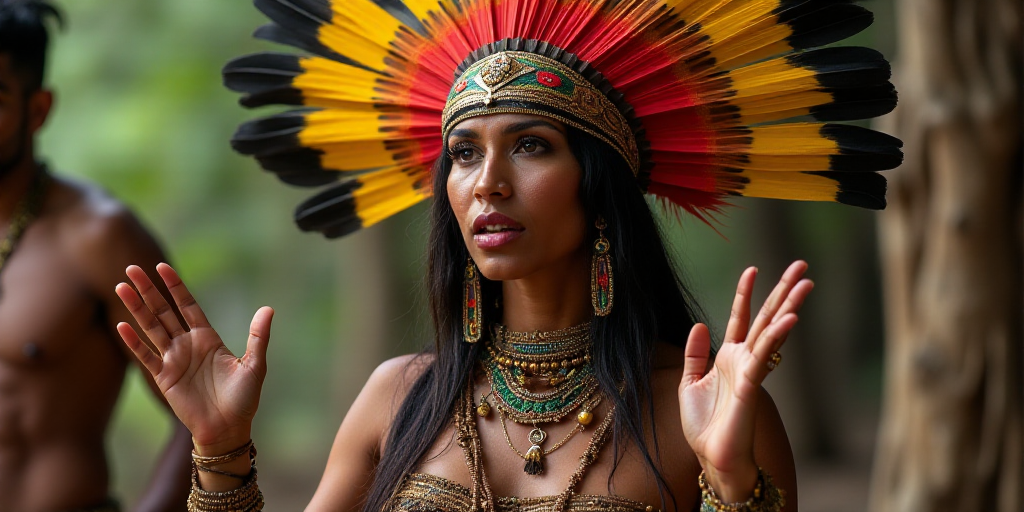
Sonia Guajajara, Brazil’s Minister of Indigenous Affairs and a member of the Guajajara-Tenetehara ethnic group, is set to play a pivotal role in COP30, the United Nations climate conference taking place in the Amazon rainforest. As the first indigenous person to hold this position under President Luiz Inácio Lula da Silva’s left-wing administration, Guajajara emphasizes the critical importance of indigenous peoples in shaping humanity’s future.
Anticipated Highlights and Challenges
- Best COP for Indigenous Participation: Guajajara anticipates that COP30 will be the most inclusive conference for indigenous peoples, with their active involvement.
- Racism and Land Rights: Despite her optimism, Guajajara denounces ongoing racism and legal obstacles that hinder the recognition of indigenous lands.
- Indigenous Contributions to Climate Balance: She highlights the vital role indigenous peoples play in preserving water, biodiversity, and the environment, which are essential for human survival.
Key Questions and Answers
- Q: Will COP30, held for the first time in the Amazon, increase public understanding of indigenous peoples?
- A: There is significant ignorance and prevalent racism towards indigenous peoples in society. COP30 can contribute to a better understanding of their crucial role, especially in climate balance.
- Q: How has indigenous representation evolved in climate discussions?
- A: Indigenous representation has improved since Guajajara’s first COP in 2009. While still not protagonistic, recent developments show progress, with leaders acknowledging the importance of indigenous voices and their need for funding and territory protection.
- Q: What impact does climate change have on indigenous peoples?
- A: Climate change affects indigenous peoples through extreme weather events like floods and droughts, which directly impact their daily lives. As environmental stewards, they are often the first to experience and suffer from these changes.
- Q: How does the Brazilian government respond to criticism regarding slow progress in land demarcation for indigenous peoples?
- A: The government acknowledges the slow pace of land demarcation but faces legal obstacles, including a controversial law passed by Congress. They are working to find solutions while respecting the legal framework.
Brazil, home to 1.7 million indigenous people from 391 ethnic groups speaking 295 languages, recognizes the importance of indigenous participation in climate discussions. Guajajara’s efforts aim to ensure their voices are heard and valued, as they hold the key to a sustainable future for humanity.




