
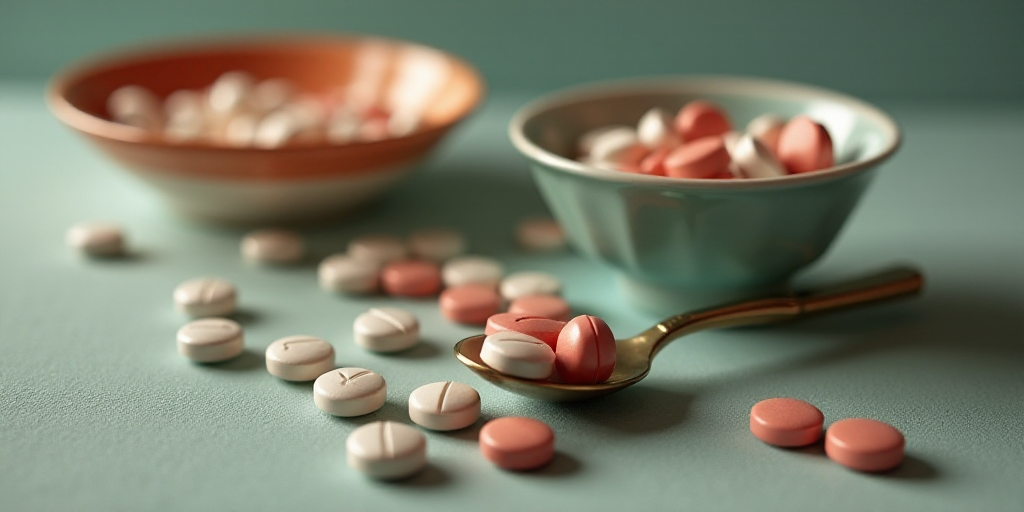
From Miracle Cures to Modern Nutrition: The Evolution of the Wellness Market
For years, the wellness market has been a blend of faith and science. Promises of miracle products, from curing insomnia to reversing baldness, have dominated Mexican television late at night amid infomercials and dubious promotions. Today, while the scenario has changed, the dilemma persists with the rise of nutritional supplements ranging from vitamins and collagen to plant extracts and “natural energy” capsules, reshaping the health consumption landscape.
A Growing Industry: Mexico’s Nutritional Supplement Market
In Mexico, the nutritional supplement market was valued at 59,000 million pesos in 2024 and is projected to reach 90,000 million pesos by 2028, with a combined growth of 45%. Behind these figures lies a battle: informed consumption versus the emotional sale of wellness.
“They Complement, Not Cure”: The Industry’s Perspective
Juan Pablo Fueyo Gutiérrez, the Secretary of the National Association of Nutritional Supplement Industry (ANAISA), explains, “A nutritional supplement does not aim to cure or rehabilitate; its purpose is to complement one’s diet.” He spoke with Bistronomie about the new legislative proposal to update the regulatory framework of the sector.
According to Fueyo, the current definition dates back to 1997 when the industry was still in its infancy. “In almost three decades, research and development have changed radically,” he emphasizes. “It’s necessary to modernize the concept to align it with international practices and the reality of the Mexican market.”
Senator Armando Ayala Robles’ Reform Proposal
Senator Armando Ayala Robles has introduced a reform bill in the Senate of the Republic, which ANAISA supports. “The senator is a consumer of nutritional supplements and understood something that many ignore: the lack of information opens the door to deceptive products,” Fueyo states. “This reform is an opportunity to organize the market and protect consumers.”
Modern Diet Amidst Haste and Nutritional Deficits
Fueyo’s conversation with Bistronomie goes beyond technicalities and the core problem; it addresses cultural and economic aspects. “In a country where eating well is not always straightforward—due to cost, accessibility, or lifestyle—nutritional supplements fill those gaps,” he notes.
Despite growing consumption of ultra-processed foods in Mexico, fruit, vegetable, and legume intake remains below FAO recommendations. Amidst traffic, long work hours, and the cost of a balanced diet, nutritional supplements have become a “modern shortcut” to wellness.
But This Shortcut Doesn’t Replace Real Food
“A supplement does not replace food culture,” Fueyo insists. “It helps, but it doesn’t cook. It doesn’t ferment, nor does it smell like corn or squash. That’s where the line between nutrition and gastronomy lies,” he firmly states.
The Proposed Change: Recognizing Physiological Effects
The proposed discussion in the Senate—currently in the Health Commission—introduces a fundamental change: recognizing the physiological effects of nutritional supplement ingredients.
This means manufacturers can regulatedly communicate proven benefits of nutrients in their products, always under COFEPRIS supervision.
Previously, regulations only allowed generic phrases like “complements the diet.” With the new wording, it will be possible to state, for example, that vitamin C strengthens the immune system if there’s scientific evidence and health authorization.
Transparency and Consumer Education
For Fueyo, this is a step towards transparency and consumer education: “People have the right to know what they’re consuming, why they need it, and what effects to expect.”
Advertising and the New Language of Wellness
In an era of social media, nutritional supplement advertising is another battlefront. Influencers, content creators, and public figures recommend products naturally, often without disclosing payment, medical backing, or COFEPRIS authorization.
Responsible Advertising vs. Prohibition
“We acknowledge that social media is today’s most powerful yet risky medium,” Fueyo points out. “Every company must comply with the General Health Law on advertising and Profeco’s Influencer Guide.”
The formal industry doesn’t seek to prohibit advertising but make it responsible. “The best advertising educates,” Fueyo asserts. “If a supplement contains iron, calcium, or zinc, consumers should know. They also need to understand that supplements don’t cure anything; they only help maintain a balanced diet.”
Myths of the Market: Resveratrol and Collagen
When asked about the most misleading products, Fueyo is clear: “There’s no official catalog because they appear and disappear. However, they usually promise weight loss, liver cleansing, or improved prostate health. There was even a product, resveratrol, advertised as a cancer cure. We must avoid such claims.”
On the other hand, brands that comply with regulations, research, and produce under health control stand out. “If a product is on a supermarket shelf with a full label, we can assume it complies with the norm,” Fueyo explains. “The risks lie online, where anyone can set up a website and sell capsules in 20 minutes.”
What’s Next: Taxes, Regulation, and Awareness
The industry already pays VAT and IEPS. Starting next year, products with non-caloric sweeteners will also be subject to a new tax as part of the 2026 economic package, aiming to increase revenue from processed goods.
“We comply with all established rules,” Fueyo emphasizes. “What we request is clarity and a framework that recognizes the value of the formal industry.”
Eat, Nourish, Understand
The nutritional supplement debate is not just technical; it’s cultural. In a country celebrating its gastronomy as humanity’s heritage but where over 70% of adults live with excess weight, the conversation about how we eat becomes urgent.
Between mole and capsules, amaranth and protein powder, lies a story of habits, myths, and aspirations that define contemporary Mexico.
If approved, the new regulation could mark a turning point: making nutritional supplements move from vague promises wrapped in labels to an integral part of a broader conversation about health, nutrition, and responsibility.
“The crucial aspect,” Fueyo concludes, “is that consumers know what they’re eating, buying, and expecting. Eating well is culture, but it’s also knowledge.”




