
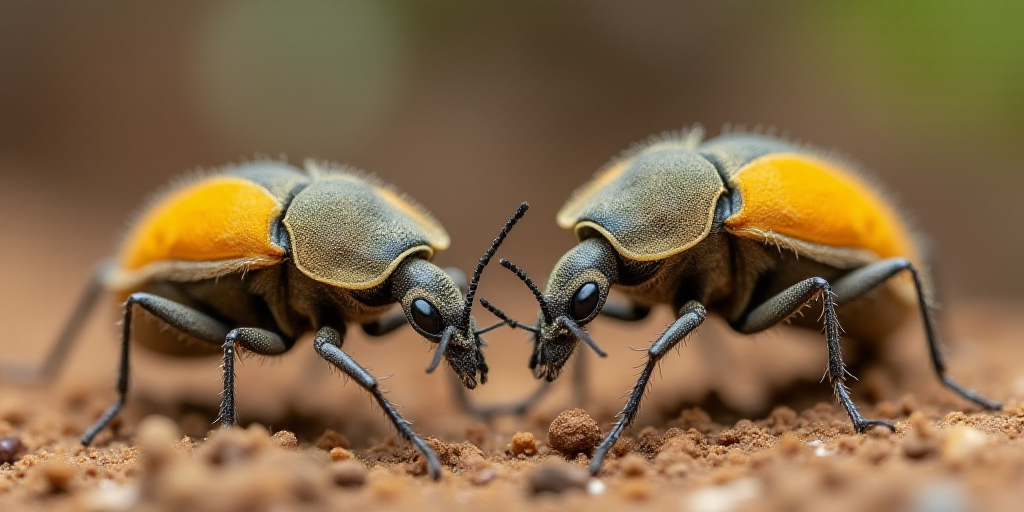
Background on the Barber Pole Worm and its Impact
The barber pole worm, scientifically known as Haemonchus contortus, is a parasitic nematode that infects the small intestine of sheep and goats. This parasite can cause significant damage to livestock, leading to weight loss, anemia, and even death if left untreated. The worm’s life cycle involves sheep or goats as definitive hosts and various grazing areas as intermediate hosts. The worm’s larvae are ingested by the animals while grazing, and once inside the host, they mature and reproduce, releasing eggs that are excreted in the feces. These eggs then hatch into larvae, contaminating pastures and continuing the cycle.
ASICA’s Proactive Measures in Jalisco
Armando César López Amador, the General Director of the Agencia de Sanidad, Inocuidad y Calidad Agroalimentaria (ASICA) in Jalisco, confirmed that the state’s cattle ranches remain free of the barber pole worm. This came after a suspected case was detected during routine inspections at a control corral in the municipality of Encarnación de Díaz. The infected animal was from Candelaria, Campeche, a region classified as affected by the barber pole worm according to the Servicio Nacional de Sanidad, Inocuidad y Calidad Agroalimentaria (Senasica).
Early Detection and Rapid Response
Upon detecting the larvae in the suspected animal, ASICA immediately activated biosecurity protocols. The infected animal was isolated, samples were collected for confirmation in federal laboratories, and a 40-kilometer sanitary cordon was established around the detection point. A thorough sweep was conducted to rule out any possible dispersion of the parasite.
The effectiveness of Jalisco’s state inspection system, particularly the work of canine detection teams trained to identify barber pole worms, was highlighted. One such dog, named Hummer, played a crucial role in detecting the case. López Amador emphasized that this situation demonstrates the success of early detection, immediate response, and coordination with federal authorities.
Maintaining Status as a Barber Pole Worm-Free State
Despite the federal record indicating barber pole worm presence in Jalisco, López Amador clarified that the state’s status remains as barber pole worm-free. He explained that while the federal government reports this detection to the World Organisation for Animal Health (OIE), Jalisco’s unique situation should be clarified.
Ongoing Efforts and Recommendations
ASICA is currently training five new canine pairs to bolster ganado inspections at strategic points. López Amador stressed that inspection teams operate 24/7, meticulously examining all animals entering the state, especially bovines, which are at higher risk.
He urged livestock producers to maintain preventive measures, such as promptly addressing animal injuries, as “without wounds, there is no barber pole worm infestation.” Additionally, López Amador reassured consumers that the barber pole worm does not affect meat intended for human consumption, posing no sanitary risk.
Key Questions and Answers
- What is the barber pole worm, and why is it a concern for livestock? The barber pole worm (Haemonchus contortus) is a parasitic nematode that infects the small intestine of sheep and goats, causing significant damage and potentially leading to death if left untreated.
- How did Jalisco remain free of the barber pole worm? Through proactive measures, including rigorous inspections at control corrals and the use of canine detection teams. Early detection and rapid response to the suspected case from Campeche helped prevent the worm’s establishment in Jalisco.
- What actions were taken upon detecting the infected animal? Biosecurity protocols were activated, including isolating the animal, collecting samples for confirmation in federal laboratories, and establishing a sanitary cordon around the detection point. A thorough sweep was conducted to rule out any possible dispersion of the parasite.
- What is Jalisco’s current status regarding the barber pole worm? Despite a federal record indicating barber pole worm presence, Jalisco maintains its status as barber pole worm-free. The unique situation should be clarified in international reports.
- What preventive measures should livestock producers take? Promptly address animal injuries, as wounds can serve as entry points for the barber pole worm. Maintain good hygiene and sanitation practices on ranches to minimize risks.
- Is there a sanitary risk for consumers? No, the barber pole worm does not affect meat intended for human consumption, so there is no sanitary risk for consumers.




