
Background on Key Figures and Relevance
The United States Department of Transportation (DOT) and the Federal Aviation Administration (FAA) are crucial agencies responsible for ensuring the safety and efficiency of the nation’s air travel system. As the government shutdown nears its end, these organizations have announced a freeze on flight reductions.
FAA Administrator Bryan Bedford and Transportation Secretary Sean Duffy are central figures in this situation. Their decisions directly impact air travel across the country, affecting millions of passengers and airlines.
Flight Cuts Freezed at 6%
Originally, the FAA planned to increase flight reductions by 10% this coming Friday. However, as the government shutdown concludes and furloughed air traffic controllers receive their backpay, the DOT and FAA have decided to maintain the cuts at 6%.
“As the federal government reopens and controllers receive their overdue payments, the FAA will continue to monitor staffing levels and review key trends,” according to a joint statement.
Timeline of Flight Reductions
- Previous Friday: 4% reduction in flights at the 40 busiest airports
- Current situation: 6% reduction, as controller staffing improves rapidly
- Upcoming November 14: Previously planned 10% reduction, contingent on staffing levels
Improving Controller Staffing and Safety
FAA Administrator Bryan Bedford highlighted that controller staffing is quickly recovering, allowing for the 6% flight reduction while maintaining high safety standards in the national airspace.
“We will continue to monitor system performance hour by hour and won’t hesitate to make further adjustments if necessary,” Bedford added.
Transportation Secretary Sean Duffy emphasized President Trump’s message that controllers will return swiftly to work. He also assured that, should safety improve as determined by the FAA, a plan will be presented to restore normal operations.
Impact of Government Shutdown and Flight Cuts
Since the shutdown began on October 1, air traffic controllers have been working without pay, leading to staff shortages at control facilities nationwide. Both the DOT and FAA have expressed concern over increased tension reports from pilots and controllers alike.
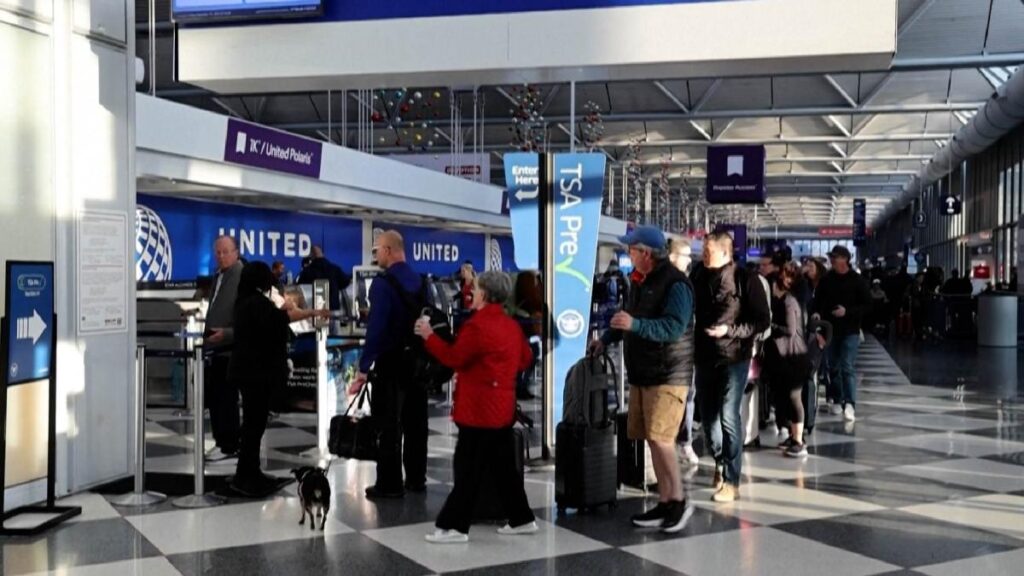
Moreover, the combination of staffing issues, inclement weather, and EU-imposed flight reductions has resulted in widespread cancellations and delays, particularly affecting major airports like New York’s (JFK), Chicago, and Boston.
Delta Air Lines CEO Ed Bastian acknowledged the financial impact of these cuts, stating that over 2,000 flights have been canceled—an unrecoverable number within a single quarter.
Key Questions and Answers
- What was the initial plan for flight reductions? The FAA initially planned to increase flight reductions by 10% this coming Friday.
- Why were flight reductions frozen at 6%? The DOT and FAA froze the cuts at 6% due to improving controller staffing levels and maintaining high safety standards.
- How have flight reductions affected major airports? Flight reductions have led to widespread cancellations and delays, particularly impacting New York (JFK), Chicago, and Boston airports.
- What is the financial impact on airlines like Delta? Over 2,000 flight cancellations have negatively affected Delta Air Lines’ financial performance, with recovery within a single quarter being impossible.




