
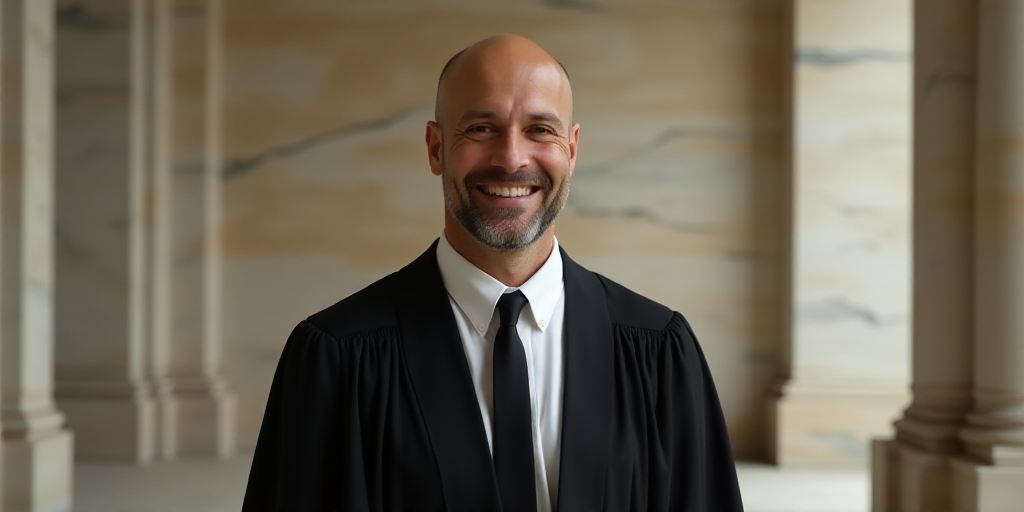
Background on Alexandre de Moraes
Alexandre de Moraes is a prominent figure in Brazil’s judicial system, serving as a justice on the country’s Supreme Federal Court (STF) since 2016. He has been a central figure in several high-profile cases, including those involving political corruption and freedom of speech. His decisions have often sparked controversy, making him a polarizing figure in Brazilian politics.
EU Sanctions and Subsequent Lifting
In July, the European Union imposed sanctions on Moraes due to concerns over human rights violations in Brazil. The EU’s decision was influenced by Moraaes’ handling of cases related to freedom of expression and political opposition. Washington followed suit, adding Moraes’ wife, Viviane Barci de Moraes, to the sanctions list a few months later.
Relevance of the EU’s Decision
The EU’s decision to lift sanctions on Moraes signifies a shift in their approach towards Brazil. This move aims to improve diplomatic relations between the EU and Brazil, focusing on dialogue and cooperation rather than punitive measures. The lifting of sanctions also indicates that the EU acknowledges Brazil’s commitment to addressing human rights concerns.
Impact on Brazilian Politics
Moraes’ sanctions and their subsequent lifting have had significant implications for Brazilian politics. His controversial decisions and the EU’s response have fueled debates on human rights, freedom of speech, and political opposition in Brazil. The lifting of sanctions may encourage more constructive dialogue between the Brazilian government and its critics, potentially leading to a more balanced approach in addressing these critical issues.
Key Questions and Answers
- Who is Alexandre de Moraes? Alexandre de Moraes is a justice on Brazil’s Supreme Federal Court (STF), known for his involvement in high-profile cases related to political corruption and freedom of speech.
- Why were sanctions imposed on Moraes by the EU? The EU imposed sanctions on Moraes due to concerns over human rights violations in Brazil, specifically his handling of cases related to freedom of expression and political opposition.
- What is the significance of the EU lifting sanctions on Moraes? The EU’s decision to lift sanctions signifies a shift towards improved diplomatic relations with Brazil, focusing on dialogue and cooperation rather than punitive measures. It also acknowledges Brazil’s commitment to addressing human rights concerns.
- How has this impacted Brazilian politics? The sanctions and their subsequent lifting have fueled debates on human rights, freedom of speech, and political opposition in Brazil. The lifting of sanctions may encourage more constructive dialogue between the Brazilian government and its critics, potentially leading to a more balanced approach in addressing these critical issues.




