
Background on Key Figures and Relevance
Luiz Inácio Lula da Silva, the President of Brazil, has been a pivotal figure in the ongoing negotiations for a free trade agreement between Mercosur and the European Union (EU). His administration’s stance on this matter is crucial as it could significantly impact trade relations between the two blocs.
Luiz Inácio Lula da Silva, a former metalworker and union leader, has served as Brazil’s president from 2003 to 2010 and again since January 2023. Known for his left-leaning policies, Lula has been instrumental in shaping Brazil’s economic and political landscape. His current term focuses on strengthening ties with global partners, including the EU.
Giorgia Meloni, Italy’s Prime Minister, represents the far-right Fratelli d’Italia party. Her government’s stance on trade agreements reflects a broader trend of skepticism towards globalization and its perceived threats to domestic industries, such as agriculture.
The Mercosur-EU Trade Agreement: Context and Impact
The proposed Mercosur-EU free trade agreement has been under negotiation for over two decades. This extensive process reflects the complexity of harmonizing trade policies between a diverse group of South American countries and the 27-nation European bloc.
The agreement aims to facilitate increased trade in various sectors, such as automotive, machinery, wine, and spirits from Mercosur to the EU. In return, it would grant European access to key South American agricultural products like beef, sugar, rice, honey, and soybeans.
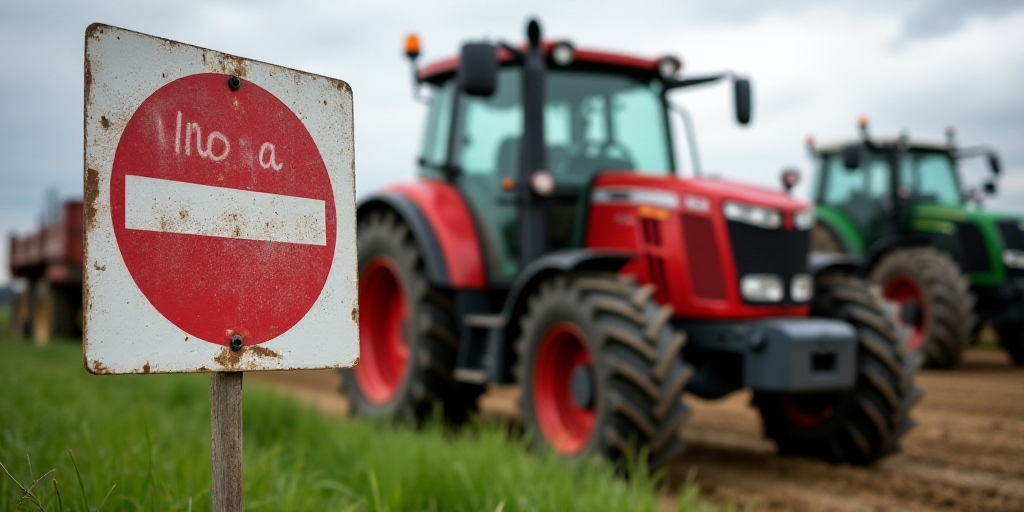
However, some European countries express concerns over potential losses in their agricultural sectors. This apprehension has led to reluctance in ratifying the agreement.
Key Points of Contention
- Agricultural Sector Concerns: Some European nations worry that the agreement will negatively impact their agricultural industries due to increased competition from Mercosur countries.
- Pesticide Regulations: France, in particular, insists on stringent measures to ensure that banned pesticides in the EU are also prohibited within Mercosur countries.
Negotiations and Timeline
The negotiation process has reached a critical juncture, with Brazil eager to finalize the agreement during an upcoming summit in Foz do Iguaçu on Saturday. President Lula has issued an ultimatum, stating that if the agreement is not approved “now,” Brazil will not pursue any further trade agreements during his presidency.
Italy’s Prime Minister Giorgia Meloni has joined France in requesting a delay of the agreement’s signing, deeming it “premature” to finalize the deal within the coming days.
The Mercosur summit of heads of state on Saturday will precede a meeting of foreign ministers and economic officials the previous day in Foz do Iguaçu, straddling the Brazil-Paraguay-Argentina border.
Potential Impact of the Agreement
Should the Mercosur-EU trade agreement be approved, it would create a common market encompassing 722 million people. This monumental step could reshape trade dynamics, fostering closer economic ties and potentially boosting growth in both regions.
Key Questions and Answers
- What is the Mercosur-EU trade agreement? It’s a proposed free trade agreement between the South American trading bloc Mercosur (comprising Argentina, Brazil, Paraguay, and Uruguay) and the European Union.
- Why is there reluctance from some European countries? Concerns exist regarding potential negative impacts on domestic agricultural sectors due to increased competition.
- What are the key sticking points in negotiations? Pesticide regulations and agricultural sector protections are significant issues dividing the negotiating parties.
- What would be the impact of the agreement? The agreement aims to facilitate increased trade in various sectors, creating a common market of 722 million people and potentially boosting economic growth in both regions.




