
Introduction
The ratio of fixed investment to GDP in Mexico reached 24.6% in 2024, the highest level since 2012 when it peaked at 25%. This information was disclosed by the National Institute of Statistics and Geography (INEGI) through its Tables of Origin-Destination of Fixed Investment (TODFBKF).
Investment Breakdown by Sector
The secondary sector of the economy generated 95.5% of the investment assets, while the tertiary sector, or services, absorbed 64.6% of the investment. The secondary sector comprises subsectors such as mining, electricity, gas, water, construction, and manufacturing.
- Secondary Sector: 95.5% of investment assets
- Tertiary Sector (Services): 64.6% of investment assets
Investment Trends and Projects
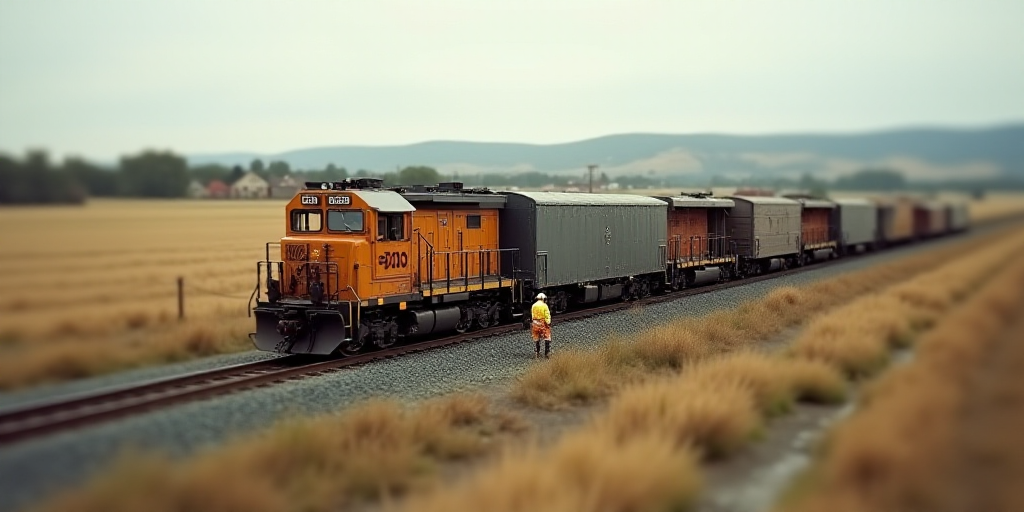
The increase in the fixed investment to GDP ratio was primarily due to changes in construction for electric and rail transportation, single-family housing, and commercial and service properties. This rise coincided with a surge in public investment dedicated to iconic infrastructure projects, including the Tren Maya, the Interoceanic Corridor of the Isthmus of Tehuantepec (including the rehabilitation of the Ferrocarril del Istmo de Tehuantepec, or FIT), and the conclusion of the Mexico-Toluca Interurban Train.
Simultaneously, there was a notable private investment appetite amid optimism sparked by the U.S. policy promoting the relocation of manufacturing assets from Asia to North America, aiming to strengthen regional supply chains.
Domestic vs. Imported Investment
Of the total investment assets valued at six trillion, 174,759 million pesos (at 2018 prices) in 2024, 74.4% originated domestically, while 25.6% came from imports.
Investment and GDP Growth
Despite fixed investment being the most influential component in structural economic growth—determining productive plant quality and scale—the 2024 fixed investment coefficient uptick did not correspond to a higher GDP growth rate compared to previous years with similar investment coefficients.
- 2024 Fixed Investment Coefficient: 24.6%
- GDP Growth Rate in 2024: 1.4%
- Comparison with Previous Years
In contrast, when the fixed investment to GDP ratio was 25% in 2011 and 2012, the GDP growth rates were 3.4% and 3.6%, respectively.
Key Questions and Answers
- What is the fixed investment to GDP ratio? It measures the proportion of fixed investments (like machinery, buildings, and infrastructure) relative to the total value of goods and services produced within a country’s borders.
- Why is the 24.6% ratio in 2024 significant? This ratio is the highest since 2012, indicating increased investment in infrastructure and capital goods.
- Which sectors contributed most to investment assets? The secondary sector, encompassing mining, electricity, gas, water, construction, and manufacturing, generated 95.5% of investment assets.
- What projects drove the rise in fixed investments? Projects like Tren Maya, Interoceanic Corridor of the Isthmus of Tehuantepec, and Mexico-Toluca Interurban Train contributed to the increased fixed investments.
- Did higher investment lead to greater GDP growth? Despite the increased fixed investment ratio, the GDP growth rate in 2024 (1.4%) was lower than in previous years with similar investment coefficients.




