
Background on the Situation
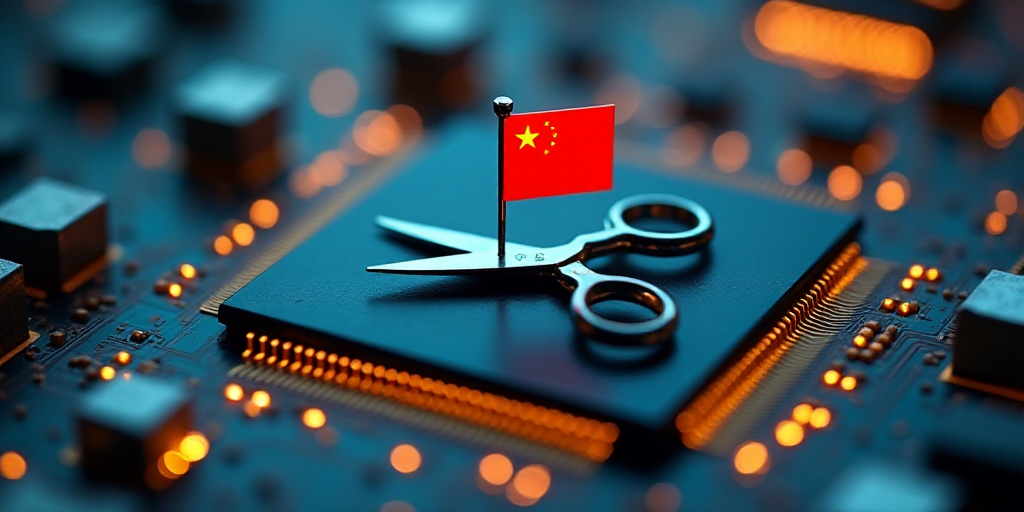
The Donald Trump administration announced on Tuesday that it will impose tariffs on Chinese semiconductor imports to the United States starting June 2027. The tariff rate will be announced at least one month in advance.
This move comes after a year-long investigation into Chinese chip imports in the United States, initiated by the government of former President Joe Biden and led by the United States Trade Representative (USTR).
USTR’s Stance
“China’s goal to dominate the semiconductor industry is unreasonable and imposes a burden or restriction on U.S. trade, making it subject to action,” stated the USTR in their announcement.
Context and Relevance
Donald Trump served as the 45th President of the United States from January 2017 to January 2021. His administration was known for its protectionist trade policies, aiming to reduce the U.S.’s trade deficit and bring manufacturing jobs back to American soil.
The USTR, under the leadership of different administrations, plays a crucial role in developing and implementing U.S. trade policy. The office represents the United States in trade negotiations with foreign governments and abroad, ensuring that American businesses and workers benefit from open and fair trade.
Joe Biden served as the 46th Vice President from 2009 to 2017 under President Barack Obama. He was elected as the 46th President of the United States in November 2020, succeeding Trump. Although Biden initiated the investigation into Chinese chip imports, the tariffs will now be implemented during the Trump administration’s planned transition period.
Impact on the Semiconductor Industry
Semiconductors, also known as integrated circuits, are essential components in electronics such as computers, smartphones, and automobiles. The global semiconductor industry is dominated by a few key players, including Taiwan Semiconductor Manufacturing Company (TSMC), Samsung, Intel, and SK Hynix.
China has been investing heavily in its domestic semiconductor industry to reduce its reliance on foreign technology and increase its global competitiveness. This move by the USTR aims to curb China’s ambitions in the semiconductor sector, which could have significant implications for both the U.S. and global technology industries.
Potential Consequences
- Increased Costs: Tariffs on Chinese semiconductors could lead to higher prices for electronic devices, affecting both consumers and businesses.
- Supply Chain Disruptions: Companies relying on Chinese chips might face supply chain issues, potentially causing delays in product launches or increased production costs.
- Technological Advancement Slowdown: Restrictions on Chinese semiconductors could hinder technological progress in various sectors, as China plays a crucial role in global chip manufacturing and R&D.
Key Questions and Answers
- Who is responsible for this announcement? The announcement was made by the USTR, representing the Donald Trump administration.
- When will these tariffs take effect? The tariffs are planned to be imposed by mid-2027.
- What triggered this decision? The investigation into Chinese chip imports in the U.S., initiated by the Joe Biden administration, led to this decision.
- What are the potential consequences of these tariffs? Possible outcomes include increased costs for electronic devices, supply chain disruptions, and a slowdown in technological advancements.




