
Introduction
Beef tripe, a staple in Mexican cuisine, is a common ingredient in dishes like tacos and menudo. However, despite its widespread use, it still carries a stigma of being “leftovers” in Mexico. In contrast, the United States has transformed beef tripe into a specialized, expensive, and closely monitored ingredient, classifying it as premium meat.
The Value Chain: US vs. Mexico
The difference lies not in the animal but in what happens before it reaches the plate. In the US, beef tripe enters a strict value chain: deep cleaning, bleaching, inspection, traceability, and refrigeration. Each step adds costs, along with labor that is expensive and difficult to replace. The result is a formalized product with a monitored price, controlled volume, and a clear perception of specialty.
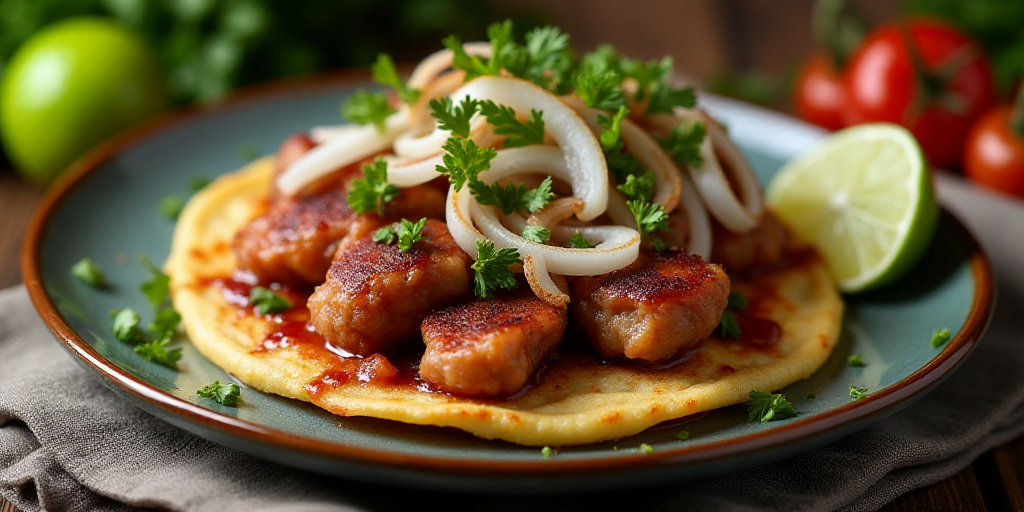
- In US cities like Chicago, Los Angeles, or Houston, the taco de tripa is sold at the same price as more prestigious cuts like skirt or flank steak.
- The tripe must be crispy, well-cooked, odorless, and have the perfect texture. The high margin reflects this, but so does the expectation.
Two Opposing Narratives of the Same Ingredient
In Mexico, the story is different. Beef tripe is deeply ingrained in our gastronomic DNA: nighttime tacos, Sunday pancita, raw cruda menudo. It’s part of our collective memory but not associated with value in the discourse.
- We still call it “offal,” “despojo,” or what’s left over, despite the labor-intensive process of washing, cutting, disinfecting, cooking for hours, cooling, cutting, and then frying.
- This meat demands attention; carelessness results in waste. Yet, it’s often sold as if this work doesn’t exist, treated as a cheap byproduct.
When the “Humble” Crosses the Border
The premiumization of beef tripe in the US is not a cultural offloading but an uncomfortable mirror. It was assigned real costs and respected as a complex ingredient.
The paradox is clear: one of the most labor-intensive products in Mexican taqueria needs to cross the border to be treated as what it is—not an artificial luxury, but a meat requiring knowledge, patience, and skill.
Perhaps the debate isn’t whether beef tripe should be premium, but why it takes so long to accept that it always has been.
Key Questions and Answers
- Q: Why is beef tripe perceived differently in the US and Mexico? A: In the US, beef tripe undergoes a strict value chain with deep cleaning, bleaching, inspection, traceability, and refrigeration, making it a formalized, expensive product. In Mexico, despite its widespread use, beef tripe is often disregarded and sold as a cheap byproduct.
- Q: How does the labor-intensive process of preparing beef tripe affect its perception? A: The labor-intensive process of washing, cutting, disinfecting, cooking for hours, cooling, cutting, and frying requires significant resources like water, gas, time, and experience. Despite this, beef tripe is often sold as if this work doesn’t exist in Mexico.
- Q: What is the paradox of beef tripe in Mexican cuisine? A: Beef tripe, one of the most labor-intensive products in Mexican taqueria, needs to cross the border to be treated as what it is—a meat requiring knowledge, patience, and skill.
- Q: Why is beef tripe considered premium in the US? A: In the US, beef tripe was assigned real costs and respected as a complex ingredient, undergoing a strict value chain that results in a formalized, expensive product.




