
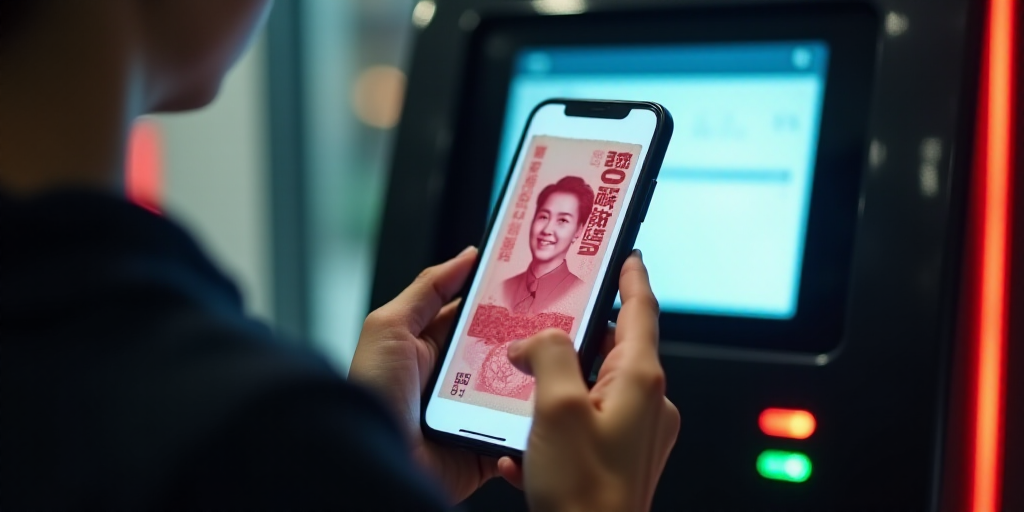
Background on China’s Digital Yuan Development
Since 2014, China’s central bank has been working on a digital currency project. The People’s Bank of China (PBOC) has conducted several pilot programs testing the use of a digital yuan. With consumers already making online and mobile payments, the digital yuan could give the central bank more access to data and control over transactions instead of relying on tech giants.
Key Figures and Their Roles
Lu Lei, the deputy governor of the PBOC, announced the new action plan for the digital yuan on January 1st. In a Financial News publication, Lu stated that the future digital yuan will be a modern form of digital payment and circulation within the financial system.
Digital Yuan Action Plan Details
The new generation digital yuan system will be launched on January 1st, encompassing a measurement framework, management system, operational mechanism, and ecosystem according to Lu Lei.
Incentivizing Digital Yuan Adoption
Under the action plan, banks will pay interest on digital yuan customer balances to encourage wider adoption of the currency.
International Operations Center Proposal
The plan also proposes establishing an international operations center for the digital yuan in Shanghai.
Global Context and Impact
Monetary authorities worldwide have been exploring digital currency options, driven by the surge in online payments during the pandemic and the growing popularity of cryptocurrencies.
Long-term Market Expectations and Business Sector Adoption
The digital yuan plan addresses long-term market expectations and could accelerate its adoption by the business sector. It also aims to enhance its suitability for cross-border operations, such as the mBridge project focused on international payments between central banks.
Overcoming Previous Limitations
Initially designed as cash, the digital yuan’s use in cross-border bank payments was limited due to mandatory conversion to deposits, incurring additional costs. By redefining it as deposit money, these restrictions could be eliminated, facilitating its integration into international financial flows.
Categorization and Integration with Traditional Finance
According to the action plan, digital yuan balances in wallets will be classified into different monetary categories based on liquidity levels. Furthermore, digital yuan held by bank-type operating institutions will be subject to reserve requirements, integrating it more directly into the traditional financial system.
Key Questions and Answers
- What is China’s digital yuan project? It is a digital currency developed by the People’s Bank of China since 2014, aiming to modernize digital payments and circulation within the financial system.
- When will the digital yuan action plan be implemented? The new generation digital yuan system will be launched on January 1st.
- What incentives are there for adopting the digital yuan? Banks will pay interest on digital yuan customer balances to encourage wider adoption.
- What is the proposed international operations center for the digital yuan? An international operations center for the digital yuan is planned in Shanghai.
- How will the digital yuan improve cross-border operations? The plan aims to enhance its suitability for cross-border operations, like the mBridge project focused on international payments between central banks.
- What changes have been made to overcome previous limitations? The digital yuan was initially designed as cash, limiting its use in cross-border bank payments. Redefining it as deposit money eliminates these restrictions.
- How will digital yuan balances be categorized and integrated with traditional finance? Digital yuan balances will be classified into different monetary categories based on liquidity levels. Digital yuan held by bank-type operating institutions will be subject to reserve requirements, integrating it more directly into the traditional financial system.




