
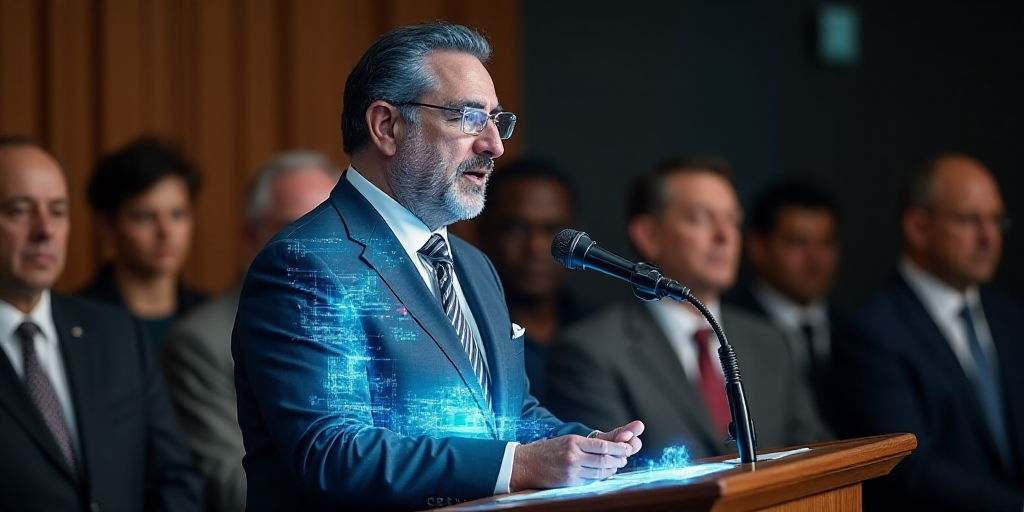
Background on President Gustavo Petro and His Relevance
Gustavo Petro, Colombia’s left-leaning president, has recently announced a significant 23.7% increase in the national minimum wage for 2026, marking the largest hike of this century. Petro, an ex-guerrilla and senator, was elected in 2018 on a platform advocating for social justice and economic reform. His policies have been both praised and critiqued, making him a central figure in Colombia’s current socio-economic landscape.
The Announced Salary Increase
Petro’s announcement aims to enhance the living standards of Colombians while facing criticism from the business sector, which deems the move unsustainable. This increase is the most substantial since 1998, surpassing the previous high of 16% in 2023.
- Current minimum monthly wage: 1,623,500 Colombian Pesos (approx. $422.2 USD)
- New minimum monthly wage post-increase: 2,000,000 Colombian Pesos (approx. $520.2 USD)
Petro acknowledged that the measures intend to reduce inequality, though they may cause price pressures. He made these statements alongside the Minister of Labor, Antonio Sanguino.
Economists’ Concerns and Potential Impacts
Economists warn that the substantial wage hike could negatively affect inflation, informality, and the overall cost of living in Colombia. Jorge Restrepo, an economics professor at the Universidad Javeriana, expressed concerns about the macroeconomic implications of such a significant wage increase.
“An increase far above inflation is a short-lived boost that will only transmit more inflation, with destabilizing macroeconomic effects on the Colombian economy.”
– Jorge Restrepo, Universidad Javeriana
Colombia’s central bank, Banco de la República, projects an inflation rate of around 4% for the upcoming year.
Colombia’s Informal Workforce and Poverty Levels
Approximately 50% of Colombian workers hold informal jobs and earn less than the minimum wage, according to Colombia’s Department of Statistical Investigation (DANE).
Reactions from Labor Unions and Business Sector
Fabio Arias, president of the Central Unitaria de Trabajadores (CUT), one of Colombia’s largest labor unions, criticized business leaders for expressing concern about workers’ improved financial well-being.
Under Petro’s administration, the cumulative increase in the minimum wage has been 42.4% over three years, according to Colombia’s Ministry of Finance.
Colombia’s Economic Performance
Despite the criticism, Colombia’s national economy has surpassed analysts’ projections, with expectations of a 2.6% to 2.7% GDP growth by year-end.
Petro recently declared a 30-day economic emergency due to an impending fiscal crisis, following warnings from international organizations regarding Colombia’s financial health.
Key Questions and Answers
- Who is Gustavo Petro? Petro is Colombia’s left-leaning president, elected in 2018, known for his advocacy of social justice and economic reform.
- What is the magnitude of the salary increase? The minimum wage will rise by 23.7% in 2026, the largest increase since 1998.
- What are economists’ concerns? Economists worry that the substantial wage hike could lead to increased inflation, informality, and higher living costs.
- What percentage of Colombian workers are informally employed? Around 50% of Colombian workers hold informal jobs and earn less than the minimum wage.
- What is Colombia’s projected GDP growth? Analysts expect a 2.6% to 2.7% GDP growth for Colombia by the end of the year.




