
Background and Relevance of the Situation
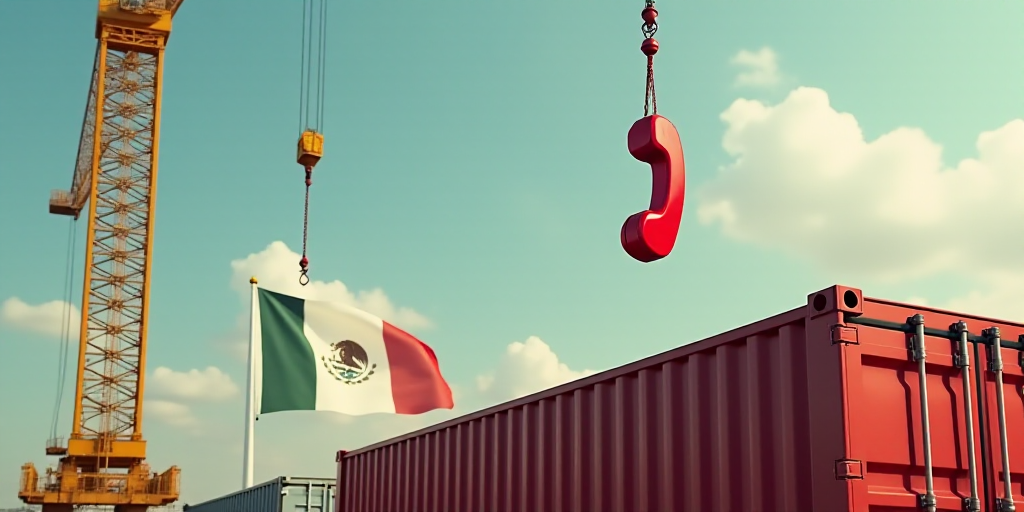
Mexico is set to impose new tariffs ranging from 15% to 35% on Chinese imports and other Asian countries without existing trade agreements, starting from Thursday. This move is part of Mexico’s efforts to protect its domestic industries and promote fair competition. The countries affected include China, Japan, South Korea, Thailand, and Malaysia.
Key Players Involved
The Mexican government, led by President Andrés Manuel López Obrador (AMLO), has been advocating for the implementation of these tariffs. The objective is to safeguard Mexican industries from unfair competition and dumping practices by foreign companies. The newly established National Import Administration (NIA) will be responsible for enforcing these tariffs.
Impact on Various Sectors
Electronics: Tariffs on electronic products from China, such as smartphones and laptops, are expected to increase their prices. This may affect both consumers and businesses that rely on these products.
Automotive Industry: Although Mexico imports fewer automotive parts from China, tariffs on these components could still have a ripple effect on the local automotive industry. Increased costs might lead to higher prices for vehicles or reduced profit margins for manufacturers.
Agriculture: Mexico imports various agricultural products from Asia, including fruits and vegetables. Tariffs on these items could result in higher prices for consumers or force local producers to fill the gap, potentially affecting their competitiveness.
Retaliation and Trade Wars
China and the affected Asian countries may respond with their own tariffs on Mexican exports. This could escalate into a trade war, potentially harming both Mexico’s and these countries’ economies. The automotive, agricultural, and electronics sectors in Mexico could be significantly impacted by such retaliatory measures.
Potential Benefits for Mexican Industries
By implementing these tariffs, Mexico aims to protect and foster the growth of its domestic industries. This could lead to increased production, job creation, and improved competitiveness for Mexican companies in various sectors.
Key Questions and Answers
- What is the purpose of these new tariffs? The Mexican government aims to protect its domestic industries from unfair competition and dumping practices by foreign companies.
- Which countries are affected by these tariffs? China, Japan, South Korea, Thailand, and Malaysia are the countries impacted by these new tariffs.
- How will these tariffs affect consumers and businesses? Prices for electronic products, automotive parts, and agricultural goods from the affected countries are likely to increase, potentially impacting both consumers and businesses.
- What are the possible consequences of retaliation from China and other affected countries? Retaliatory tariffs could lead to a trade war, harming the economies of both Mexico and the affected countries. Sectors like automotive, agriculture, and electronics could be significantly impacted.
- What benefits can Mexican industries expect from these tariffs? The tariffs aim to protect and foster the growth of Mexican industries, potentially leading to increased production, job creation, and improved competitiveness for Mexican companies.




