
Introduction
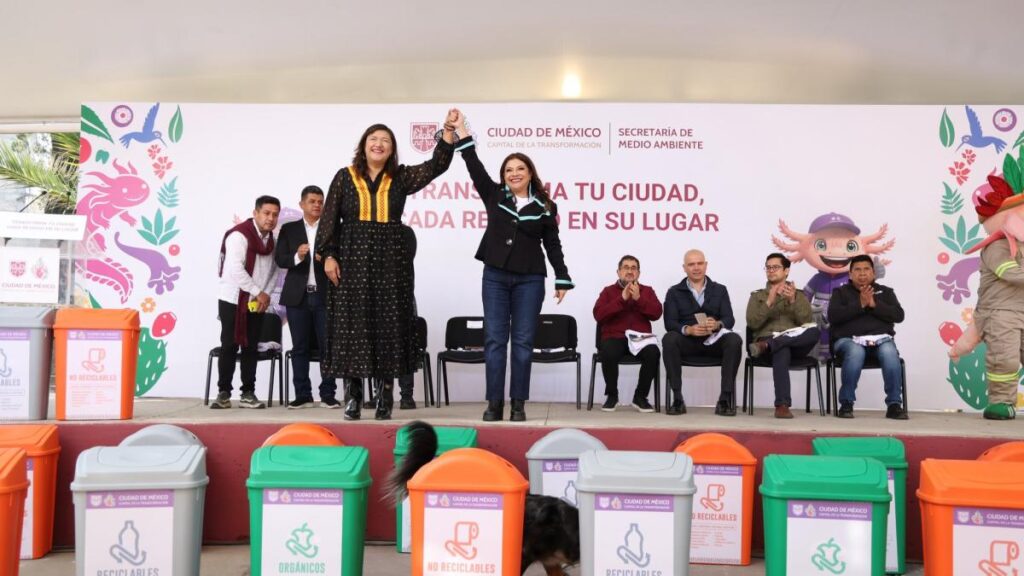
Mexico City is set to implement a mandatory waste segregation scheme starting January 1, 2026. This new system, driven by the capital’s government through the campaign “Transform Your City: Every Waste in its Place,” aims to improve waste management, reduce environmental impact, and strengthen recycling processes by enforcing household waste classification.
Who is Clara Brugada Molina and Why is She Relevant?
Clara Brugada Molina, the Head of Government of Mexico City, introduced this strategic change in waste management. She highlighted that the capital generates over 8,000 tons of waste daily and faces increasing pressure on sanitary landfills. Her leadership is crucial in addressing the city’s waste management challenges.
How Will Waste Collection Work?
Waste collection will occur on different days to prevent mixing waste at its source and facilitate subsequent treatment. The new system will include:
- Organic Waste (Green): Food scraps, fruit and vegetable remnants, egg shells, gardening waste, coffee and tea grounds, bones, and other biodegradable household waste.
- Recyclable Inorganic Waste (Gray): Paper, cardboard, plastics, metals, glass, multilayer packaging (tetra-packs), textiles, and clothing that can be reintegrated into recycling processes.
- Non-Recyclable Inorganic Waste (Orange): Disposable diapers, sanitary napkins, cigarette butts, toilet paper, polystyrene, footwear, french fry wrappers, band-aids, and other materials with limited reuse potential.
Medical waste, such as syringes and expired medications, should be taken to healthcare centers, hospitals, or pharmacies with authorized containers. Electronic waste will be directed to Reciclatrón events or permanent accumulation points.
Penalties for Non-Compliance
In the initial phase, there will be no financial penalties for failing to separate waste correctly. However, waste collection trucks will be instructed not to collect unsorted waste, encouraging compliance with the new system. Informational campaigns will be launched in early 2026 to guide citizens and prevent confusion.
A Fundamental Shift in Waste Management
During the program’s launch in Azcapotzalco, Brugada Molina emphasized that Mexico City has 12 transfer stations receiving around 8,500 tons of waste daily, with nearly 7,000 ending up in sanitary landfills despite the potential for significant recycling or transformation.
“We will stop talking about trash and start discussing waste, as these materials can have a second life,” the leader stated, noting that each resident generates an average of 1.07 kilograms of waste daily, making Mexico City the second-largest waste producer in the country.
2030 Goal and Collection Strengthening
The capital’s government committed to ensuring that at least 50% of the city’s waste is transformed or recycled before final disposal by 2030. To achieve this, 50 new waste collection vehicles will be added in coordination with the 16 boroughs.
Currently, only 15% of waste is separated, but the new system aims to recover up to 75% of waste.
Capital authorities agree that the program’s success hinges on citizen commitment. Separating waste at home is essential to reduce pressure on sanitary landfills and advance towards a circular economy model in the city.
Key Questions and Answers
- Q: Will there be penalties for not separating waste correctly? A: No financial penalties will be imposed initially. However, unsorted waste will not be collected by waste trucks to encourage compliance.
- Q: What types of waste will be classified? A: Organic, recyclable inorganic (gray), and non-recyclable inorganic (orange) waste.
- Q: How should medical and electronic waste be disposed of? A: Medical waste should go to healthcare centers, hospitals, or pharmacies with authorized containers. Electronic waste should be directed to Reciclatrón events or permanent accumulation points.
- Q: What is the goal of this new waste management system? A: To improve waste management, reduce environmental impact, and strengthen recycling processes by enforcing household waste classification.




