
Background and Relevance
The United States, under the leadership of Secretary of State Marco Rubio, has expressed concern over China’s military activities near Taiwan. This situation gained attention following Chinese President Xi Jinping’s assertion that reunification with Taiwan is an irreversible trend due to the blood ties between their citizens.
US Stance and Actions
In a statement, the Department of State urged China to “exercise restraint, cease military pressure against Taiwan, and instead engage in constructive dialogue.” The US supports peace and stability in the Taiwan Strait and opposes unilateral changes to the status quo, even through force or coercion.
China’s Military Drills and Rhetoric
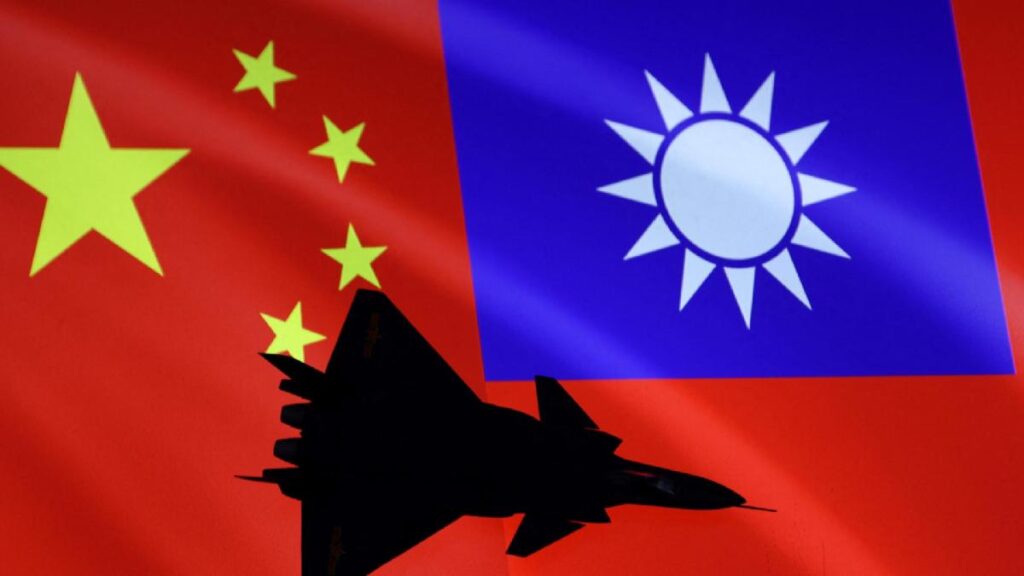
China initiated military operations near Taiwan on Monday, labeling them as a “stern warning against separatist forces promoting Taiwan’s independence.” The Taiwanese government rejected these drills, warning of risks to regional stability and global peace, while pledging not to escalate the conflict.
Shift in US Tone
This recent stance marks a shift from the previous tone set by former President Donald Trump, who dismissed China’s military exercises as unremarkable, despite current interpretations suggesting otherwise.
Key Questions and Answers
- Who is involved? The United States and China are the main parties, with Taiwan being the subject of military pressure.
- What is the issue? China’s military drills near Taiwan, accompanied by assertive rhetoric, have raised concerns about regional stability and the status quo.
- What is the US position? The US supports peace and stability in the Taiwan Strait, opposes unilateral changes to the status quo, and urges China to engage in constructive dialogue with Taiwan.
- What have been China’s actions? China has conducted military drills near Taiwan, labeling them as a warning against separatist forces promoting Taiwanese independence.
- How has the US response changed? The US has shifted from dismissing China’s military exercises to expressing concern and urging restraint.




