
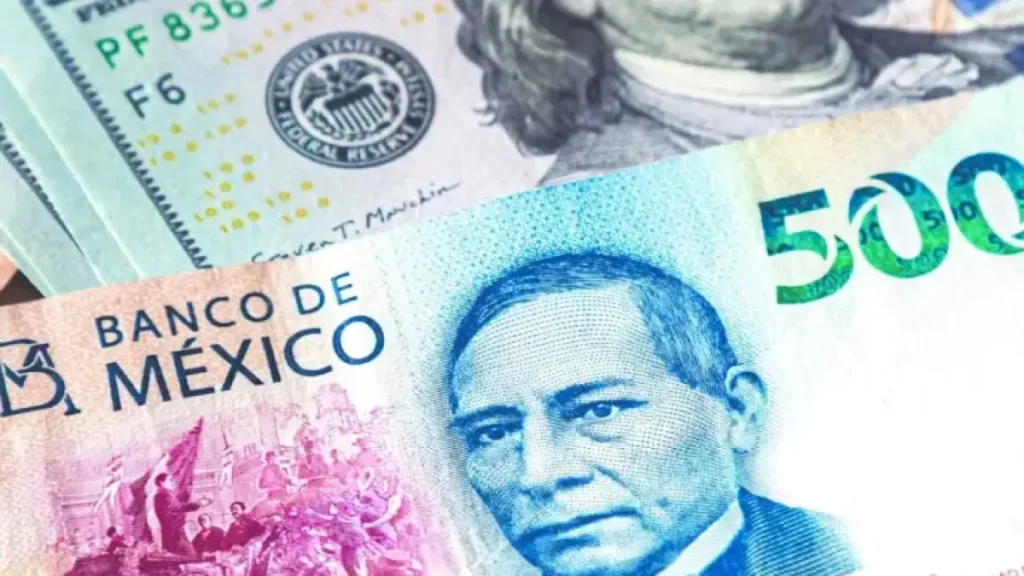
Introduction to the Mexican Peso and its Significance
The Mexican peso, the official currency of Mexico, began 2026 with a marginal appreciation against the US dollar. This development is crucial for understanding the economic landscape of Mexico and its relationship with the United States, given their intertwined economies.
Background on the Mexican Peso
The Mexican peso is the currency used in Mexico, the country with the 13th largest economy in the world. It is issued by the Bank of Mexico, known as Banco de México. The peso’s value is influenced by various factors, including trade relations with the United States, capital flows, and domestic economic policies.
Relevance of the Mexican Peso
The peso’s performance significantly impacts Mexican citizens, businesses, and investors. A stronger peso makes imports cheaper but can hurt exports by making Mexican goods more expensive for foreign buyers. Conversely, a weaker peso increases the competitiveness of Mexican exports but raises the cost of imports.
Recent Developments in the Peso’s Value
At the start of 2026, the Mexican peso maintained its position below the 18-peso mark that it concluded 2025 with. However, there was a slight decline in the weekly accumulation.
Weekly Performance
Despite the overall appreciation against the dollar at the beginning of 2026, the peso experienced a marginal decrease in its weekly performance. This fluctuation is typical in currency markets, driven by factors such as investor sentiment, economic data releases, and geopolitical events.
Impact on Mexico’s Economy
The peso’s value has a direct correlation with Mexico’s economic health. A stronger peso can lead to reduced inflation, as cheaper imports help keep prices stable. It also makes it easier for Mexican companies to service foreign debt, as the cost of repaying dollar-denominated loans decreases when the peso appreciates.
Trade Relations with the United States
Given that the United States is Mexico’s largest trading partner, any significant shifts in the peso-dollar exchange rate can have substantial implications for bilateral trade. A stronger peso could make Mexican exports less competitive in the US market, potentially affecting industries such as automotive manufacturing and electronics.
Who is Sergio Chapa and Why is He Relevant?
Sergio Chapa is a prominent figure in the Mexican financial sector, serving as the Director of Research at Banco Base. His insights and analyses on the Mexican economy, including currency movements, are highly regarded by investors, policymakers, and the general public.
Chapa’s Contributions
Through his work at Banco Base, Chapa provides comprehensive reports and analyses on economic trends in Mexico. His expertise helps stakeholders navigate the complexities of the Mexican financial market, including understanding the implications of currency fluctuations like those observed at the start of 2026.
Key Questions and Answers
- Q: What does the slight appreciation of the Mexican peso against the dollar mean for the Mexican economy?
A: The slight appreciation indicates a potentially stable inflation environment and could make it easier for Mexican companies to manage foreign debt. However, it may also affect the competitiveness of Mexican exports in the US market.
- Q: How does Sergio Chapa’s analysis influence market perceptions?
A: Sergio Chapa’s informed perspectives on the Mexican economy, including currency trends, are instrumental in shaping how investors and policymakers interpret economic signals. His analyses often provide context that helps stakeholders make more informed decisions.
- Q: What factors typically cause fluctuations in currency exchange rates?
A: Currency fluctuations are often driven by investor sentiment, economic data releases (like GDP figures or inflation rates), and geopolitical events that can influence capital flows and trade dynamics.




