
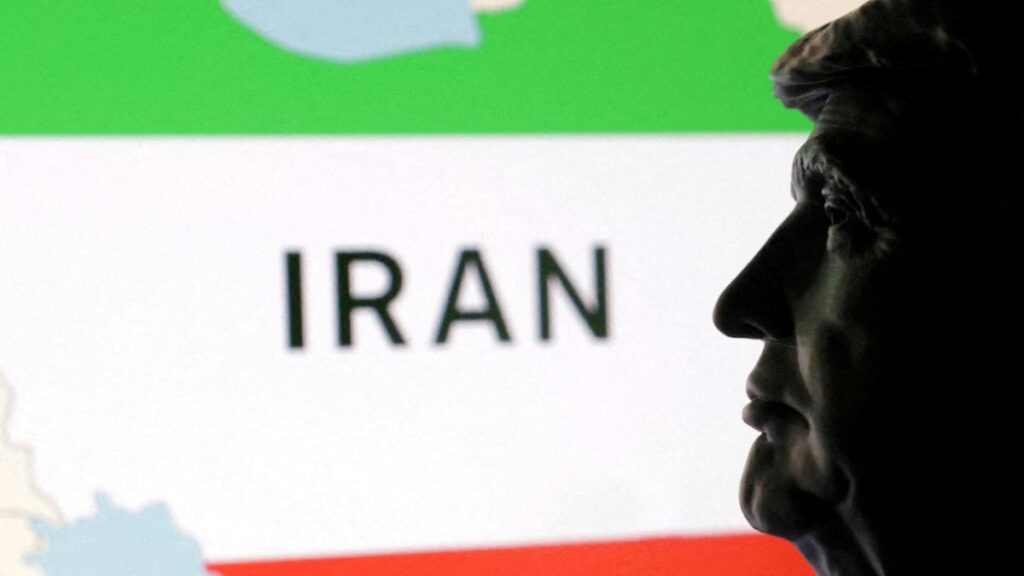
Background on Key Figures and Context
The current wave of protests in Iran, which began on Sunday, stems from the high cost of living. The situation has been exacerbated by hyperinflation and a sharp devaluation of the Iranian rial against the US dollar. The Islamic Republic has been grappling with these economic challenges for years, further complicated by international sanctions.
Donald Trump, the former U.S. President, has been a significant figure in Iran’s recent history due to his withdrawal from the 2015 nuclear deal and reimposition of sanctions. His administration’s maximum pressure campaign aimed to curtail Iran’s nuclear activities and limit its regional influence.
Protests and Government Response
The protests, initially sparked by businesses closing in Tehran, have since spread to other sectors and regions across Iran. At least six people, including a security force member, died in clashes on Thursday, marking the first fatalities since the protests began.
Trump took to his Truth Social platform, warning Iran of consequences should they violently suppress peaceful demonstrators. He stated, “If Iran shoots and kills peaceful protesters, as they are notorious for doing, the US will come to their rescue. We are ready and prepared to act.”
Iran’s response was swift, with two advisors to Supreme Leader Ali Khamenei issuing statements. Ali Shamchani emphasized, “Iran’s security is a red line,” adding that any interference would face a strong response. Ali Larijani echoed this sentiment, stating that any U.S. interference would destabilize the region and harm American interests.
President Hassan Rouhani’s Stance
Iranian President Hassan Rouhani acknowledged the legitimacy of the protests and urged officials to address demonstrators’ demands. He warned that failing to tackle the people’s livelihood issues could lead to dire consequences, stating, “From an Islamic perspective (…), if we don’t solve the people’s livelihood problems, we will end up in hellfire.”
Some officials, however, cautioned against any instability and pledged a firm response.
Economic Context
Iran has experienced a steep rise in the prices of basic goods and a continuous devaluation of its currency. In the past year, the rial lost more than one-third of its value against the dollar. Hyperinflation has further eroded citizens’ purchasing power, exacerbating the economic hardships caused by international sanctions.
These protests come at a time when Iran is weakened by recent setbacks for its regional allies in Gaza, Lebanon, and Syria. The situation is also influenced by the UN’s reimposition of sanctions in September due to Iran’s nuclear program.
Nuclear Program and International Relations
The nuclear issue has long strained relations between Iran and Western powers. The U.S. and Israel suspect Iran of pursuing nuclear weapons, which Tehran consistently denies. In April, Iran and the U.S. initiated nuclear talks mediated by Oman, but progress stalled in June when the U.S. targeted Iranian nuclear and enrichment sites.
Trump vowed to “eliminate” any attempts by Iran to rebuild its nuclear program or ballistic missile arsenal. The current protests, while significant, are less intense than those in late 2022 following the death of Mahsa Amini, who was detained for allegedly violating Iran’s strict dress code for women.
Key Questions and Answers
- Who is Donald Trump in this context? Donald Trump is the former U.S. President who played a crucial role in shaping recent Iran-U.S. relations through his withdrawal from the 2015 nuclear deal and subsequent sanctions.
- What sparked the protests in Iran? The protests were initially triggered by the high cost of living, fueled by hyperinflation and a sharp devaluation of the Iranian rial against the US dollar.
- What was Trump’s response to the protests? Trump warned Iran of consequences should they violently suppress peaceful demonstrators, stating that the U.S. would intervene if Iran harmed protesters.
- How did Iran respond to Trump’s warnings? Iranian officials, including advisors to Supreme Leader Ali Khamenei, emphasized that any interference would face a strong response and destabilize the region.
- What is the current state of Iran’s nuclear program? Negotiations between Iran and the U.S., mediated by Oman, stalled in June after the U.S. targeted Iranian nuclear and enrichment sites.




