
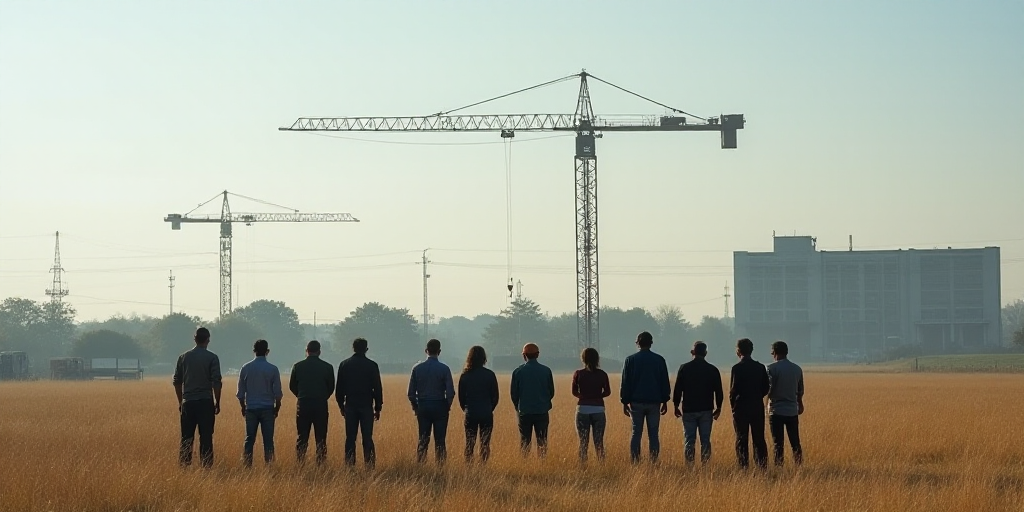
Background on the Project
The La Panga bridge project, which has been requested since 1962, aims to bring justice and development to over 450,000 families across seven municipalities in the region. The project, led by Governor Alejandro Armenta, seeks to transform La Panga into the “Puente de la Transformación” and a new tourist attraction.
Project Details
- The bridge, connecting San Baltazar Tetela with Los Ángeles Tetela, will span the Atoyac River and improve living conditions for marginalized communities.
- The project includes the construction of nurseries for plant and flower production, adding to its recreational value.
- The bridge’s completion will offer a unique turistic, cultural, and anthropological experience.
Environmental Impact and Collaboration
Governor Alejandro Armenta acknowledged President Claudia Sheinbaum’s commitment to restoring the Atoyac River, emphasizing that this project reduces river contamination and helps recover its natural wealth.
In parallel, the creation of Fertipue will utilize harvested lirios to produce adoquines (decorative paving stones) for nearby communities and soil improvers.
As part of President Sheinbaum’s 100 commitments for river saneamiento and restoration, the coordinator of the Puebla Hydraulic Plan, Raymundo Atanacio Luna, announced that two water treatment plants will be built in San Martín Texmelucan and Huejotzingo, with an investment exceeding one billion pesos.
Project Updates
- Secretary of Infrastructure, José Manuel Contreras de los Santos, reported that 18 out of 28 pillars have been installed, with a depth ranging from 45 to 65 meters.
- Heavy trabes weighing 70 tonnes have also been placed entirely.
Community Reactions
María Fernanda Jiménez Camargo, the auxiliary president of San Baltazar Tetela, expressed gratitude for the bridge construction, a request first made in 1962. She highlighted that the bridge will significantly reduce travel times, especially crucial during emergencies.
Magali Campos Morales, a resident of San Baltazar Tetela, praised the bridge’s benefits for communities like Huehuetlán, Los Ángeles Tetela, and various rancherías. She emphasized that the project, along with river cleaning efforts led by federal and state governments, will help restore the Valsequillo lake.
Key Questions and Answers
- What is the La Panga bridge project? It’s a long-awaited initiative to construct a bridge over the Atoyac River, bringing development and justice to seven municipalities in the region.
- What are the project’s main objectives? The bridge aims to improve living conditions, offer a unique turistic and cultural experience, and contribute to the restoration of the Atoyac River.
- What role do local communities play in this project? Local leaders and residents have advocated for the bridge since 1962, and they now express gratitude for its construction, expecting significant improvements in travel times and access to essential services.




