
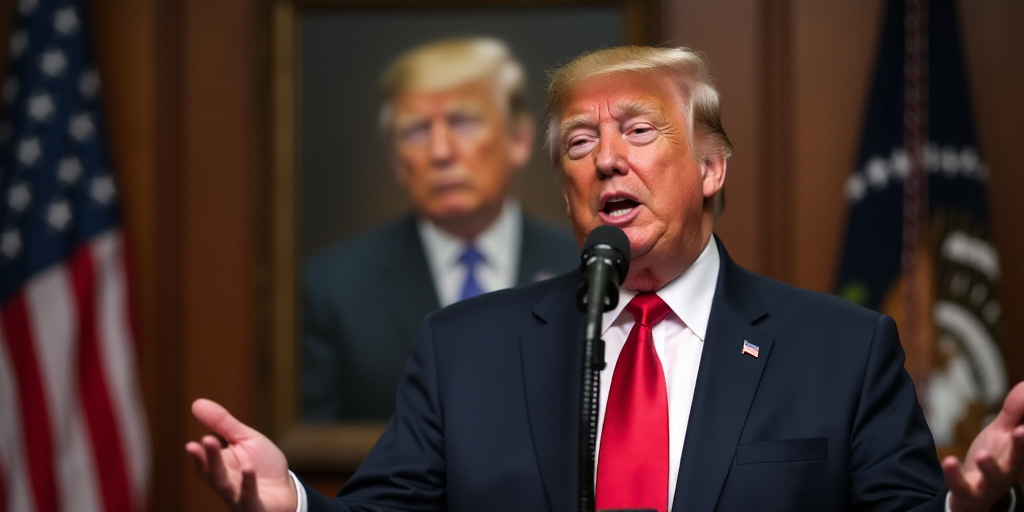
Background on the Key Players and their Relevance
The United States Senate has recently taken a significant step towards limiting potential military intervention in Venezuela. A bipartisan resolution, supported by both Democrats and Republicans, aims to prevent President Donald Trump from taking any aggressive military actions against the South American nation without Congressional approval.
Who is Donald Trump and why is he relevant?
Donald Trump, the 45th President of the United States, has been a polarizing figure since his inauguration in 2017. His administration has taken various stances on international affairs, including Venezuela. Trump has recognized opposition leader Juan Guaidó as the interim president of Venezuela, breaking diplomatic ties with the elected government led by Nicolás Maduro. This move has escalated tensions in the region and raised concerns about possible military intervention.
Why is the US Senate’s resolution important?
The bipartisan resolution in the Senate seeks to assert Congress’s constitutional authority over matters of war and peace. By passing this resolution, senators aim to prevent the President from engaging in military action against Venezuela without explicit approval from Congress. This move reflects growing concerns about the potential consequences of military intervention and the desire to maintain diplomatic channels for resolving the ongoing political crisis in Venezuela.
The Resolution and Trump’s Reaction
Following the Senate’s resolution, President Trump criticized Republican senators who voted in favor of the measure. He stated that these senators “should not be re-elected.” This reaction highlights the internal divide within the Republican Party regarding the appropriate response to the situation in Venezuela.
Impact on Venezuelans and Regional Stability
The bipartisan resolution in the US Senate has the potential to influence both domestic and international perceptions of the Venezuelan crisis. By limiting the possibility of military intervention, the resolution encourages diplomatic efforts to address the political and humanitarian challenges facing Venezuela. This approach may contribute to regional stability, as neighboring countries and international organizations work together to find peaceful solutions.
Key Questions and Answers
- What is the main goal of the bipartisan resolution in the US Senate? The resolution aims to prevent President Trump from taking military action in Venezuela without Congressional approval, asserting the legislative branch’s constitutional authority over matters of war and peace.
- Who is Donald Trump, and why is he relevant to the Venezuelan situation? Donald Trump is the President of the United States who has recognized opposition leader Juan Guaidó as the interim president of Venezuela, thereby complicating diplomatic relations with the elected government led by Nicolás Maduro.
- How did President Trump react to the Senate resolution? President Trump criticized Republican senators who voted in favor of the resolution, stating that they “should not be re-elected.”
- What are the potential impacts of this resolution on Venezuelans and regional stability? The resolution may encourage diplomatic efforts to address the political and humanitarian challenges in Venezuela, potentially contributing to regional stability.




