
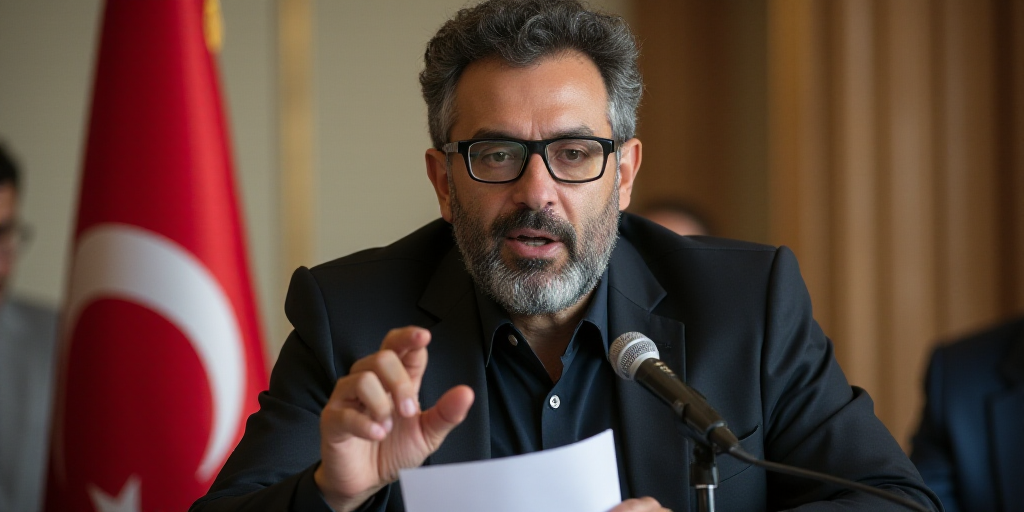
Background on Ali Khamenei and His Role
Ali Khamenei, the current Supreme Leader of Iran, has been a pivotal figure in the country’s political landscape since 1989. As the highest-ranking official in Iran, Khamenei holds significant influence over the nation’s political and religious affairs. His leadership role stems from his position as the successor to Ayatollah Ruhollah Khomeini, the founder of the Islamic Republic of Iran.
Protests Escalate Across Iran
Since late September 2022, widespread protests have erupted across Iran. Initially sparked by economic grievances, the demonstrations have evolved into a broader call for an end to the Islamic Republic, which has been in power since 1979. Protesters have taken to the streets, chanting “death to the dictator,” demanding an end to the teocratic system.
Reports of Casualties and Government Response
According to Iran Human Rights, at least 51 protesters have died due to the government’s crackdown on demonstrations in the first 13 days. The Iranian government has responded with internet blackouts, raising concerns among opposition groups in exile.
Gholamhossein Mohseni Ejei, Iran’s judiciary chief, warned of “decisive punishment” for those who defy the regime, with no legal compassion. Meanwhile, the Revolutionary Guards’ intelligence arm stated that continuing the current situation is unacceptable, emphasizing their commitment to protecting the revolution.
Ali Khamenei’s Response to Protests
In a speech to his supporters, Ali Khamenei adopted a firm tone, stating that Iran “will not yield” to the protesters. He described them as “saboteurs” and accused external forces, specifically the United States and Israel, of attempting to incite violence.
Khamenei also criticized U.S. President Donald Trump, accusing him of being “arrogant” and having “blood on his hands” due to U.S. actions against Iran, possibly referring to the June 2022 airstrikes on Iranian nuclear facilities.
International Involvement and Calls for Action
Reza Pahlavi, the son of the deposed Shah and a prominent opposition figure in exile, urged President Trump to intervene in the situation. In a social media post, Pahlavi wrote an “urgent appeal” for Trump to support the Iranian people amidst the protests.
These recent demonstrations are the largest in Iran since 2019, when protests followed the death of Mahsa Amini, who was arrested for allegedly wearing her hijab improperly.
The current unrest comes at a time when Iran faces multiple challenges, including the recent conflict with Israel and the reimposition of UN sanctions related to its nuclear program in September.
Key Questions and Answers
- Who is Ali Khamenei? He is Iran’s current Supreme Leader, succeeding Ayatollah Ruhollah Khomeini and wielding significant influence over the country’s political and religious affairs.
- What sparked the protests? The demonstrations began due to economic grievances but have since evolved into broader calls for an end to Iran’s Islamic Republic.
- How has the Iranian government responded to protests? The government has employed internet blackouts and a firm crackdown, resulting in numerous casualties and arrests.
- What role have international figures played? Reza Pahlavi, the son of Iran’s former Shah, has called on President Trump to support the protesters.




