
Background on Key Figures and Political Parties
The Institutional Revolutionary Party (PRI) and the National Action Party (PAN) have firmly opposed a proposed election reform by the federal government, alleging it aims to control elections, weaken opposition, and maintain power. The leaders of these parties, Alejandro Alito Moreno (PRI) and Jorge Romero Herrera (PAN), have raised concerns about the reform’s implications for Mexican democracy.
Alejandro Alito Moreno and the PRI
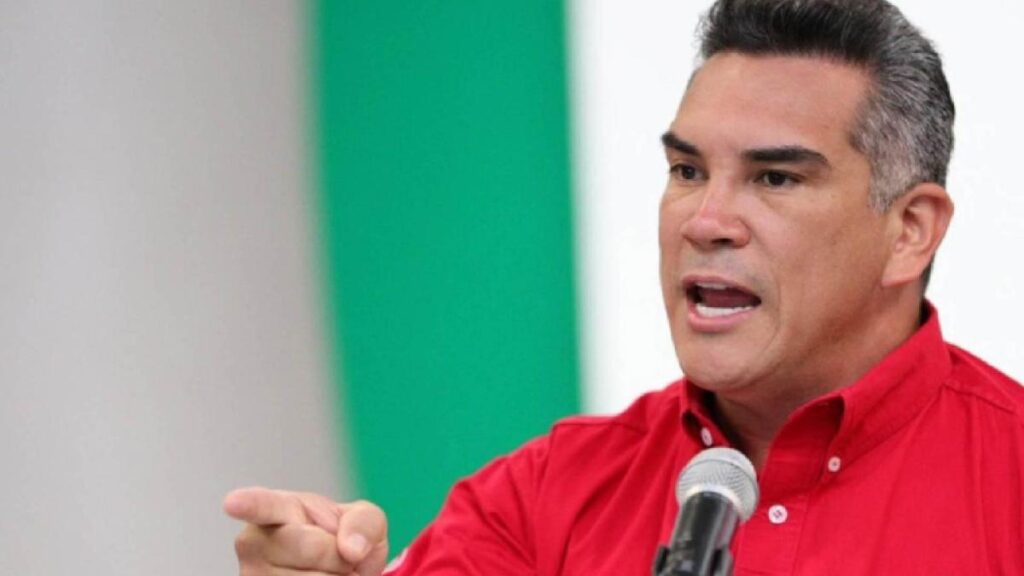
Alejandro Alito Moreno, the national president of the PRI, expressed his strong opposition during an event in Durango on January 18. He warned that the federal government’s true intentions are to control elections, eliminate opposition, and maintain power. Moreno drew parallels between the proposed reform and authoritarian regimes in Cuba, Venezuela, and Nicaragua.
Jorge Romero Herrera and the PAN
Jorge Romero Herrera, national president of the PAN, joined the criticism and stated that the election reform poses a direct threat to Mexican democracy. He claimed that Morena, the ruling party, seeks to strengthen an authoritarian model through legal changes that would undermine electoral plurality and fairness.
Key Concerns Regarding the Election Reform
- Control of Elections: Both party leaders argue that the reform aims to give the government excessive control over election processes, which would compromise democratic principles.
- Weakening Opposition: The reform is seen as an attempt to diminish the influence and effectiveness of opposition parties, thereby concentrating power in the hands of the ruling party.
- Perpetuation in Power: Critics claim that the proposed changes are designed to ensure the ruling party’s continued dominance, disregarding democratic norms of rotation in power.
- Exclusion of Opposition and Citizens: The PAN’s Romero Herrera highlighted the lack of involvement from opposition parties and citizens in drafting the reform, suggesting it was devised solely by the ruling party’s supporters.
- Centralization of Autonomous Functions: There are concerns that the reform would centralize functions that should remain independent, potentially returning Mexico to an era when the government controlled elections.
- Elimination of Proportional Representation: Critics argue that the proposed austerity measures are being used as a pretext to eliminate proportional representation mechanisms, which could limit political diversity.
Calls for Dialogue and Authentic Reform
Both PRI and PAN leaders have emphasized the importance of dialogue between the government and opposition parties. Romero Herrera stated, “When the government writes the rules, it controls the referee and competes at the same time, democracy ceases to exist.” He called for an authentic electoral reform that genuinely addresses issues while ensuring the participation of all parties and citizens.
Potential Consequences for Mexican Democracy
The opposition’s stern criticism of the election reform highlights the delicate state of Mexican democracy. Should the proposed changes be implemented, it could lead to a significant power imbalance, erode trust in electoral processes, and further polarize the political landscape. Ensuring a balanced and inclusive dialogue between all parties involved is crucial to preserving democratic norms and institutions in Mexico.




