
Introduction
In the culinary world, naming a dish is an act of memory. Some recipes don’t explain what they contain or how to prepare them, but they tell us who was behind it, who requested it, or whom it was served to. The name functions as a signature.
Nachos: An Alias That Became an Industry
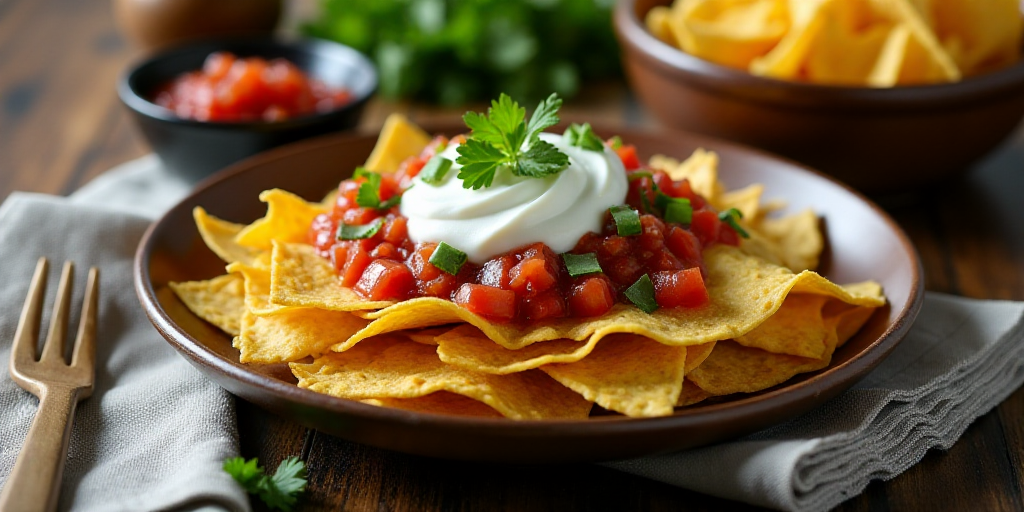
Ignacio Anaya, known as Nacho, is responsible for the nachos. He created them in 1943 in Piedras Negras, a city marked by its dynamic border with the United States.
The most widely spread version states that Anaya improvised the dish when a group of ladies arrived at the restaurant outside of kitchen hours. Totops, melted cheese, and pickled jalapeños resolved the urgency. When they asked what they were eating, the answer was simple: “Nacho’s specials.” The nickname became a name and turned into a global phenomenon that today represents one of the most consumed snacks worldwide.
Caesar Salad: A Surname Born in Tijuana
The Caesar Salad has no relation to Rome or emperors. Its name comes from César Cardini, who created it in 1924 at the Hotel Caesar’s.
During the Prohibition in the United States, Tijuana experienced a strong influx of tourists. Faced with overwhelmed service, Cardini improvised a salad using basic ingredients, prepared in front of the diner with some theatricality.
The dish adopted the name of its creator and became one of the few cases where a recipe born in Mexico internationalized while conserving the author’s surname as a mark of origin.
Chemita’s Steak: A Dish Named by a Customer
The Filete Chemita does not take its name from the cut or a culinary technique, but from a real person. Its origin lies in the historic Restaurant Prendes, founded in 1892 and considered one of the oldest restaurants in the country.
The gastronomic history indicates that Chemita was the nickname of a frequent customer who always ordered the same dish: beef steak prepared to his liking, fried in butter and served with classic accompaniments. In the kitchen, his order began to be identified as “Chemita’s steak.”
Over time, the name was formalized on the menu. Thus, a personal habit became an emblematic recipe, and the nickname of a diner was fixed in Mexican culinary tradition, demonstrating how the client’s memory also builds gastronomy.
Margarita Pizza: A Queen Turned into a Recipe
Margarita de Saboya‘s name is behind the pizza Margarita. In 1889, pizzaiolo Raffaele Esposito prepared it in her honor in Naples.
The combination of tomatoes, mozzarella, and basil represented the colors of the Italian flag in a culinary gesture laden with political symbolism.
The name honors the diner, not the cook. Nevertheless, the Margarita became the base of modern pizza and one of the clearest examples of how a proper name can legitimize a popular recipe.
Eggs Benedict: A Breakfast with Two Possible Origins
Eggs Benedict has two main theories about its origin. The first links it to Pope Benedict XIII in the 18th century, to whom the taste for poached eggs on toast with ham and a sauce similar to Hollandaise was attributed. This version is usually cited as the European antecedent, though without formal culinary documentation.
The second—and more accepted—places its birth in 1894 when Lemuel Benedict ordered a special breakfast to cure a hangover at the Waldorf Astoria Hotel.
The chef refined the preparation and decided to include it in the menu, keeping the client’s surname. Thus, a circumstantial order became institutionalized, and the name Benedict passed from the private table to become an international breakfast classic.




