
Background on Key Figures and Context
Ecuador, a small South American country known for its rich biodiversity and strategic location, has recently announced new tariffs on Colombian oil transport. This move comes as part of a trade war between Ecuador and Colombia, sparked by Ecuador’s decision to impose a 30% tariff on Colombian imports due to insufficient efforts in combating narcotráfico (drug trafficking) along their shared border.
Who is Inés Manzano?
Inés Manzano serves as Ecuador’s Minister of Environment and Energy. Her role in this situation highlights the intersection between environmental concerns, energy security, and trade policies in the region.
Why is this relevant?
This trade dispute has significant implications for both countries’ economies, energy sectors, and regional stability. Understanding the context of this conflict requires knowledge of Ecuador’s reliance on Colombian oil imports and Colombia’s dependence on Ecuadorian markets for various goods.
Key Developments in the Trade War
- Ecuador’s Initial Move: Ecuador announced a 30% tariff on Colombian imports, citing Colombia’s perceived inadequacy in addressing drug trafficking along their shared border.
- Colombia’s Reciprocal Response: Colombia responded by imposing the same 30% tariff on a dozen Ecuadorian products and suspending electricity supply to Ecuador.
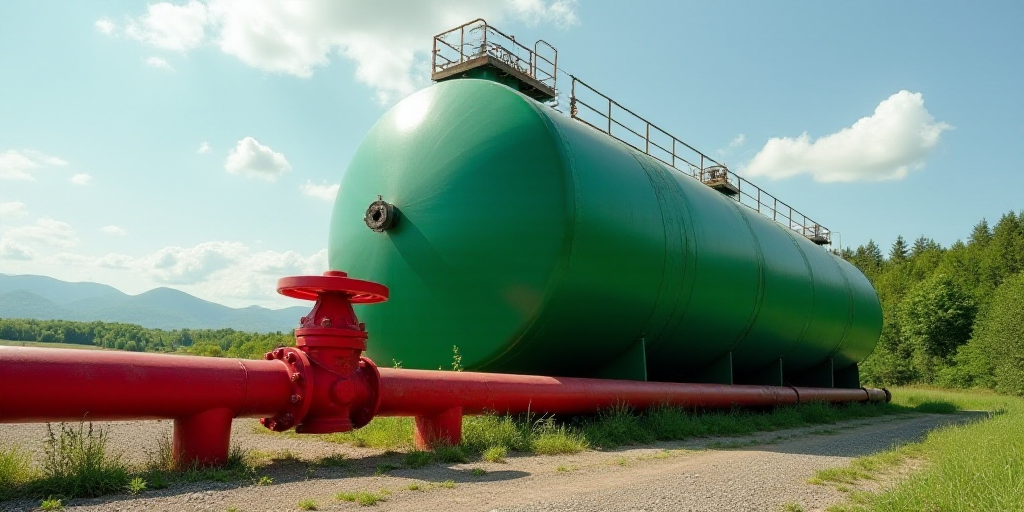
- Oil Transport Tariffs: As part of this ongoing trade war, Ecuador will enforce new tariffs on the transportation of Colombian oil through one of its oil pipelines, the Heavy Crude Pipeline (OCP).
Details of the New Tariffs
The new tariff on Colombian oil transport will take effect on February 1st, with certain exemptions. These include electricity, which Ecuador imports, and logistical services for hydrocarbons.
Oil Pipelines and Capacities
Ecuador has two primary oil pipelines for transporting crude extracted from the Amazonian region to the Pacific coast. The Heavy Crude Pipeline (OCP), where the new tariff will be applied, has a capacity of 450,000 barrels per day (bpd). The other pipeline can handle 360,000 bpd.
Ecuador’s Oil Production and Imports
In November, Ecuador produced 469,000 bpd, with 39% of that crude transported via the OCP, according to the latest data from the Central Bank.
Ecuador, despite being an oil exporter, still imports refined petroleum products due to its reliance on Colombian supplies.
Key Questions and Answers
- What is the main issue? The primary concern is drug trafficking along the Ecuador-Colombia border, which has led to Ecuador’s decision to impose tariffs on Colombian imports.
- What products are affected by the new tariffs? Colombia has imposed a 30% tariff on around two dozen Ecuadorian products in response to the initial tariffs.
- How will these tariffs impact oil transport? Ecuador will now impose new tariffs on the transport of Colombian oil through its Heavy Crude Pipeline (OCP), affecting the energy security of both nations.
- What are the capacities of Ecuador’s oil pipelines? The OCP can transport up to 450,000 bpd, while the other pipeline handles 360,000 bpd.
- Why does Ecuador import refined petroleum products? Despite being an oil exporter, Ecuador relies on Colombia for refined petroleum products due to its limited domestic refining capacity.




