
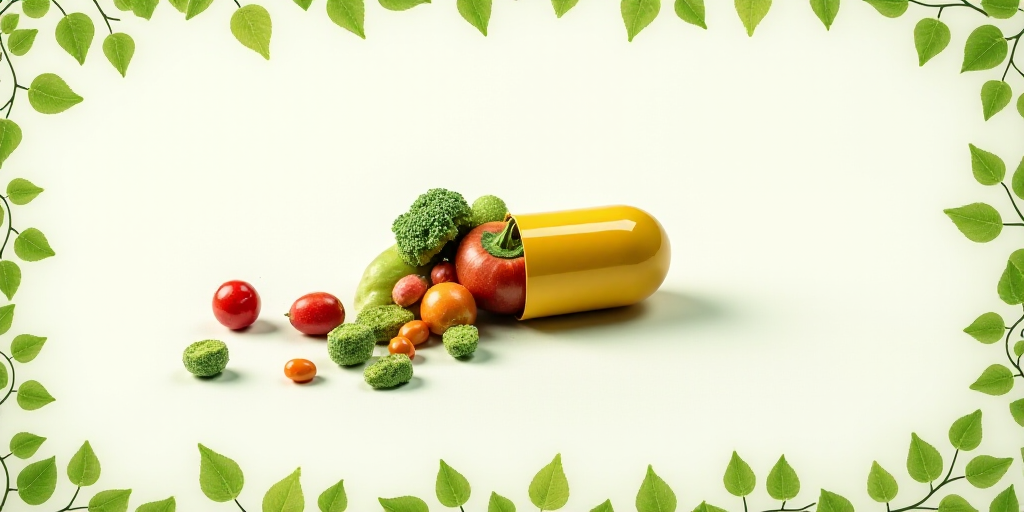
From Kitchen to Functional Pantry: The Evolution of Supplements
In 2026, the concept of waiting to get sick is losing ground. Wellness is now planned, anticipated, and consumed. This shift, accelerated by public conversations about prevention and self-care, is reshaping a growing category: dietary supplements.
This isn’t just about pills anymore; it’s about the new language of ingredients (probiotics, polyphenols, adaptogens), about labels as introductions, and an uncomfortable question increasingly appearing on dining tables: am I complementing my diet or trying to replace it?
The New Consumer Demand
The boom has a bright side: a more informed consumer who is less tolerant of opacity. In Mexico and Latin America, what’s now demanded isn’t “something to feel better,” but products with three safeguards: cleaner formulas, technical backing, and transparency.
“Clean” no longer just means “natural.” It means shorter ingredient lists, understandable doses, and traceability: knowing the origin of botanicals, who processed them, and under what standards they were encapsulated.

Dietary Supplements
This scrutiny is also evident in regulatory terms. COFEPRIS maintains specific guidelines for the sector and reminds that advertising supplements requires permission according to applicable frameworks, including references from the General Health Law.
In practical terms, minimum hygiene and process standards are anchored in norms like the NOM-251-SSA1-2009, applicable to foods, beverages, and supplements.
The Risk: When Supplements Masquerade as Total Solutions
Where there’s demand, shortcuts appear. The major risk in this category isn’t its existence but misuse, poor communication, or becoming a breeding ground for unsubstantiated promises.
Legislative documents clearly state that supplements should not attribute therapeutic properties, and the market must protect itself against what’s commonly known as “miracle products,” often hiding in loose categories to sell extraordinary results without evidence.
Translated for the consumer: if a label “cures,” “reduces inflammation everywhere,” “reverses” conditions, or promises an ideal body in 15 days, you’re not facing holistic wellness; you’re facing aggressive marketing.

Vegetable-based dietary supplement ingredients
What’s Happening in Mexico? The Conversation is Now in Law
The industry knows that without trust, there’s no sustainable growth. That’s why the regulatory debate is moving.
COFEPRIS announced at the end of 2025 that reforms were approved to the General Health Law to strengthen the authority’s attribution, within a framework of regulatory improvement.
The relevant part isn’t “more regulation,” but how: a framework that protects consumers without stifling innovation.
The 5 Trends Defining 2026
1) Personalization: The era of generic multivitamins is losing strength. Formulas tailored to specific needs (stress, performance, gut health, joint-skin health, life stages) are on the rise.
2) Functional Ingredients with Backing: Exotic sounds aren’t enough anymore. The market leans towards ingredients with evidence and understandable doses, like certain probiotics, hydrolyzed collagen, or ashwagandha in stress-focused products.
3) Radical Transparency: Clearer labels, certifications, and traceability as a competitive advantage. If you can’t explain your supply chain, you’re out of the conversation in 2026.
4) Formats and Convenience: Gummies, powders, shots, friendlier presentations for real routines. The battle is fought in habit: what can’t be sustained won’t work as a market.
5) Sustainability and Ethical Origin: Wellness extends to production methods: packaging, responsible sourcing, environmental footprint, and relationships with supplier communities. This is especially important for younger consumers when making decisions.

Dietary Supplements
What a Supplement Can and Cannot Promise
A serious supplement complements the diet; it doesn’t replace habits, substitute medical treatments, or present itself as a cure.
This principle appears repeatedly in regulatory reasoning: supplements as dietary support with clear limits on pharmacological or therapeutic properties.
In practical terms, informed decisions look more like reading a label than buying a “quick fix”: reviewing ingredients, understanding doses, and distrusting absolute promises. If there are medical conditions or medications involved, consult a healthcare professional.




