
Beauty from the Inside Out: A Daily Gastronomic Approach
Your skin not only gets touched; it also gets fed. This isn’t a beautiful metaphor; it’s a practical take on daily life. When you don’t sleep enough, your face shows it. When you hydrate better, your skin negotiates for it. And when you rush through entire seasons of eating, your texture changes without asking for permission.
That’s why the botanical trend of “slowing down” aging from within shouldn’t be seen as a trick, but rather as a sensible household discipline: a sum of small, repeatable, and pleasurable rituals where cooking and self-care are no longer in separate rooms.
The “Botanical Recipe” is a Pattern, Not a Capsule
If the goal is to slow down wear and tear, the real formula doesn’t fit into a container; it fits into a routine. We’re talking about a consumption pattern that prioritizes plant-based ingredients, bitter nobles, colorful fruits, aromatic herbs, seeds, teas, and gentle ferments. Not because they’re magical, but because historically, they’ve been part of kitchens that age well: those that sustain the body without harming it.
Here’s where cooking and skin intersect: the balance between dietary antioxidants, good fats, adequate protein, fiber, and water. It sounds obvious, but it’s the obvious that we most often abandon when time squeezes our agenda.
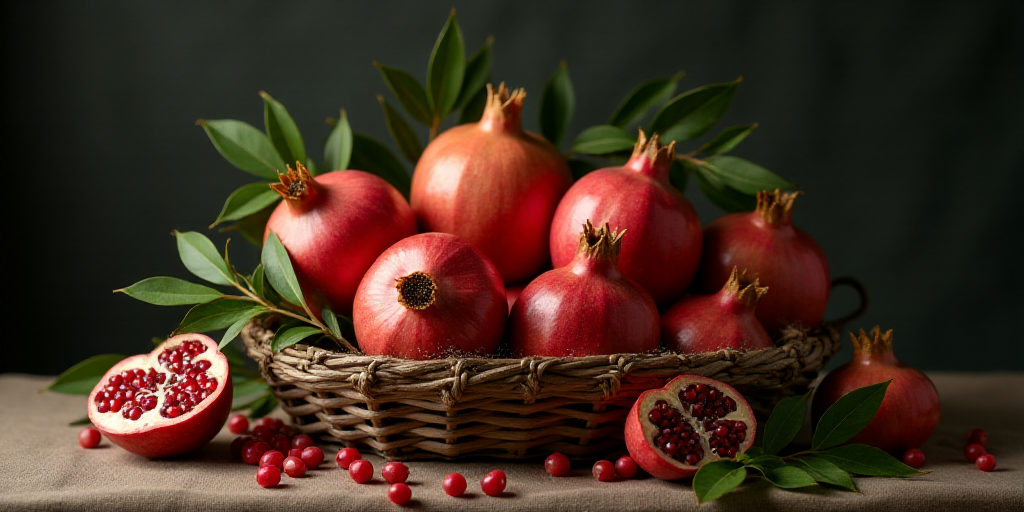
Pomegranate: The Red Eaten by the Spoonful
Pomegranate stands out for its elagitannin content, especially punicalagins, and compounds related like elagic acid associated with antioxidant and anti-inflammatory activity in various health contexts.
For skin, what makes sense to seek with pomegranate isn’t “erasing wrinkles,” but supporting the biological environment that wears down with sun exposure and oxidative stress.

Pomegranate
How to use it: Integrate pomegranate as a daily or almost-daily fruit in realistic portions: in natural yogurt or kéfir with nuts; in salads with olive oil; as a topping for oatmeal. In beverages, it’s better as pomegranate in mineral water with lemon than sugary juice. The practical goal is to add polyphenols and fiber without raising sugar levels.
Sweet Orange: Vitamin C + Flavonoids
Citrus fruits are significant sources of vitamin C and flavonoids, a family of flavonoids that often mentions hesperidin in oranges.
For skin, vitamin C is relevant because it participates in routes linked to connective tissue (collagen) and antioxidant defense; flavonoids provide a complementary antioxidant profile. The whole fruit usually is a better daily strategy than juice, as it conserves fiber and reduces the rapid load of sugars.

Orange
How to use it: Eat the whole orange as a snack or part of breakfast; use the zest in oatmeal, yogurt, or vinaigrettes to elevate flavor without sugar; and take advantage of segments in salads (especially with bitter greens and seeds). If you drink juice, make it occasional and in small portions; not a “daily drink.”
Gotu Aria (Centella Asiatica): Repair Support and Collagen
Gotu Aria (Centella Asiatica) contains active compounds that are well-studied in skin, especially asiaticoside, madecasoside, asiatic acid, and madecassic acid.

Centella
These compounds are associated with mechanisms like inflammation modulation, antioxidant protection, and collagen synthesis support.
How to use it: The most common consumption method is infusion/tisane. Use it as a “bridge beverage” to displace sodas or highly sugary drinks (both things that visibly age the skin in terms of visible effects). Take it in cycles of 2–4 weeks if it works for you, and if you’re pregnant, breastfeeding, or under medical treatment, consult your doctor first: safety in herbalism depends on individual context.
Cistanche: The Most “Technical” of the Group
Cistanche is a plant used in herbalism, and what’s most studied about it are certain natural compounds called pheniletanoides (especially echinacoside and acteoside). In simple terms, they’re plant molecules that have been associated with antioxidant and anti-inflammatory effects in scientific studies. The idea behind using it for wellness is to support the body in facing daily wear and tear, which also reflects on the skin.

Cistanche
How to use it: Unlike pomegranate or orange—which are easy-to-integrate foods, cistanche is rarely consumed as a cooking ingredient. You’ll typically find it in pre-made infusions or, more commonly, in extracts (concentrated formats). Therefore, the key with cistanche isn’t “adding more,” but doing so with discernment: product quality, clear dosage, and compatibility with your health.
How to use it: If you decide to try it, look for options that clearly indicate what they contain and in what quantity (dosage per serving), and avoid mixing it blindly with other stimulating products. If you have hypertension, hormonal conditions, autoimmune diseases, or take medications, it’s prudent to consult your doctor first. Take it in the morning with breakfast (or with lunch), or after your first meal of the day. If you prefer, it can also work with lunch. The idea is to avoid it at night, especially if you’re sensitive to herbal products that activate or make sleeping difficult. Use it for 4 to 8 weeks, then take a break.
Practical Guide
Pomegranate — How and When:
2–4 times a week, for breakfast or as a snack. Example: natural yogurt/kéfir with pomegranate and nuts; oatmeal with pomegranate; pomegranate in your lunch salad.
Sweet Orange — How and When:
3–5 times a week, whole, as a snack or part of breakfast. Use it also as a “flavor enhancer”: segments in salads or zest in yogurt/oatmeal. Whole fruit is better than daily orange juice.
Gotu Aria — How and When:
4–5 times a week, in the afternoon (between meals) as hot or cold tea. The goal is to replace sodas, frequent alcohol, or highly sugary drinks.
Cistanche — How and When:
If included, make it in the morning with breakfast (or with lunch), following product instructions and with safety criteria.




