
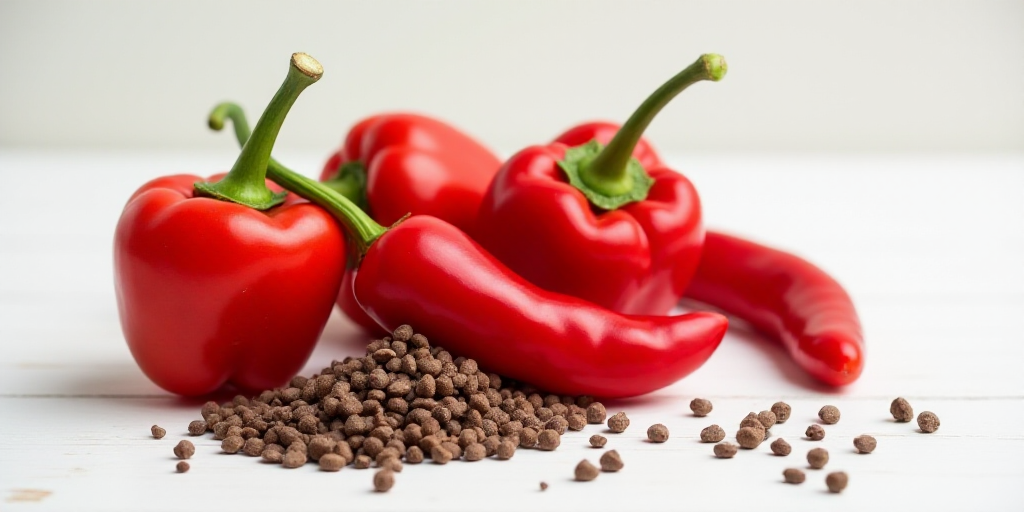
Frescos y secos: two worlds in Mexican cuisine
Fresh chiles bring immediacy, with their vibrant green color, juice, and direct sensation. This is why the serrano and jalapeño are staples in daily cooking: table salsas, tacos with whatever’s available, eggs with salsa, a quick green salsa. The poblano, on the other hand, is more about aroma than heat: roasted and peeled, it adds texture and depth.
Dried chiles are memory. Here lies the mature record: sweet, toasted, sometimes smoky notes; a color that settles into the salsa and depth that doesn’t feel like a single blow. In this world are guajillo, ancho (dried poblano), pasilla (chilaca dried), cascabel, morado/morita (depending on the market), chipotle, and chile de árbol. It’s not about “which one is spicier,” but which builds the flavor you’re looking for.
How to choose chiles at the market
With fresh chiles, the practical rule is firmness and live skin. A serrano or jalapeño should feel taut; if it’s wrinkled or soft, the salsa will likely turn out flat. With poblanos, in addition to firmness, avoid those that feel wet: roasted chiles lose their perfume, and the result becomes less clean.
With dried chiles, a chile that breaks like paper easily gives you rough salsas. Good dried chiles still bend slightly, have uniform color and a defined aroma: guajillo with clean aroma, ancho with the depth of ripe fruit, pasilla with elegant toasted notes. If they smell damp or like old dust, your salsa will give it away.
The method: choose chiles based on the effect you want to achieve
In Mexican cooking, chiles can do five things: give spice, perfume, color, body, or smoke. When you understand this, choosing becomes easy.
If you want shine and finesse, fresh chiles rule. The serrano pushes towards a spicy green with nerve; the jalapeño usually rounds and accompanies without dominating. The poblano, well roasted and peeled, brings a broad, smooth flavor that works in rajas, creams, and salsas where the goal is depth without aggression.
If you need red that paints, dried daily chiles solve it. The guajillo is the all-rounder because it paints a clean red and integrates easily: it works for enchilada sauces, broths, light adobos, chilaquiles, and beans. The ANCHO adds darkness and a natural sweetness that makes the salsa feel “more potent”. The PASILLA pushes towards toasted, complex flavors. And if you’re looking for smokiness on purpose, here comes the chipotle (and morita when used): it functions as an accent.
The comal: where you win or lose the salsa
If there’s a practical secret to cooking better with chiles in Mexico, it’s the comal, especially with dried chiles.
Dried chile doesn’t “darken”: it awakens. Pass it over medium heat on the comal for just a few seconds on each side, only to release aroma. If the comal is too hot and the chile darkens quickly or releases aggressive smoke, bitterness appears. And once bitterness is there, it can’t be fixed; it lingers.
With fresh chiles, it’s different: you look for blisters and toasted areas because that’s where the flavor is. But control still applies. An excessively carbonized skin ruins it. If you want a clean profile, roast and then cover the chile so it “sweats” and can be peeled; if you want rusticity, leave some skin but not a dominant black crust.
In many kitchens, there’s a reflection: “if it stings, take it all away.” The reality is more nuanced. The veins and seeds concentrate spiciness, yes, but also part of the character. If you’re cooking for a diverse table, de-veining is a sensible strategy. If you want intensity, leave some and learn to balance.
More tomato or green tomato lowers aggressiveness; an element of fat (avocado, oil, cream) rounds; a touch of acidity at the end lifts the flavor without making it pungent. The goal isn’t to eliminate spiciness; it’s to make the spiciness meaningful.
Chile soaking exists to blend without damaging. Hot water and brief rest, just until the chile is pliable. Boiling hard and long can flatten the profile or drag rough notes. And while soaking water is useful, it’s best used sparingly: it helps adjust texture but too much clouds and makes the salsa less distinct.
Mistakes that spoil the salsa and how to fix them
The number one mistake is a too-hot comal with dried chiles: instead of releasing aroma, you burn and bitter them. If the bitterness is already there, sometimes you can soften it with more base (tomato or green tomato) and a touch of fat, but when it dominates, there’s no fixing it: the over-toasted flavor stays.
How to store salsas so they last longer
A raw salsa is bright but fragile. A cooked salsa usually lasts longer, and its flavor settles over time. In both cases: clean containers, cool before refrigerating, no “tested” spoons in the jar while cooking, and don’t leave the jar open while cooking.
At home: if the smell changes, there’s strange bubbling, gas when opening, or a flavor that’s gone off, it’s prudent to discard. Good salsa smells fresh.




