
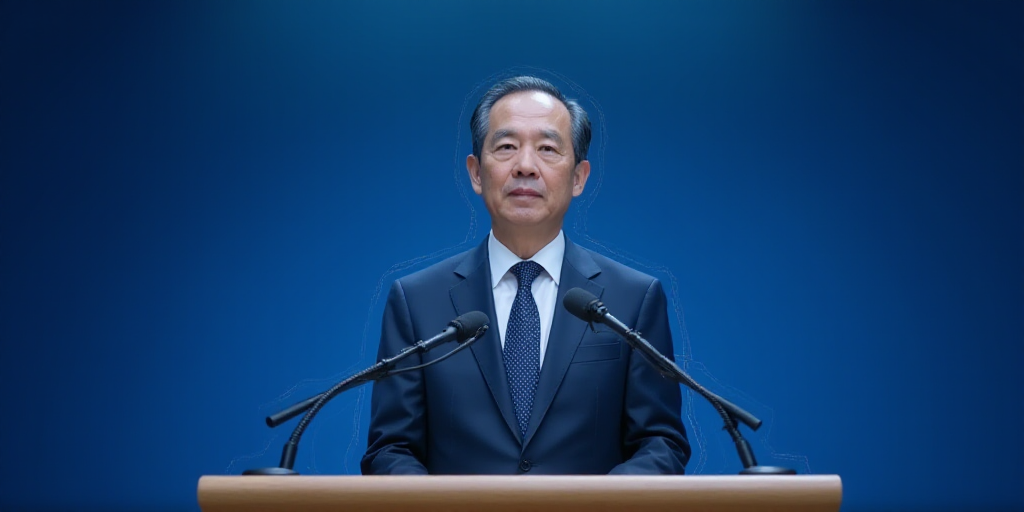
China’s Subtle Approach in Davos Contrasts with US
This year, China’s approach at the World Economic Forum (WEF) in Davos starkly contrasted with that of the United States. While President Trump hosted a reception for dozens of global business leaders, China opted for a more intimate setting with Western executives, conveying a simple “we are open for business” message, according to a senior bank executive.
Challenges Ahead for China
Despite this subtle strategy, China faces numerous challenges and hurdles if it aims to become a trusted partner for the European Union as the 27-member bloc seeks to reduce its reliance on the US. A global business leader described China’s strategy as “controlling the dynamics through stillness,” referencing a concept from Sun Tzu’s “The Art of War,” where one patiently waits for the enemy to exhaust themselves on the battlefield.
China sent Vice Premier He Lifeng to the WEF annual meeting this year in the Swiss mountain resort. His speech, shorter compared to President Trump’s, emphasized China’s willingness to purchase more goods and services from foreign companies rather than pursuing a trade surplus.
However, China continues to export its excess manufacturing capacity, primarily in the electric vehicle and other sectors, to foreign markets, with no immediate solution, according to a senior executive from a global bank.
Canada and the UK Fostering Business Dialogue with China
Canadian Prime Minister Mark Carney recently described China as a “reliable and predictable partner” during his visit and encouraged EU leaders in Davos to seek investments in China. Britain and China are also working to revive business dialogue from the “Golden Era,” with British Prime Minister Keir Starmer’s upcoming visit to China, according to Reuters.
Finnish Prime Minister Petteri Orpo is also scheduled to visit China with a business delegation covering resource, manufacturing, and food sectors.
Lessons Learned from Past Mistakes
A senior executive from a multinational financial firm stated that China has learned from its mistakes three years ago when stringent measures against the real estate sector, technology companies, and education eroded confidence. China has since aimed to be more consistent and predictable, while the US has been less so.
However, China’s diminished presence on the Davos main street coincides with growth reaching its lowest level in three years. China’s message to boost consumption has yet to yield results.
Key Questions and Answers
- What is China’s strategy at the WEF in Davos? China adopted a low-profile approach, contrasting with the US’s more assertive stance. They communicated a simple “open for business” message to Western executives.
- What challenges does China face in attracting Western investments? China must overcome numerous hurdles and challenges to become a trusted partner for the EU, including managing excess manufacturing capacity and maintaining consistency in its policies.
- How are other countries fostering business ties with China? Canada and Britain are encouraging investments in China, while Finland plans to strengthen business relations through sector-specific delegations.
- What lessons has China learned from past policies? China acknowledged its previous mistakes, such as stringent measures against various sectors that eroded confidence. They now aim to be more consistent and predictable.
- How is China’s growth performing in Davos? Despite China’s subtle approach, growth has reached its lowest level in three years at the WEF in Davos.




