
Who is Patricia Jácome Paz and Why is Her Expertise Relevant?
Patricia Jácome Paz is a researcher from the Natural Resources Department at the Instituto de Geofísica (IGf) of the National Autonomous University of Mexico (UNAM). Her expertise in volcanology and geochemistry makes her insights crucial regarding the recent changes observed at Volcano Chichón.
Recent Physical and Chemical Changes at Volcano Chichón
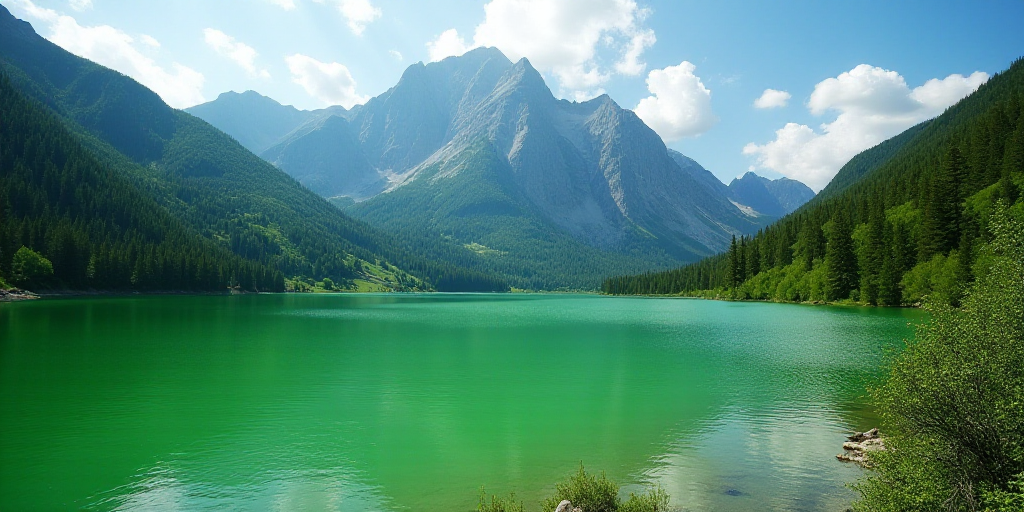
Volcano Chichón, also known as Chichonal, has exhibited significant physical and chemical changes in recent years. These alterations include variations in the lake’s coloration, transitioning from being dominated by algae to sulfates and silica. Such changes are indicative of an active volcanic lake.
Gas Emissions and Health Risks
Jácome Paz highlighted that there is a substantial emission of gases from the lake’s bottom to the surface, which poses health risks. This situation is particularly concerning due to the area’s tourism activities, despite warnings about associated dangers.
Detection of Recent Changes
During the “Volcano Chichón: Dynamics and Recent Observations” conference, part of IGf’s Volcanology Seminar, Jácome Paz, a physicist and doctor in Earth Sciences, explained that these changes were recently detected.
She mentioned that her team has been collecting samples from the volcano’s lake, located in northern Chiapas, for over 20 years. This long-term data collection confirms the variations in solute flows within the system.
Recommendations for Enhanced Monitoring
Jácome Paz emphasized the need for increased collaboration among volcanologists to interpret data and issue observations. Additionally, she suggested involving experts in risk management, community monitoring personnel, response teams, and communication social specialists to ensure comprehensive oversight of the situation.
Key Questions and Answers
- What recent changes have been observed at Volcano Chichón? Recent changes include variations in the lake’s coloration, transitioning from algae dominance to sulfates and silica, along with significant gas emissions from the lake’s bottom.
- Why is increased monitoring necessary? The observed changes indicate an active volcanic lake, posing health risks due to gas emissions. Enhanced monitoring will ensure better understanding and management of these risks, especially considering the area’s tourism activities.
- Who should collaborate for improved monitoring? Volcanologists, risk management experts, community monitoring personnel, response teams, and communication social specialists should collaborate to ensure comprehensive oversight.




