
Introduction
The National Autonomous University of Mexico (UNAM) has issued a warning about the measles outbreak, stating that it is more contagious than COVID-19. Dr. José Antonio Martínez García, the director general of health services (DGAS) at UNAM, discusses the symptoms of measles and emphasizes the importance of vaccination.
Who is Dr. José Antonio Martínez García?
Dr. José Antonio Martínez García is a prominent figure in Mexico’s healthcare system, serving as the Director General of Health Services (DGAS) at UNAM. With extensive experience in public health, he plays a crucial role in shaping health policies and ensuring the well-being of students, faculty, and the wider community associated with Mexico’s leading educational institution.
Measles: Symptoms and Contagion
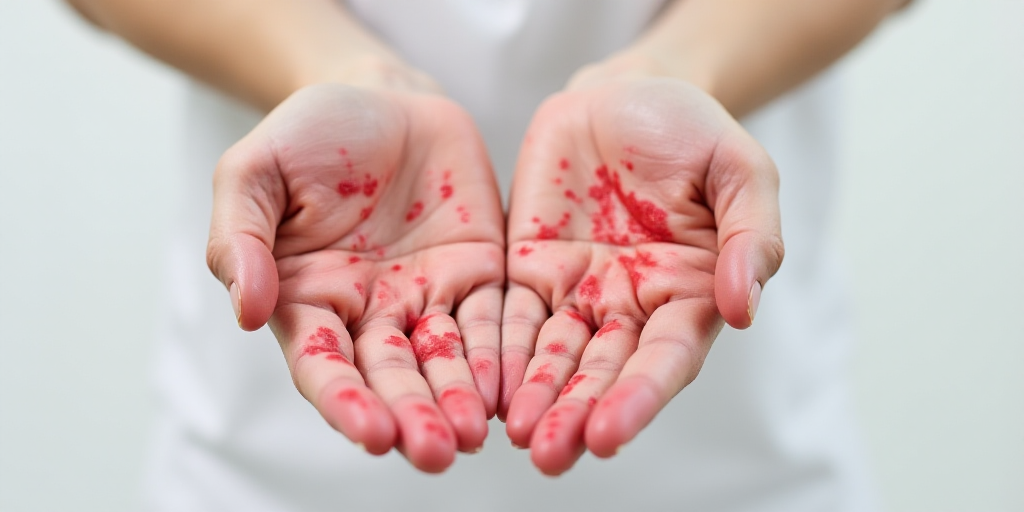
Measles, also known as rubeola, is a highly contagious viral infection characterized by a red rash, high fever, and cold-like symptoms. It spreads through the air when an infected person coughs or sneezes, making it more contagious than COVID-19. Measles is so infectious that up to 90% of the susceptible population around an infected person will likely get the disease if not vaccinated.
Why is Measles More Contagious than COVID-19?
Measles is more contagious due to its airborne transmission, which occurs when an infected person coughs or sneezes. The virus can remain airborne and viable for up to two hours, increasing the risk of infection. In contrast, COVID-19 primarily spreads through respiratory droplets and direct contact with infected individuals or contaminated surfaces. Although both diseases require preventive measures, measles’ higher contagion rate necessitates heightened vigilance and rapid vaccination.
Importance of Vaccination
Vaccination is the most effective way to prevent measles and protect communities from outbreaks. The measles vaccine is highly effective, with 97% effectiveness in preventing the disease after two doses. Dr. Martínez García stresses the importance of ensuring that both children and adults are up-to-date on their measles vaccinations to safeguard public health.
Who Should Get Vaccinated?
- Infants (starting at 6 months of age) should receive their first measles shot, with a second dose administered between 12 and 15 months.
- Children aged 1 to 4 years should receive one dose if they are at risk of complications or living in areas with low vaccination rates.
- All children should receive two doses of the measles vaccine, with the second dose administered before kindergarten entry.
- Adults born after 1957 who are not immune should also get vaccinated, as measles can still circulate in communities with low vaccination rates.
Impact on the Community
Measles outbreaks can have severe consequences for communities, particularly those with low vaccination rates. Complications from measles can include pneumonia, encephalitis, and even death. Ensuring high vaccination coverage is essential to protect vulnerable populations, such as young children and immunocompromised individuals.
Key Questions and Answers
- What are the symptoms of measles? Common symptoms include high fever, red rash, cold-like symptoms (runny nose, cough, and sore throat), and conjunctivitis.
- How is measles transmitted? Measles spreads through the air via coughs and sneezes of infected individuals.
- Why is measles more contagious than COVID-19? Measles remains airborne and viable for up to two hours, increasing the risk of infection compared to COVID-19.
- How effective is the measles vaccine? The measles vaccine is highly effective, with 97% effectiveness in preventing the disease after two doses.
- Who should get vaccinated against measles? Infants, children, and adults born after 1957 who are not immune should receive the measles vaccine.




