
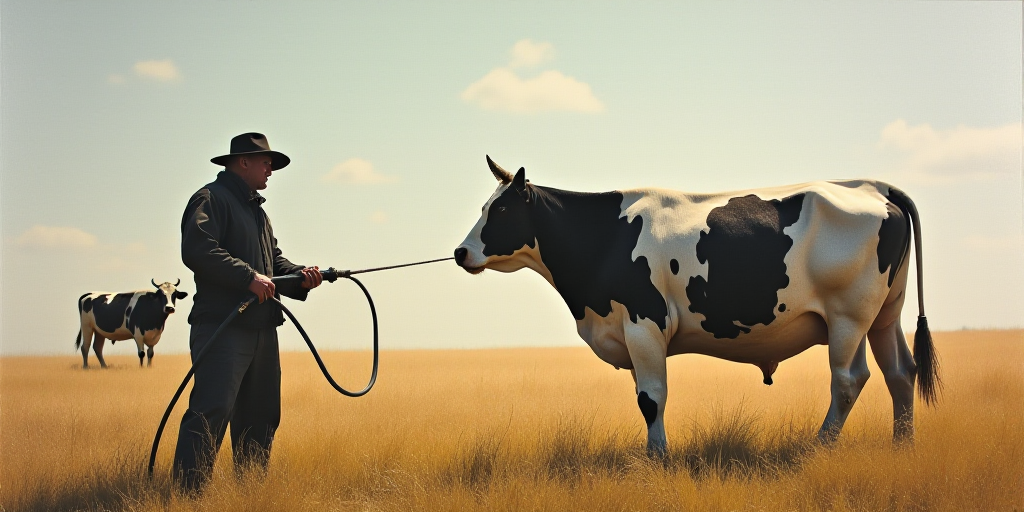
Background on Gusano Barrenador and its Impact
Gusano barrenador, also known as the cattle gangrene worm, poses a significant threat to livestock in northern Mexico. This parasitic worm can cause severe damage to cattle, leading to substantial economic losses for ranchers and the agricultural sector. Coahuila, a state in northeastern Mexico, has been proactive in addressing this issue by maintaining a high alert status and reinforcing prevention campaigns.
Coahuila’s Response to the Gusano Barrenador Threat
The Secretaría de Desarrollo Rural in Coahuila has emphasized the importance of keeping the sanitary alert active to combat the gusano barrenador. The state government has intensified its statewide campaign, “Guardia Arriba Contra el Gusano Barrenador,” targeting ganaderos (ranchers), veterinarians, and pecuarian associations. The campaign aims to distribute informational materials and promote awareness to keep Coahuila free from this plague.
Current Situation in Neighboring Tamaulipas
According to the Secretaría de Desarrollo Rural, there have been 12 confirmed cases of gusano barrenador (GBG) in Tamaulipas, which borders Coahuila to the east. This development highlights the urgent need for heightened vigilance in Coahuila to prevent the spread of the parasite.
Prevention Measures and Reporting
To counteract the gusano barrenador, Coahuila has implemented several preventive measures. These include distributing posters, brochures, and informational banners with key recommendations: prevent, identify, act, and report any signs of infestation in animals. Authorities urge prompt reporting of suspected cases through official hotlines provided by the Secretaría de Desarrollo Rural and Senasica (Mexico’s National Service for Agricultural Health, Sanitary, and Food Inspection).
Unique Aspects of the Tamaulipas Cases
Unlike previous cases detected in Nuevo León, which were linked to the movement of adult cattle from southern Mexico, the recent Tamaulipas cases involve a newborn calf infected with gusano barrenador just ten days after birth. This discovery underscores the active presence of the parasite in the region and the necessity for swift action.
Senasica’s Control Efforts
In response to the escalating situation, Senasica (National Service for Agricultural Health, Sanitary, and Food Inspection) has undertaken various control measures. These actions include the release of sterile flies, trapping efforts, controlling livestock mobility, and implementing other sanitary protocols to curb the spread of the gusano barrenador.
Geographical Considerations and Ongoing Vigilance
The closest confirmed gusano barrenador case, in the Tamaulipas municipality of Llera, is approximately 237 kilometers north of Coahuila’s Saltillo border. This proximity necessitates continuous monitoring and preventive efforts in Coahuila to safeguard its livestock from this destructive parasite.
Key Questions and Answers
- What is gusano barrenador? Gusano barrenador, or cattle gangrene worm, is a parasitic worm that infects cattle, causing severe damage and economic losses.
- Why is Coahuila on high alert? Coahuila is maintaining a high alert status due to the gusano barrenador threat in neighboring Tamaulipas, which requires vigilance to prevent its spread.
- What are the key prevention measures? Prevent, identify, act, and report any signs of infestation in animals. Distribute informational materials and promote awareness.
- How can suspected cases be reported? Contact the official hotlines provided by the Secretaría de Desarrollo Rural and Senasica.
- What control measures is Senasica implementing? Senasica is using methods such as sterile fly release, trapping, controlling livestock mobility, and other sanitary protocols.
- Why is ongoing vigilance necessary in Coahuila? The proximity of confirmed gusano barrenador cases in Tamaulipas necessitates continuous monitoring and preventive efforts in Coahuila.




