
Background on the Athlete and Event
The Winter Olympics, set to take place in Milan Cortina from February 6 to 22, will feature various events across multiple locations in northern Italy’s mountainous regions. Key disciplines include women’s alpine skiing in Cortina and freestyle skiing in Livigno, both nestled within the Dolomites range between 1,200 and 1,800 meters above sea level.
Recent Snowfall Eases Organizers’ Worries
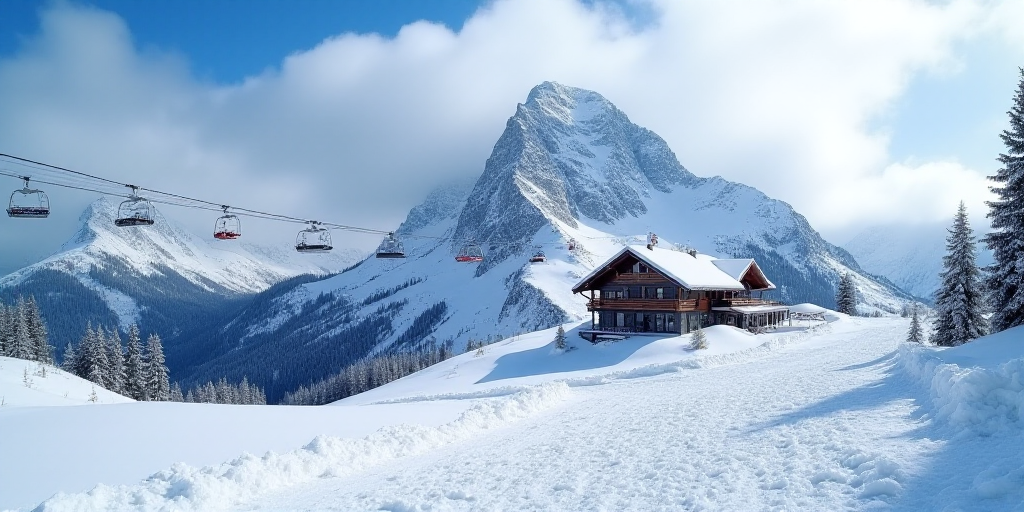
With climate change causing reduced snowfall in the Italian Alps over the past century, organizers were concerned about having to rely on artificial snow production for optimal race conditions. However, recent heavy snowfall in areas such as Bormio (esquí de montaña) and Antholz (biathlon) has alleviated these concerns.
Snow Production Plans
Despite the recent natural snowfall, organizers still anticipate needing to produce artificial snow using cannons and spreaders that transform water into fine snowflakes. The Milan Cortina organizing committee plans to produce 2.4 million cubic meters of artificial snow, requiring 948,000 cubic meters of water.
Comparison to Previous Winter Olympics
This snow production plan is significantly less than that of the 2022 Pekín Winter Olympics, where 890,000 cubic meters of artificial snow were used solely for the alpine skiing venue in Yanqing. An additional 1.9 million cubic meters were employed for other winter sports, as per Olympic statistics.
Key Questions and Answers
- What are the Winter Olympics of Milan Cortina? The 2022 Winter Olympics will be held in Milan Cortina, Italy from February 6 to 22. The games will feature various winter sports events across multiple locations in northern Italy’s mountainous regions.
- Why were organizers concerned about snow conditions? Due to climate change, the Italian Alps have experienced reduced snowfall over the past century. This led to worries that organizers might need to rely heavily on artificial snow production for optimal race conditions.
- What recent snowfall has eased these concerns? Heavy snowfall in areas like Bormio and Antholz has provided natural snow, reducing the need for extensive artificial snow production.
- How much artificial snow will be produced for the Milan Cortina Winter Olympics? The organizing committee plans to produce 2.4 million cubic meters of artificial snow, requiring 948,000 cubic meters of water.
- How does this compare to previous Winter Olympics? The 2022 Pekín Winter Olympics required significantly more artificial snow production, with 890,000 cubic meters used for alpine skiing alone and an additional 1.9 million cubic meters for other winter sports.




