
Historical Shift in European Automotive Market
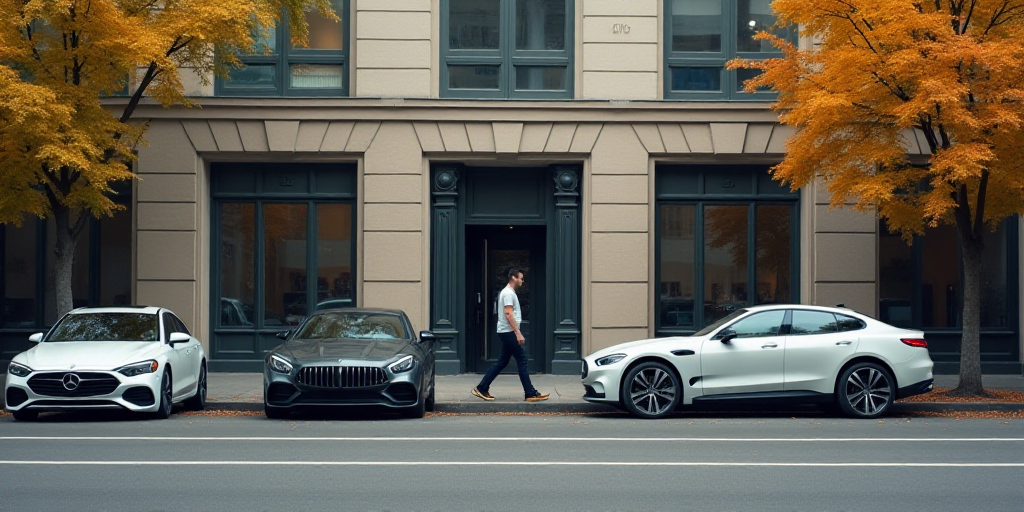
For the first time, sales of fully electric cars have surpassed those of gasoline vehicles in the European Union (EU) in December, according to data released by the ACEA automotive industry group. This shift comes despite proposals to soften emission regulations, indicating a strong consumer preference for electric vehicles.
Key Players Intensifying Competition
Chinese brands such as BYD, Changan, and Geely are intensifying competition in the European market. Meanwhile, national manufacturers like Volkswagen and BMW are launching new electric vehicle models. This growing competition is reshaping the European automotive landscape.
EU’s Policy Shift and Future Outlook
In December, the EU proposed abandoning the ban on combustion engine vehicles set to take effect in 2035, yielding to pressure from automakers facing Chinese competitors, U.S. tariffs, and challenges in profitably selling electric vehicles.
Experts Predict Continued Growth for Electric Vehicles
Despite the policy shift, experts predict that electric vehicles will continue to gain market share in Europe. Chris Heron, Secretary General of E-Mobility Europe, states that European brands are adapting by introducing affordable new models while countries offer fresh incentive plans.
“We’re seeing consumers embrace this change,” Heron said. “We are confident that sales across Europe will continue to grow in 2026.”
Sales Performance of Major Automakers
In December, global registrations for Europe, the UK, and the free trade association of Volkswagen and Stellantis increased by 10.2% and 4.5%, respectively, while Renault registrations fell by 2.2%. Tesla registrations dropped by 20.2%, whereas BYD registrations surged by 229.7%.
Total Auto Sales in the EU Rise Almost 6% in December
Total sales in the EU, the UK, and the European Free Trade Association reached 1.2 million automobiles in December, a 7.6% increase, and 13.3 million for the year, marking the highest volumes in five years. However, these figures remain significantly below pre-pandemic levels.
EU auto sales increased by 5.8% in December, totaling nearly one million vehicles, and by 1.8% for the year, reaching 10.8 million.
Rising Popularity of Electric and Hybrid Vehicles
Battery electric, plug-in hybrid, and mild hybrid vehicle registrations rose by 51%, 36.7%, and 5.8%, respectively, accounting for 67% of total registrations in the bloc.
According to independent automotive analyst Matthias Schmidt, the decline in gasoline car sales partly reflects the reclassification of some as “mild hybrids,” which only modestly reduce emissions.
“It will still take a couple of decades for purely electric vehicles to outnumber combustion engine vehicles in the region, but this is a promising start,” Schmidt stated.
Key Questions and Answers
- What does this shift signify for the European automotive market? This historical change indicates a strong consumer preference for electric vehicles, despite recent policy proposals to soften emission regulations.
- Who are the key players intensifying competition in Europe? Chinese brands like BYD, Changan, and Geely are increasing competition alongside national manufacturers such as Volkswagen and BMW, who are launching new electric vehicle models.
- What is the outlook for electric vehicles in Europe? Experts predict continued growth for electric vehicles, with European brands adapting by introducing affordable models and countries offering new incentive plans.
- How do total auto sales in the EU compare to pre-pandemic levels? While total sales in the EU have increased, they remain significantly below pre-pandemic levels.
- What factors contribute to the rising popularity of electric and hybrid vehicles? The growing popularity can be attributed to increasing consumer acceptance, new model introductions by major automakers, and supportive government policies.




