
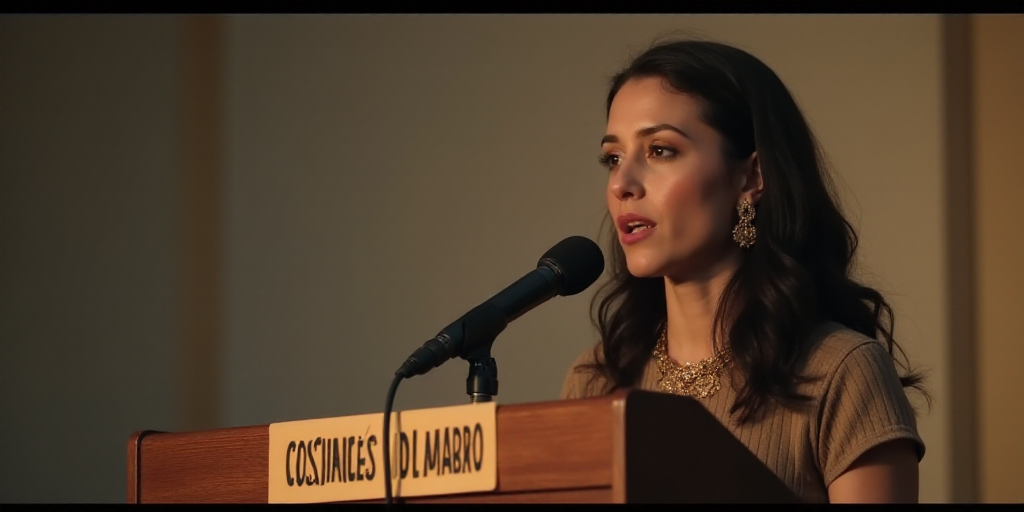
Background on Key Figures and Relevance
The Mexican government, led by President Claudia Sheinbaum, has commenced a comprehensive reparation process for victims of the Interoceanic train accident. This initiative aims to address the needs and rights of 225 individuals who were traveling in the train on the day of the incident, as well as the families of those who tragically lost their lives.
Félix Arturo Medina Padilla, the Subsecretary of Human Rights, Population and Migration under the Secretariat of Government, is spearheading this effort. His department has been instrumental in ensuring immediate, ongoing, and coordinated attention to the victims’ needs, prioritizing their health, recovery, and sensitive personal support across all aspects, including legal assistance.
Key Actions and Ideas
- Direct Attention to Victims: The Mexican government has initiated direct contact with the victims and their families to schedule appointments and begin the comprehensive reparation process.
- Corredor Interoceánico’s Acceptance: The Interoceanic Corridor has agreed to the reparation recommended by the Federal Attorney General’s Office (FGR).
- Alternative Dispute Resolution: Victims will have access to alternative dispute resolution options provided by the FGR.
- Multidisciplinary Support Team: A team comprising personnel from the Victims Assistance Executive Commission (CEAV), the Federal Attorney General’s Office, and the Secretariat of Government will be available to address doubts and guide victims through decision-making processes.
- Community-Based Attention: The reparation process will take place in the victims’ own communities, eliminating the need for travel to Mexico City and streamlining bureaucratic procedures.
- Differentiated Compensation: The amounts of reparation will vary based on the level of personal and property damage.
Key Questions and Answers
- Who is leading the reparation process? The Subsecretary of Human Rights, Population and Migration, Félix Arturo Medina Padilla, is spearheading the initiative under President Claudia Sheinbaum’s administration.
- What is the scope of the reparation process? The process aims to address the health, recovery, and personal support needs of 225 victims and their families, as well as streamline the compensation process.
- Where will the reparation process take place? The process will occur in the victims’ own communities, eliminating the need for travel to Mexico City.
- What alternatives are available for dispute resolution? The Federal Attorney General’s Office will provide alternative dispute resolution options for victims.
- Who will provide support during the process? A multidisciplinary team from the Victims Assistance Executive Commission, the Federal Attorney General’s Office, and the Secretariat of Government will offer guidance and support.




