
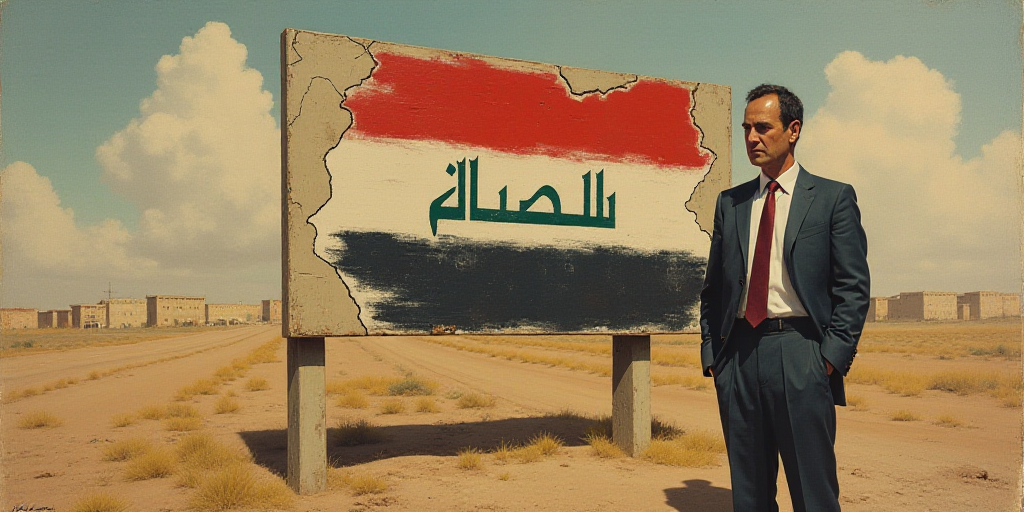
Background on Donald Trump and His Relevance
Donald J. Trump served as the 45th President of the United States from January 20, 2017, to January 20, 2021. Known for his business background and reality TV fame, Trump’s presidency was marked by controversial policies and decisions. His administration’s approach to international relations, particularly with countries like Iran, significantly impacted global politics.
Trump’s Statements on Iran
During a press briefing on Thursday, President Trump expressed his hope that military force would not be necessary in dealing with Iran. He mentioned the strengthening of U.S. military capabilities during his first term and the current deployment of a “powerful group” heading towards Iran.
Trump’s Stance on Negotiations
When questioned about ongoing or future negotiations with Iran, Trump confirmed his intention to engage in discussions. He stated, “I have had and am planning to have conversations. Yes, we have many large and powerful ships currently en route to Iran, and it would be great if we didn’t have to use them.”
Context and Impact on International Relations
The tension between the United States and Iran has historical roots, with the U.S. withdrawal from the Joint Comprehensive Plan of Action (JCPOA) or Iran nuclear deal in 2018 under Trump’s administration exacerbating the situation. The U.S. reimposed sanctions on Iran, leading to increased hostility and mistrust between the two nations.
Trump’s comments reflect a delicate balancing act: maintaining a firm stance against Iran’s regional activities while seeking diplomatic solutions to prevent further escalation. His administration’s “maximum pressure” campaign aimed to compel Iran to renegotiate the nuclear deal on more stringent terms for the U.S.
The current situation is influenced by various factors, including Iran’s gradual reduction of compliance with the remaining parts of the JCPOA in response to U.S. sanctions, as well as regional proxy conflicts and the assassination of Iranian military leader Qasem Soleimani by a U.S. drone strike in January 2020.
Key Questions and Answers
- Q: What is the current state of U.S.-Iran relations?
A: Tensions remain high due to the U.S. withdrawal from the Iran nuclear deal, reimposed sanctions, and regional conflicts. Both nations have shown a willingness to engage in dialogue while maintaining a firm stance against each other’s actions.
- Q: How has Trump’s administration approached Iran?
A: The Trump administration pursued a “maximum pressure” campaign, reimposing sanctions and seeking to compel Iran into renegotiating the nuclear deal on more stringent terms for the U.S.
- Q: What are the potential consequences of using military force against Iran?
A: The use of military force could lead to increased hostility, regional instability, and potential casualties. It may also jeopardize diplomatic efforts and further strain U.S.-Iran relations.
- Q: Why is Iran relevant in the context of U.S. foreign policy?
A: Iran’s strategic location, significant oil reserves, and regional influence make it a critical player in Middle Eastern politics. Its nuclear program and support for regional proxies have also drawn international attention and concern.




