
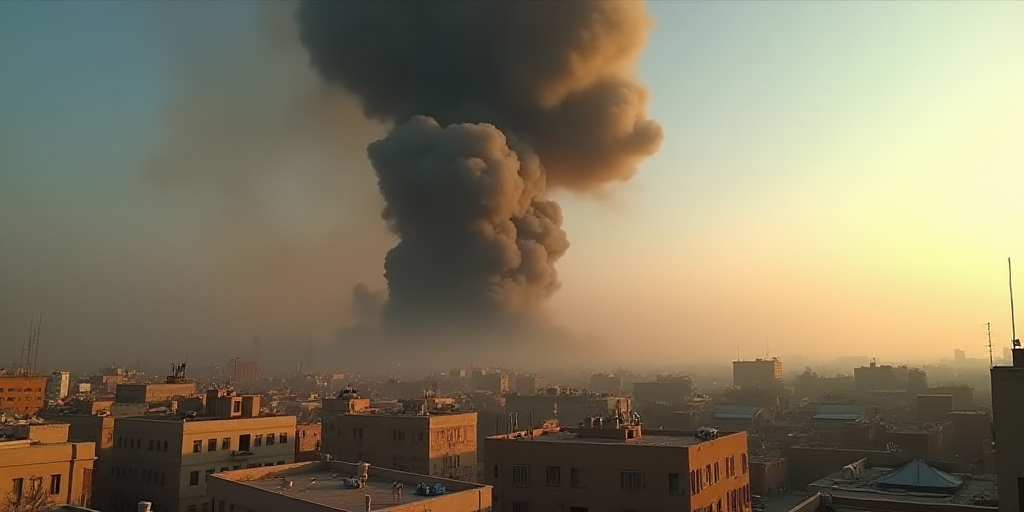
Background on the Situation
The recent escalation in violence between Israel and Palestine has led to a surge in fatalities in the Gaza Strip. On Saturday, at least 32 people lost their lives due to Israeli airstrikes, as reported by the Gaza-based civil defense organization. This tragic development comes just hours before the partial reopening of the Rafah border crossing, a crucial point of entry and exit for both people and goods between Gaza and Egypt.
Key Players Involved
Israel and Hamas, the de facto governing authority in Gaza, have been engaged in a longstanding conflict. The current situation stems from tensions over blocked goods at the Kerem Shalom border crossing and rocket fire from Gaza into Israeli territory. The international community, including the United Nations and various countries, has been actively seeking a ceasefire to prevent further loss of life.
Impact on the Local Population
The recent airstrikes have had a devastating impact on the local population in Gaza. With limited access to essential resources, the already fragile situation has worsened. Hospitals are overwhelmed with casualties, and the ongoing violence has disrupted daily life for countless residents. The partial reopening of Rafah border crossing offers a glimmer of hope for humanitarian aid and supplies, but the risk of further attacks looms large.
Key Questions and Answers
- Who is responsible for the airstrikes in Gaza? The Israeli military, citing security concerns and rocket fire from Gaza, has conducted airstrikes targeting Hamas and other militant groups in the region.
- What is the significance of the Rafah border crossing? The Rafah crossing is a vital link between Gaza and Egypt, facilitating the movement of people and goods. Its partial reopening is intended to alleviate some of the humanitarian crisis in Gaza.
- How has the conflict affected the local population? The ongoing violence has resulted in numerous civilian casualties, strained healthcare systems, and disrupted daily life for Gaza’s residents. The partial reopening of Rafah offers some hope for humanitarian aid, but the risk of further attacks remains.




