
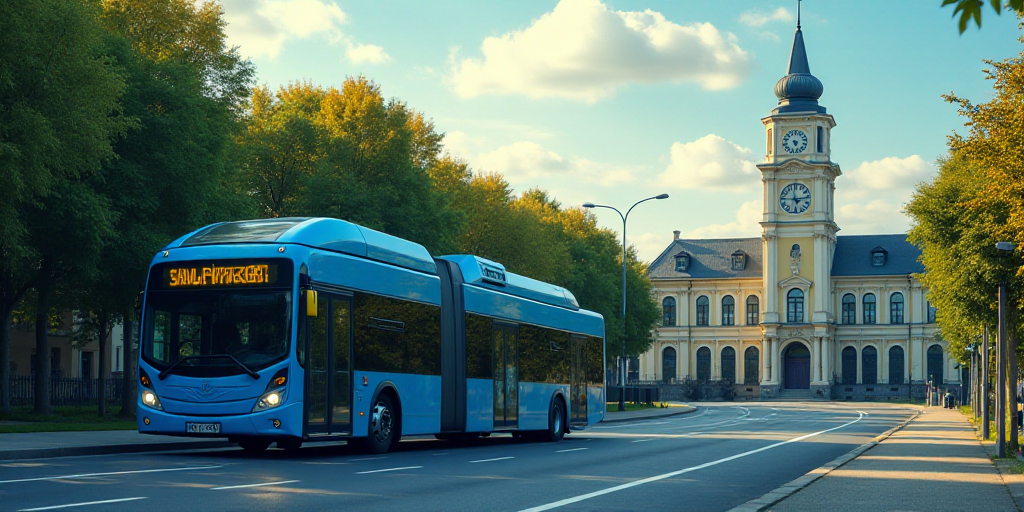
Background on the Tram Drivers and UAM
Tram drivers, represented by the ATM (Alianza de Tramway Motorizados), are considering a strike to demand better wages and working conditions. The UAM (Unión de Asociaciones de Tramway y Metro), on the other hand, is responsible for negotiating with the city’s transport authorities to ensure smooth operations.
The ATM’s Demands
The ATM is pushing for a 16.5% direct increase in wages to elevate the dignity of tram drivers’ work. Moreover, they insist that this wage hike should extend to pensions of retired tram drivers and have retroactive effect from January 21, 2026.
UAM’s Role and Negotiations
The UAM has been actively negotiating with the city’s transport authorities to avoid a strike that could severely disrupt public transportation. Their efforts have led to an agreement, averting the looming lockout.
Impact on Commuters and the City
A tram drivers’ strike would significantly affect daily commuters and the city’s public transport system. With over 100 tram lines serving millions of passengers each day, any disruption could lead to traffic congestion and increased travel times.
- Key Question: How would a strike impact daily commuters?
- Answer: A tram drivers’ strike would cause severe disruptions for daily commuters, leading to longer travel times, overcrowded alternative transport options, and potential traffic congestion.
- Key Question: What are the potential economic impacts on the city?
- Answer: The city could experience decreased productivity due to longer commute times, increased transportation costs for businesses, and potential losses in tourism if people avoid traveling to the city.
Who are the Tram Drivers and their Relevance?
Tram drivers play a crucial role in the city’s public transportation system, serving millions of passengers daily across more than 100 tram lines. Their work is essential for maintaining mobility and accessibility within the urban landscape.
The ATM, representing these drivers, aims to improve their working conditions and wages. Their demands reflect the need for better compensation and recognition of their vital role in the city’s transportation infrastructure.
Historical Context and Previous Negotiations
In the past, tram drivers’ unions have engaged in numerous negotiations with transport authorities to secure better wages and working conditions. These past events highlight the ongoing struggle for fair compensation and the importance of maintaining a stable public transport system.
The current situation underscores the need for continuous dialogue between unions and authorities to ensure that public transport remains efficient, reliable, and accessible for all city residents.
Future Implications
Should the tram drivers’ strike proceed, it could set a precedent for future labor disputes within the public transport sector. This situation emphasizes the importance of addressing workers’ concerns proactively to prevent disruptions in essential services.
The successful negotiation between the UAM and transport authorities in averting this strike demonstrates the value of open communication channels and collaborative problem-solving.




