
Background on Key Figures and Relevance
Mark Carney, the Prime Minister of Canada, recently visited Beijing and announced a new agreement with China that allows for the importation of up to 49,000 Chinese electric vehicles under China’s National Favored Nation (NFN) tariff of 6.1%. This move has drawn criticism from Howard Lutnick, the U.S. Secretary of Commerce, who believes that this decision significantly weakens Canada’s negotiating position with the United States.
Lutnick’s Criticism of the China Agreement
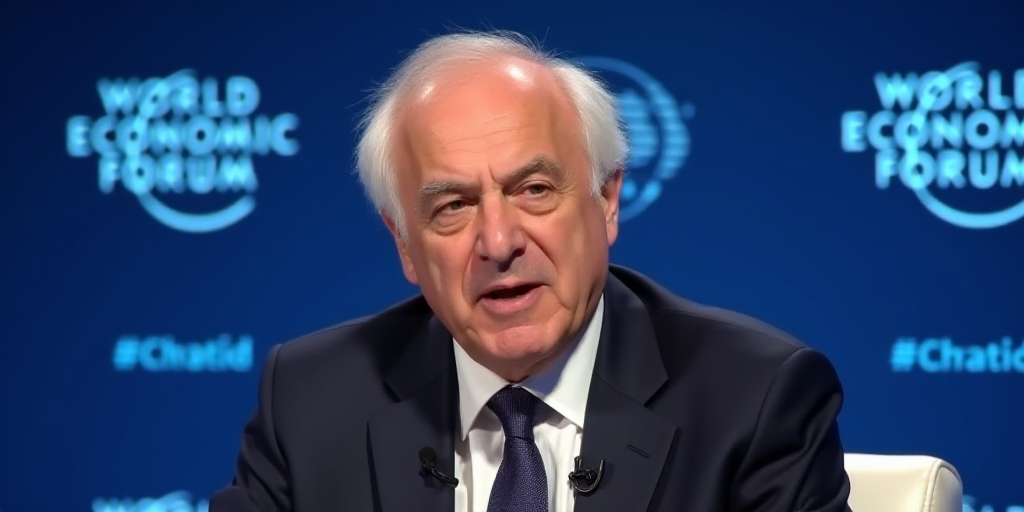
In an interview with Bloomberg TV during the World Economic Forum in Davos, Switzerland, Lutnick expressed skepticism about China opening its economy to Canadian exports. He described Carney’s agreement as “absurd” and questioned whether China would genuinely accept Canadian exports.
“Do you think China is going to open its economy to accept Canadian exports? That’s the most ridiculous thing I’ve ever seen,” Lutnick stated, emphasizing his belief that Canada’s actions are misguided.
Canada-U.S. Trade Talks and Carney’s China Visit
On December 18, Carney announced that Canada and the United States would begin mid-January talks to revise the T-MEC (Transpacific Trade Agreement). Dominic LeBlanc, Canada’s trade representative, would initiate formal discussions with his U.S. counterpart, Jamieson Greer.
During his Beijing trip, Carney negotiated an agreement with Chinese President Xi Jinping. This deal included granting China a quota for importing Canadian electric vehicles in exchange for reducing the retaliatory tariff on Canadian canola imports from 85% to approximately 15% by March 1.
Impact on Trade and Tariffs
Previously, Canada imposed a 100% tariff on all electric vehicles from China, aligning with the U.S. tariff policy. Now, following Carney’s negotiation, Canada will allow up to 49,000 Chinese electric vehicles with a gradual increase to 70,000 by the fifth year. This reverts to pre-tariff levels observed in 2023.
Currently, the U.S. imposes a 100% tariff on electric vehicles from China, while the European Union applies a base tariff of 10% on automobiles from around the world, with additional variable rates depending on manufacturers such as BYD (approximately 17%), Geely (19-20%), and SAIC (up to 38%).
Lutnick’s Perspective on Carney’s Trade Strategy
Lutnick dismissed Carney’s recent efforts to strengthen trade relations with China as mere “political noise.” He warned that such maneuvers could increase the risk of these actions influencing the T-MEC revision process, potentially causing friction between Canada and the U.S.
“Canada is just thinking arrogantly,” Lutnick commented on Carney’s approach, suggesting that the Prime Minister’s stance lacks practicality.
Key Questions and Answers
- What is the main criticism against Canada’s recent China agreement? Howard Lutnick, U.S. Secretary of Commerce, believes that the agreement weakens Canada’s negotiating position with the United States and questions China’s genuine acceptance of Canadian exports.
- What tariff changes were agreed upon between Canada and China? China reduced its retaliatory tariff on Canadian canola imports from 85% to approximately 15%, while Canada agreed to increase the import quota for Chinese electric vehicles.
- How do other countries compare their tariffs on automobiles to Canada’s previous and new policies? The U.S. imposes a 100% tariff on electric vehicles from China, while the European Union applies a base tariff of 10% with additional variable rates depending on manufacturers. Canada previously had a 100% tariff, now adjusted to allow gradual increases in Chinese electric vehicle imports.
- What is Lutnick’s opinion on Carney’s trade strategy? Lutnick views Carney’s efforts to strengthen ties with China as misguided “political noise” that could negatively impact the T-MEC revision process with the United States.




