
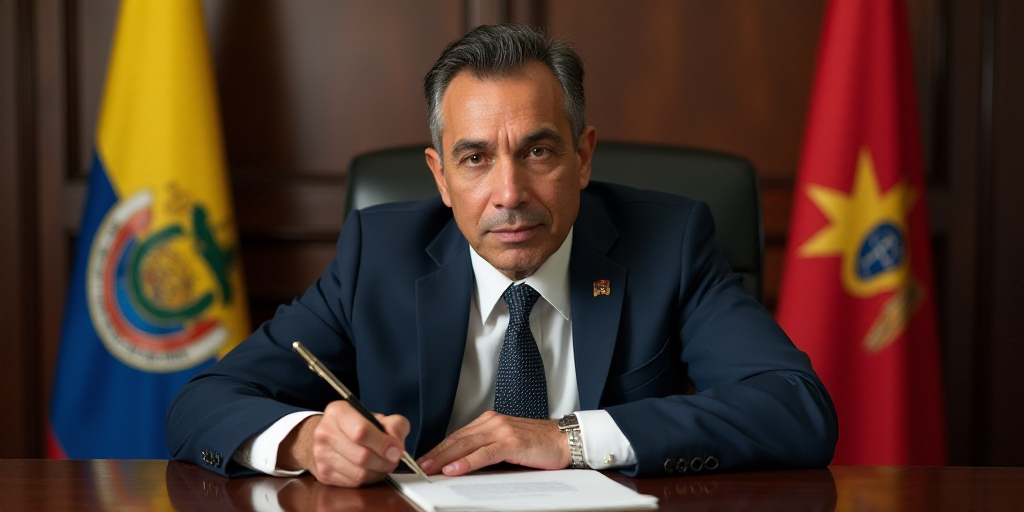
Background on Marath Bolaños and His Relevance
Marath Bolaños, the Secretary of Labor and Social Security (STPS), has been instrumental in addressing the legal status of digital platform workers in Mexico. His recent statements highlight the successful completion of a pilot program that brought clarity, profiles, and regulations to a sector long operating in legal informality.
Pilot Program’s Achievements
The pilot program, as per Bolaños, achieved its primary objective of quantifying and categorizing the digital platform workforce. With approximately 950,000 individuals engaged in various degrees of interaction with digital applications, the pilot program provided crucial insights into the diverse labor connections.
Diverse Labor Connections
Bolaños explained that the digital workforce is not homogenous, comprising sporadic connectors, supplementary income earners, and those whose primary source of livelihood is this activity. This understanding led to a tiered rights scheme, preserving the financial viability of the social security system while acknowledging the digital model’s reality.
Full Coverage of Social Security
The pilot program identified over 206,000 individuals who met the income and connection time thresholds for full social security coverage. Bolaños emphasized that these workers, forming the most stable sector, needed IMSS and Infonavit benefits on par with formal workers.
Impact on Businesses and Platform Operations
Contrary to initial apprehensions, the pilot program implementation did not reduce job opportunities or significantly affect platform operations. Bolaños asserted that extending rights does not necessitate dismantling the business model, emphasizing the compatibility of flexibility and social protection.
Future Steps: Inspection and Legal Adjustments
With the experimental phase concluded, STPS will transition from a facilitative role to active inspection functions, focusing on registered contracts at the Federal Center for Labor Mediation and Registration. Bolaños stressed ensuring practical compliance with established regulations.
Minimum Workplace Safety Coverage
Bolaños underscored the importance of immediate workplace risk coverage, even for those not achieving full social security status. He acknowledged that digital environment oversight would require technological tools and inter-institutional coordination.
Upcoming Legal Reforms
Bolaños anticipated the next step would involve revising the Social Security Law to provide lasting legal certainty to the new scheme. He highlighted that the pilot program had already furnished technical and operational elements, now requiring translation into law.
Key Questions and Answers
- What was the primary goal of the pilot program? The main objective was to quantify, categorize, and regulate the digital platform workforce that had long operated in legal informality.
- How many individuals were part of the pilot program? Approximately 950,000 individuals were engaged in various degrees of interaction with digital applications.
- What did the pilot program reveal about the digital workforce? The program uncovered diverse labor connections, including sporadic connectors, supplementary income earners, and those whose primary source of livelihood is digital platform work.
- How many individuals achieved full social security coverage? Over 206,000 individuals met the income and connection time thresholds for full social security coverage.
- Did the pilot program negatively impact businesses or platform operations? No, contrary to initial fears, the program did not reduce job opportunities or significantly affect platform operations.
- What are the future steps following the pilot program? STPS will transition from a facilitative role to active inspection functions, focusing on registered contracts. Legal reforms to the Social Security Law are also anticipated.




