
Introduction to Pemex and its Recent Progress
Petróleos Mexicanos (Pemex), Mexico’s state-owned petroleum company, has seen a 3.4% annual increase in crude processing levels, reaching an average of 976,812 barrels per day from January to September 2025. This improvement is largely attributed to the operation of the Dos Bocas refinery, despite some declines in crude processing at other Pemex refineries.
Refinery Capacity Utilization and Historical Context
According to the latest statistics, Pemex utilized 49.3% of its total installed capacity of 1.980 billion barrels per day for crude processing across its seven refineries in the National Refining System. This represents a slight increase from 47.7% during the same period in 2024.
However, if we compare crude processing levels in 2025 to those before the shift in energy policy, there has been a 51% increase. Previously, due to lack of maintenance, the national crude processing level had dropped to 647,110 barrels per day, using only 39% of the then-available capacity of 1.640 million barrels per day, excluding the new Dos Bocas refinery.
The Success of the Dos Bocas Refinery
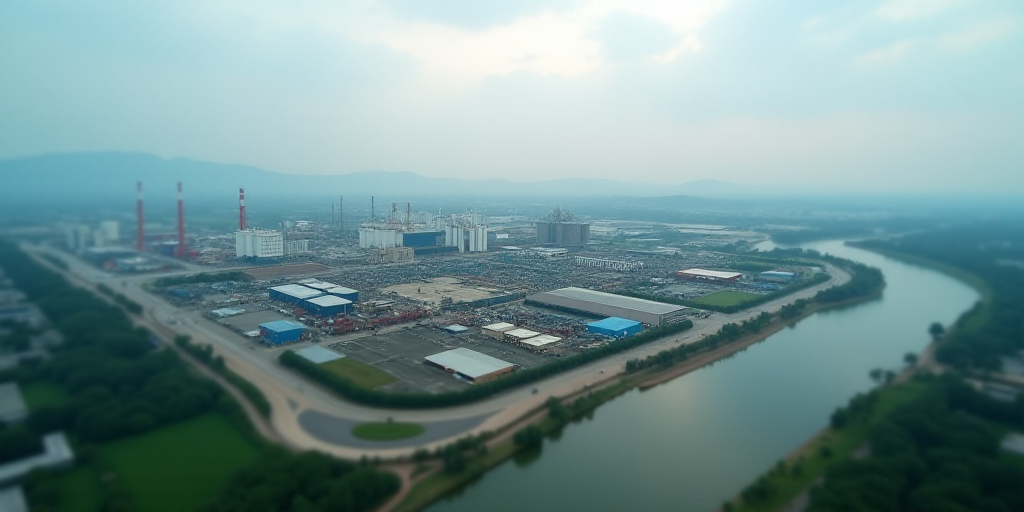
Located near the Tabasco port of Dos Bocas, the Olmeca refinery in Paraíso, Tabasco, processed an average of 109,417 barrels per day from January to September 2025. This marks a significant increase of 5.7 times its operational level in 2024, when it processed an average of 19,628 barrels per day during the relevant six-month period.
Pemex has reported five consecutive months with the Olmeca refinery processing over 100,000 barrels per day. In September 2025, the refinery processed a record 194,874 barrels per day—46% more than the previous month—utilizing 57% of its projected capacity of 340,000 barrels per day.
The Dos Bocas refinery has been instrumental in raising the crude processing volume across Pemex’s interior refineries. Compared to traditional refineries, crude processing increased by 6.3% annually; however, with the new plant, the average utilization of these six refineries stands at 53%.
Despite this progress, crude processing volumes remain below the targets announced with investments aimed at modernizing this system.
Refineries with Declines
Among the refineries, only Tula in Hidalgo showed an annual increase of 9.7% in crude processing, reaching 207,492 barrels per day. The other five refineries experienced declines:
- Cadereyta in Nuevo León saw a 4.1% decrease, processing an average of 140,483 barrels per day.
- Madero in Tamaulipas reduced its operation by 15% annually, processing 99,013 barrels per day.
- Minatitlán in Veracruz experienced a 19% drop, averaging 99,560 barrels per day.
- Salamanca in Guanajuato decreased by 8%, processing 122,672 barrels per day.
- Salina Cruz in Oaxaca reported an 8.5% annual reduction, processing 198,175 barrels per day.
Key Questions and Answers
- What is Pemex and why is it important? Petróleos Mexicanos (Pemex) is Mexico’s state-owned petroleum company, responsible for exploration, production, and refining of oil and gas. Its performance impacts Mexico’s energy security and economic stability.
- What role does the Dos Bocas refinery play in Pemex’s operations? The Dos Bocas refinery has significantly boosted Pemex’s crude processing capacity, contributing to an overall increase in refinery utilization and helping to reverse previous declines at other facilities.
- Why are some refineries experiencing declines despite overall progress? Despite the positive trends at Dos Bocas and the Olmeca refinery, some traditional Pemex refineries have experienced declines due to various factors such as maintenance issues and operational challenges.




