
Background on the Situation
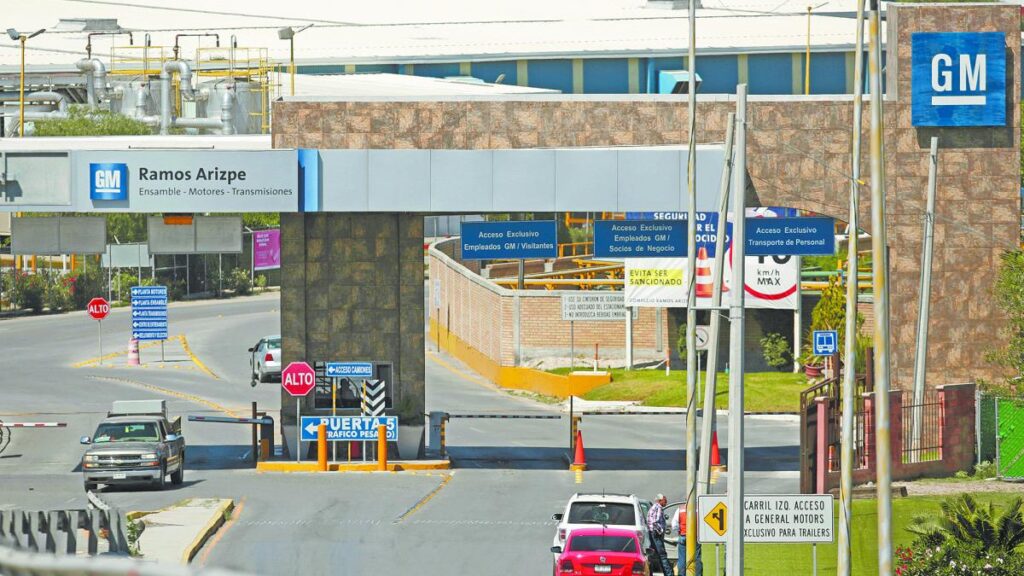
The National Union “Carlos Leone,” holding the Certificate of Representation at General Motors’ plant in San Luis Potosí, is on the verge of signing its first Collective Bargaining Agreement (CBA). This agreement, stemming from a 26-point demand list, is considered a historic milestone for the nearly 6,400 unionized workers.
Key Points of the Agreement
After intense negotiations, the union and General Motors reached an accord that not only enhances economic conditions but also introduces a unique national clause to safeguard employment against the growing automation and artificial intelligence (AI) in the automotive industry.
- Wage Increase: The agreement includes a direct 6% salary increase for all grades in the pay scale, along with an additional 6% raise on 12 benefits, resulting in a total economic impact of 12%.
- Specific Benefits: The dominial premium has increased from 25% to 28%, and over a hundred workers (106) will benefit from reclassification into higher-paying categories.
The contract’s short six-month validity will enable a new negotiation in April, an unprecedented event in the plant’s history. This will allow workers to enjoy three salary increases within less than a year.
AI Protection Clause
The most innovative aspect of the CBA, according to General Secretary Carlos Islas, is the clause addressing technology and AI implementation. Unlike the Federal Labor Law, which only mandates severance pay and additional compensation in case of workforce replacement by technology, the union proposed a commission to analyze any automation with the primary goal of ensuring active staff retention.
The strategy includes reassigning workers to new areas, training them for high-specialty categories, and enabling them to manage and implement new machinery and robots.
Negotiation Background
The negotiation’s origin traces back to the representation consultation that legitimized the National Union “Carlos Leone.” The union’s primary tool to compel General Motors into negotiations was the strike threat for the initial CBA signing.
Although the original strike deadline was extended to November 30 to exhaust the CBA voting process, the union maintains the strike threat as a simultaneous procedure to ensure the negotiation’s conclusion.
It is worth noting that the National Union “Carlos Leone” is part of an independent federation comprising 11 unions and approximately 26,000 workers nationwide.
Key Questions and Answers
- What is the significance of this new CBA? This agreement marks a historic milestone for nearly 6,400 unionized workers at General Motors’ San Luis Potosí plant, enhancing economic conditions and introducing a unique national clause to protect employment against automation and AI.
- What are the key components of this agreement? The CBA includes a 6% direct salary increase, an additional 6% raise on 12 benefits, increased dominical premiums, and reclassification for over a hundred workers into higher-paying categories. The short six-month contract duration allows for three salary increases in less than a year.
- How does this agreement address AI and automation concerns? The CBA introduces a unique national clause to protect employment against growing automation and AI in the automotive industry. The union proposed a commission to analyze any automation, ensuring active staff retention through reassignment, training, and enabling workers to manage new machinery and robots.
- What is the role of the National Union “Carlos Leone”? The union, part of an independent federation representing 26,000 workers nationwide, played a crucial role in negotiating this CBA. Their primary tool was the strike threat, which compelled General Motors to engage in negotiations.




