
Strengthening Mexico’s Agricultural Export Sector
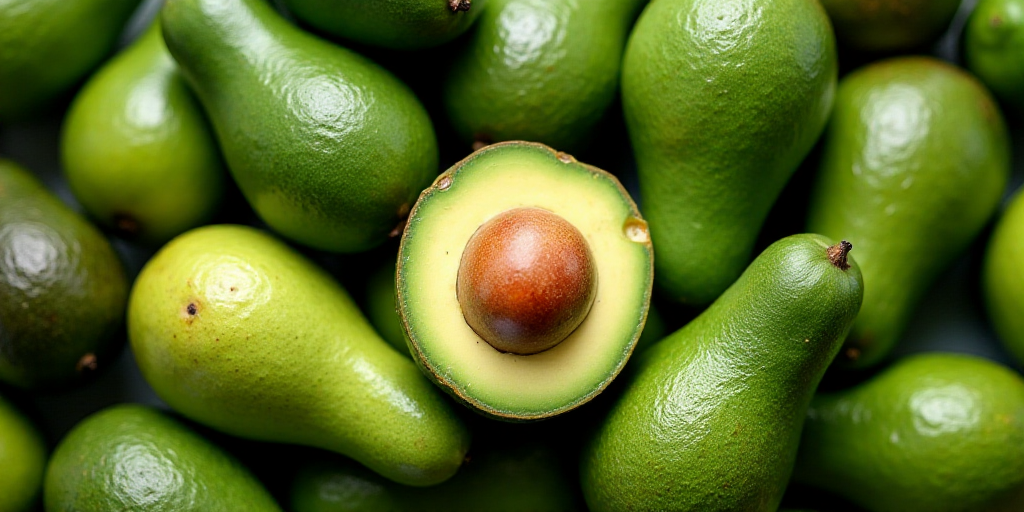
The Mexican federal government has taken a significant step to link the performance of Mexico’s agricultural export sector with formal employment, by recently introducing the Agroexportation Labor Certification for avocados and moving parallel to design a similar scheme for the berry sector, two of Mexico’s most valuable and internationally exposed agricultural products.
The New Labor Certification for Avocados
Alongside the VELAGRO platform, the primary objective of this labor certification mechanism for avocados is to ensure that each export shipment is backed by formal employment and respect for the labor rights of day workers.
Secretary of Labor and Social Prevision, Marath Bolaños López, emphasized that the certification aims to send a clear signal to international markets. “Let the world be certain that behind every export is dignified work, social security, and a future for day workers,” she stated during the presentation.
The scheme will start with hass avocados and gradually expand to other agricultural products, including berries. Recent working group meetings between STPS (Secretariat of Labor and Social Prevision), SADER (Secretariat of Agriculture and Rural Development), and IMSS (Mexican Social Security Institute) have begun outlining the labor certification for berries. The government’s goal is to ensure that, by the end of the six-year term, all agricultural export products have a labor verification mechanism.
For avocados, the certification will validate that labor used in each shipment is IMSS-affiliated, establishing a direct link between exported volume and formal employment. Starting April 1st, packers must register their operations on the VELAGRO platform and request the corresponding certification, though a six-month transition period will allow for adaptation without halting exports.
IMSS Strengthens Health Infrastructure in Michoacán
In complementary measures, the IMSS announced plans to bolster health infrastructure in Michoacán to support the expected rise in labor formalization, including constructing a new hospital in Villas del Pedregal and a new Family Medicine Unit, reinforcing the comprehensive approach of the policy.
Berries Move Towards Labor Certification
Mexico is the world’s third-largest exporter of berries, generating over 3.8 billion USD in revenue and employing approximately 470,000 people. The labor certification for this sector aims to address historical lags in seasonal employment formalization and strengthen labor traceability for exports amid increasing international scrutiny.
Authorities have highlighted that both certifications provide a strategic advantage against increasingly demanding international markets, especially concerning T-MEC (Mexico-United States-Canada Agreement) reviews. In this context, agricultural employment formalization transitions from a social policy to a crucial component of the country’s competitiveness and trade defense.
Key Questions and Answers
- What is the purpose of the new labor certification for avocados and berries? The primary goal is to ensure that each export shipment is backed by formal employment and respect for labor rights, providing a strategic advantage in increasingly demanding international markets.
- Which products are covered by this initiative? The initial focus is on avocados (hass variety) and will expand to other agricultural products, including berries.
- What are the benefits of this labor certification for Mexico’s agricultural export sector? It strengthens competitiveness, ensures traceability, and promotes social security access for fieldworkers, setting a new standard for Mexico’s agroexportation.
- What measures is the IMSS taking to support this initiative? The IMSS is strengthening health infrastructure in key agricultural regions, such as Michoacán, by constructing new hospitals and family medicine units.




