
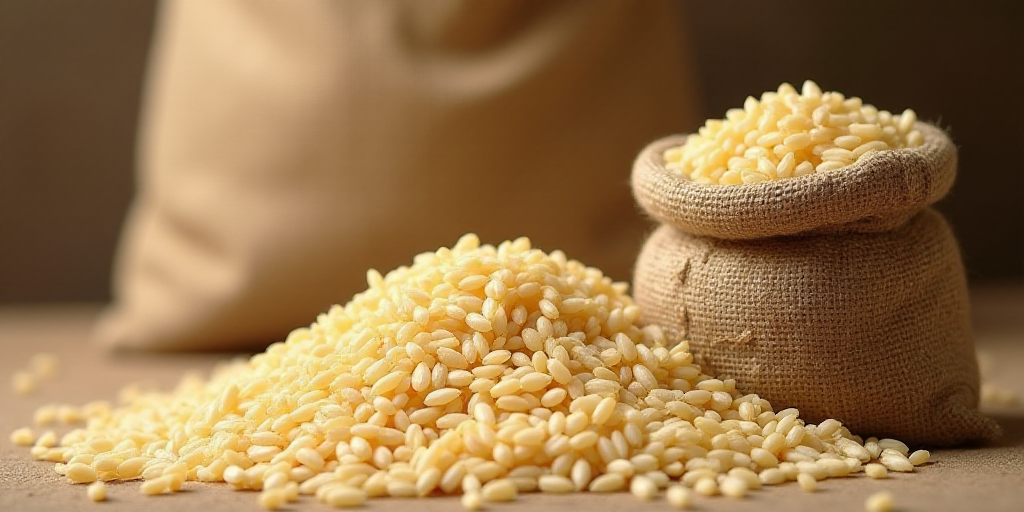
Introduction to the Import Quotas
Mexico has opened import quotas for rice and pork, as well as beef from cattle and pigs, according to three agreements published by the Secretariat of Economy on Monday.
Details of the Agreements
- Up to 200,000 tonnes of rice
- 70,000 tonnes of beef
- 51,000 tonnes of pork
These quotas will allow imports from countries without existing trade agreements. The new regulations will take effect starting Tuesday and were published in the Diario Oficial de la Federación (DOF).
Rationale Behind the Quotas
The Secretariat of Economy explained that the beef quota addresses recent market trends and aims to supplement domestic consumption without hindering internal production or excessively increasing reliance on external sources.
The 70,000 tonnes allocated correspond to the average annual beef imports from Brazil in 2024 and the estimated closing of trade in 2025, valid until December 31, 2026. This ensures a balance between external supply and domestic production while maintaining competitive product prices.
Historical Context of Beef and Pork Imports
From 2020 to 2024, national apparent consumption of beef was primarily covered by domestic production, with an average of 92.9%. Imports accounted for only 7.1% of demand.
However, in 2024, import participation rose to 9.2% of apparent national consumption due to a 37.6% increase in imported volumes compared to 2023, raising the import dependency coefficient from 7.1% to 9.3%. This trend continued in 2025, reaching 11.8%.
During this period (2020-2024), beef imports mainly came from the USA, Brazil, Nicaragua, and Canada. In 2025, Brazil became the primary beef supplier, highlighting the need to diversify and manage external sourcing more systematically.
Beef is the third most consumed animal protein in Mexico, demanded by both end consumers and carnivore businesses and processors. The Secretariat of Economy considers it necessary to have mechanisms that complement domestic supply and foster market competition.
Pork Imports and Domestic Production
Mexico’s pork production is insufficient to meet domestic consumption, necessitating imports to satisfy internal demand and balance the market. From 2020 to 2024, 43.2% of apparent national consumption was covered by imports, while 56.8% came from domestic production.
During this period, pork imports mainly originated from the USA and Canada, accounting for over 80% of total imports. This underscores the need to diversify external sourcing.
Pork is the second most consumed animal protein in Mexico, after chicken, and is demanded by both end consumers and carnivore businesses and processors. Thus, it’s crucial to have mechanisms that complement domestic supply and promote market competition.
Rice Import Quotas
The final quota pertains to “other types of rice,” excluding rice from the state of Morelos.
According to the Secretariat of Agriculture and Rural Development’s crop and harvest advance information, Mexico’s national production of paddy rice by October 2025 was 105,825 tonnes, a 0.7% decrease from the same period in 2024.
Historically, national rice production has been insufficient to meet domestic consumption. In 2024, 84% of available offerings were imports of paddy and polished rice. Most paddy rice imports fell under tariff category 1006.10.99, primarily sourced from the USA. In 2025, there was greater diversification in origin countries.
The Secretariat of Economy argues that alternative sourcing is necessary to complement domestic rice consumption without inhibiting national production. Mexico has phytosanitary requirements for importing paddy rice from Brazil, the USA, Guyana, and Uruguay, ensuring a complementary, non-inhibiting import volume.
Key Questions and Answers
- What products are subject to the new import quotas? Rice, beef (cattle), and pork.
- What are the maximum import quantities? 200,000 tonnes of rice, 70,000 tonnes of beef, and 51,000 tonnes of pork.
- Which countries can these imports come from? Countries without existing trade agreements with Mexico.
- Why were these quotas established? To complement domestic consumption, maintain a balance between external supply and production, and ensure competitive product prices.
- Why are pork and beef import quotas necessary? Domestic production is insufficient to meet demand, necessitating imports to balance the market.
- What is the historical context of rice imports? Rice production has historically been insufficient, with 84% of available offerings being imports in 2024.




