
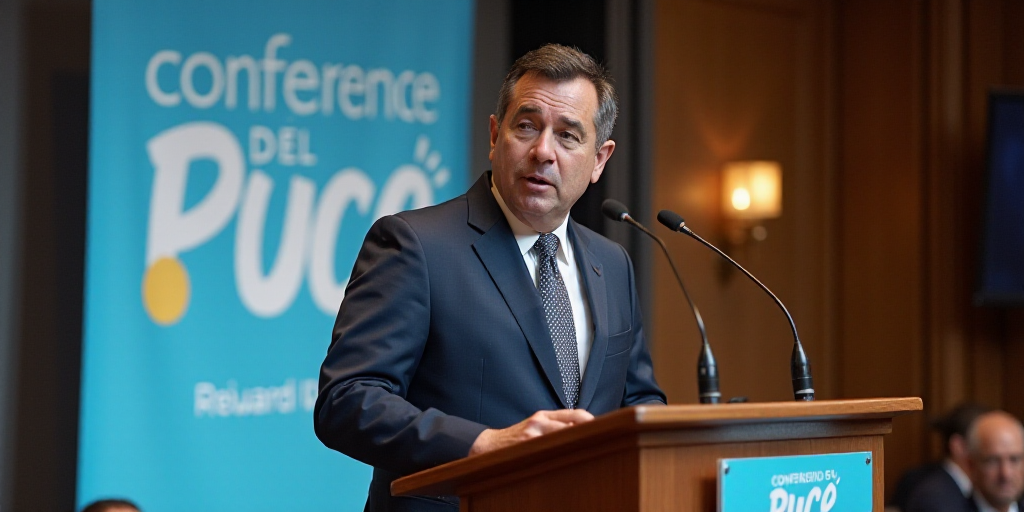
Background on Marcelo Ebrard and His Role
Marcelo Ebrard, Mexico’s Secretary of Economy, has been at the forefront of shaping the country’s economic policies. With a background in politics and extensive experience in public service, Ebrard has been instrumental in navigating Mexico’s complex trade relationships. His recent announcement regarding new tariffs on imported automobiles from China highlights his commitment to protecting Mexico’s domestic market and industry.
Understanding the New Tariff Measures
Ebrard announced that Mexico will impose tariffs ranging from 10% to 50% on 1,463 product classifications originating from countries without existing trade agreements. This move aims to level the playing field with China, which has long imposed significant tariffs on Mexican exports. The maximum tariff rates allowed by the World Trade Organization (WTO) will be implemented, affecting approximately 20% of Mexico’s imports from China.
Contextualizing China’s Trade Policies
China has maintained numerous restrictions, such as health measures, that limit Mexican exports of primary goods. These actions are not viewed as aggressive by Mexico, but they have created an uneven playing field in international trade. Other countries with geopolitical or pragmatic relationships with China, like Brazil and Turkey, have also implemented tariffs on Chinese automobile imports.
Mexico’s Trade Imbalance with China
In 2024, Mexico experienced a record trade deficit in the automotive sector with China, reaching $5.068 billion. Mexican exports to China plummeted to $262 million, the lowest figure since 2010. Meanwhile, Chinese automobile imports to Mexico soared to $5.332 billion, more than double the 2022 figure. This imbalance has solidified China’s position as Mexico’s primary external automotive supplier, increasing the country’s dependence on this strategic sector.
Ebrard’s Diplomatic Efforts
Ebrard emphasized that the new tariffs aim to safeguard Mexico’s domestic market and adhere to WTO norms, not as a geopolitical move. He plans to meet with China’s ambassador to Mexico, Chen Daojiang, alongside other diplomats to discuss these adjustments. His statements came after a Chinese Commerce Ministry spokesperson urged Mexico to exercise extreme caution before making any tariff adjustments.
China’s Response to Mexico’s Tariff Measures
In response, China has expressed opposition to unilateralism, protectionism, and discriminatory measures. The Chinese government stated it will take necessary actions to protect its legitimate rights and interests based on real circumstances.
Key Questions and Answers
- What is the purpose of Mexico’s new tariffs? The primary goal is to create a more balanced trade environment with China by protecting Mexico’s domestic market and adhering to WTO regulations.
- Which countries are affected by these tariffs? The new tariffs will impact 20% of Mexico’s imports from China, along with other countries without existing trade agreements, such as Corea del Sur, India, Indonesia, Rusia, Tailandia, and Turquía.
- How has China reacted to Mexico’s tariff measures? China has expressed opposition to unilateralism, protectionism, and discriminatory measures. They have stated that they will take necessary actions to protect their legitimate rights and interests based on real circumstances.
- Why is Mexico implementing these tariffs now? The trade imbalance between Mexico and China in the automotive sector, along with China’s existing restrictive trade policies, prompted Mexico to take action to safeguard its domestic market.




